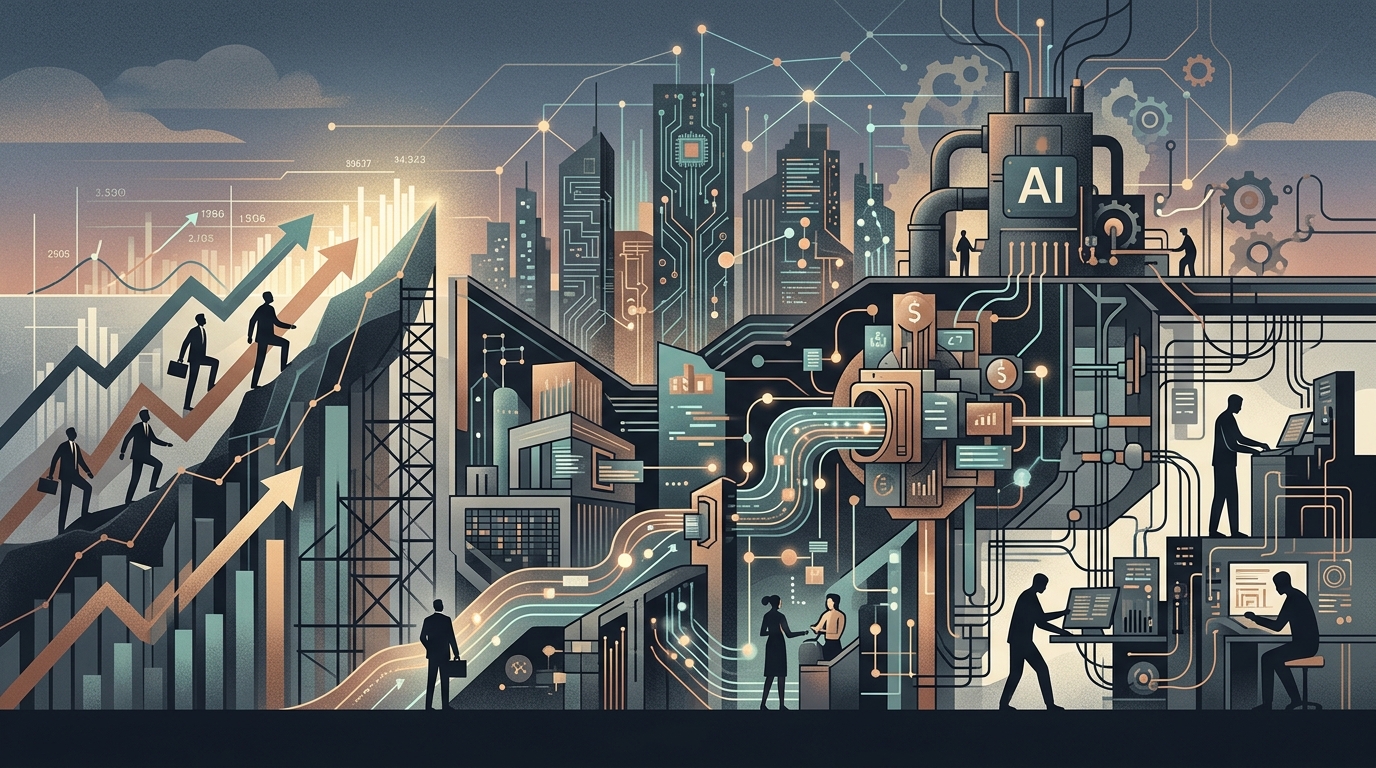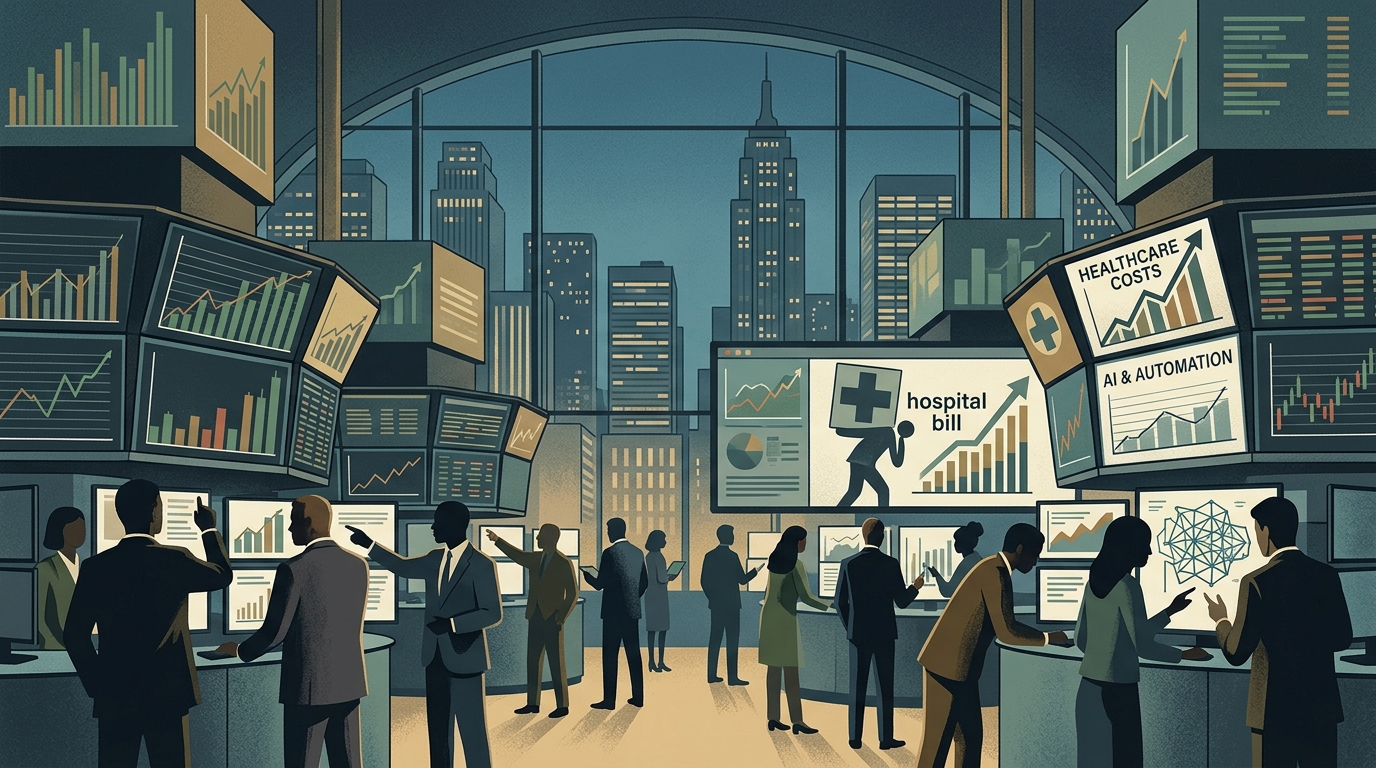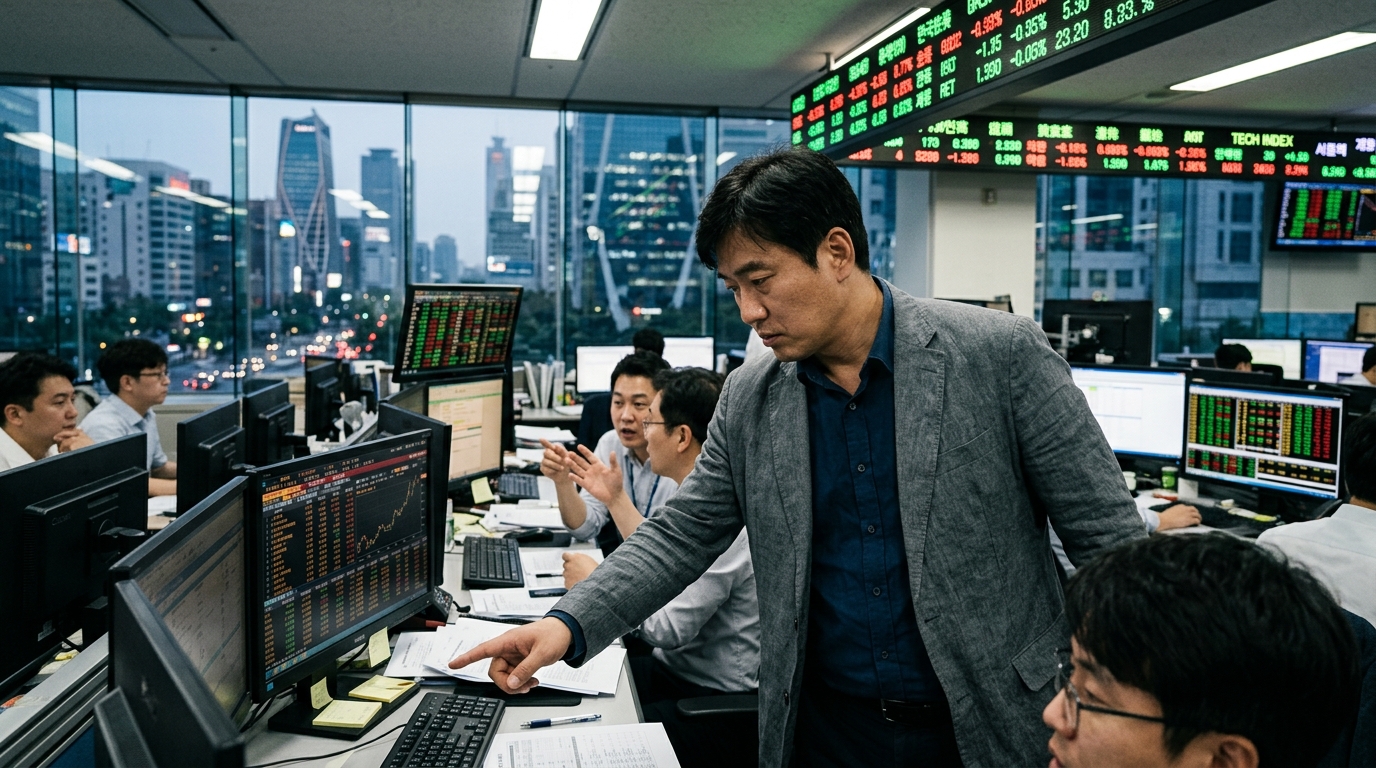
At the heart of the global technological revolution, South Korea and Taiwan are experiencing a paradoxical reality. While their national champions, such as TSMC and SK Hynix, post record profits driven by the insatiable demand for AI chips, the social fabric of these nations is fraying under an unprecedented cost-of-living crisis and widening inequality. The "AI miracle" appears to be functioning as a mechanism for wealth concentration at the top, leaving the majority of the population to grapple with inflation and job insecurity.
Semiconductor Hegemony and the Profit Chasm
Taiwan and South Korea serve as the pillars of the global semiconductor supply chain. Without TSMC’s advanced nodes or the High Bandwidth Memory (HBM) from SK Hynix and Samsung, the AI revolution would come to a grinding halt. This strategic importance has translated into astronomical profits. For the first half of 2026, the valuations of these companies have soared, fueled by massive orders from giants like Nvidia and Microsoft.
However, this prosperity remains largely confined within the walls of high-tech industrial parks. In Taiwan, while GDP grows at rates envied by the West, real wages for 70% of workers have remained stagnant for a decade. The concentration of capital in the semiconductor sector has led to a form of "Dutch Disease," where the success of one industry absorbs resources and drives up living costs, adversely affecting low-tech manufacturing and the service sector.
- TSMC now controls over 90% of the world's most advanced chip production.
- SK Hynix saw operating profits jump 400% year-on-year due to AI demand.
- Real estate prices in Taipei and Seoul have made homeownership an impossible dream for those under 35.
K-Shaped Growth and the Cost-of-Living Crisis
Analysts describe the situation as a "K-shaped" recovery. On the upper arm of the K are the shareholders and specialized engineers of tech firms, enjoying bonuses that often exceed their annual salaries. On the lower arm is the majority of citizens, facing skyrocketing prices for food and energy. In South Korea, the phenomenon of the "Hell Joseon generation"—a term coined by the youth to describe social injustice—has returned with a vengeance.
"AI is not just creating new tools. It is redistributing power and wealth in a way that our democratic institutions are not prepared to handle," says a Professor of Sociology at Seoul National University.
Social tension is fueled by the sense that the sacrifices of previous generations to build these technological empires are no longer rewarded with social mobility. Young Taiwanese, despite being highly educated, often find themselves in low-skilled service jobs, as high-tech positions are limited and hyper-competitive.
Social Unrest and the Demographic Crisis
This inequality has direct demographic consequences. South Korea holds the grim world record for the lowest fertility rate, which has plummeted below 0.7. Taiwan follows closely behind. Economic insecurity and the cost of raising children, combined with the "996" work culture (9 a.m. to 9 p.m., 6 days a week) prevalent in the tech sector, discourage family formation.
Governments in Seoul and Taipei are attempting to respond with subsidies and tax incentives, but these measures are often seen as "aspirins for a cancer," as critics put it. Anger is increasingly directed at governments accused of being too close to the large conglomerates (the Chaebols in South Korea). Recent strikes in the transport and service sectors are just the tip of the iceberg of a deeper social malaise.
The Redistribution Challenge and the Future of Work
The urgent question now is whether an "AI tax" or a windfall tax on semiconductor profits should be implemented to fund the social safety net. In Taiwan, there is a heated debate over a chip export levy to support low-wage earners. However, there is a lingering fear that such a move could undermine corporate competitiveness in a critical geopolitical sector.
As AI automates more processes, the risk of further widening the gap grows. If this technology replaces middle-class jobs without creating equivalent new opportunities with fair pay, social tensions in East Asia could evolve into political instability. South Korea and Taiwan serve as the "laboratory" for what is likely to happen to the rest of the developed world as AI becomes fully integrated into the global economy.