For years, the prevailing narrative in Silicon Valley was that China was hopelessly behind in the generative AI race. Export controls on high-end semiconductors from the US, combined with Beijing’s strict domestic censorship, were seen as insurmountable hurdles. However, as of June 2026, the global technological landscape is in a state of shock. The gap is not just closing; in several critical domains, it has effectively vanished.
The Rise of New Titans: DeepSeek and Alibaba
The recent release of models such as DeepSeek-V3 and Alibaba Cloud’s Qwen 2.5 series has fundamentally shifted the benchmarks. These systems are no longer mere "clones" of Western architectures. Instead, they demonstrate remarkable proficiency in complex mathematics and software engineering—fields where OpenAI and Anthropic were previously considered untouchable. Independent benchmarks now show DeepSeek-V3 competing neck-and-neck with GPT-4o in creative tasks while significantly outperforming it in cost-efficiency.
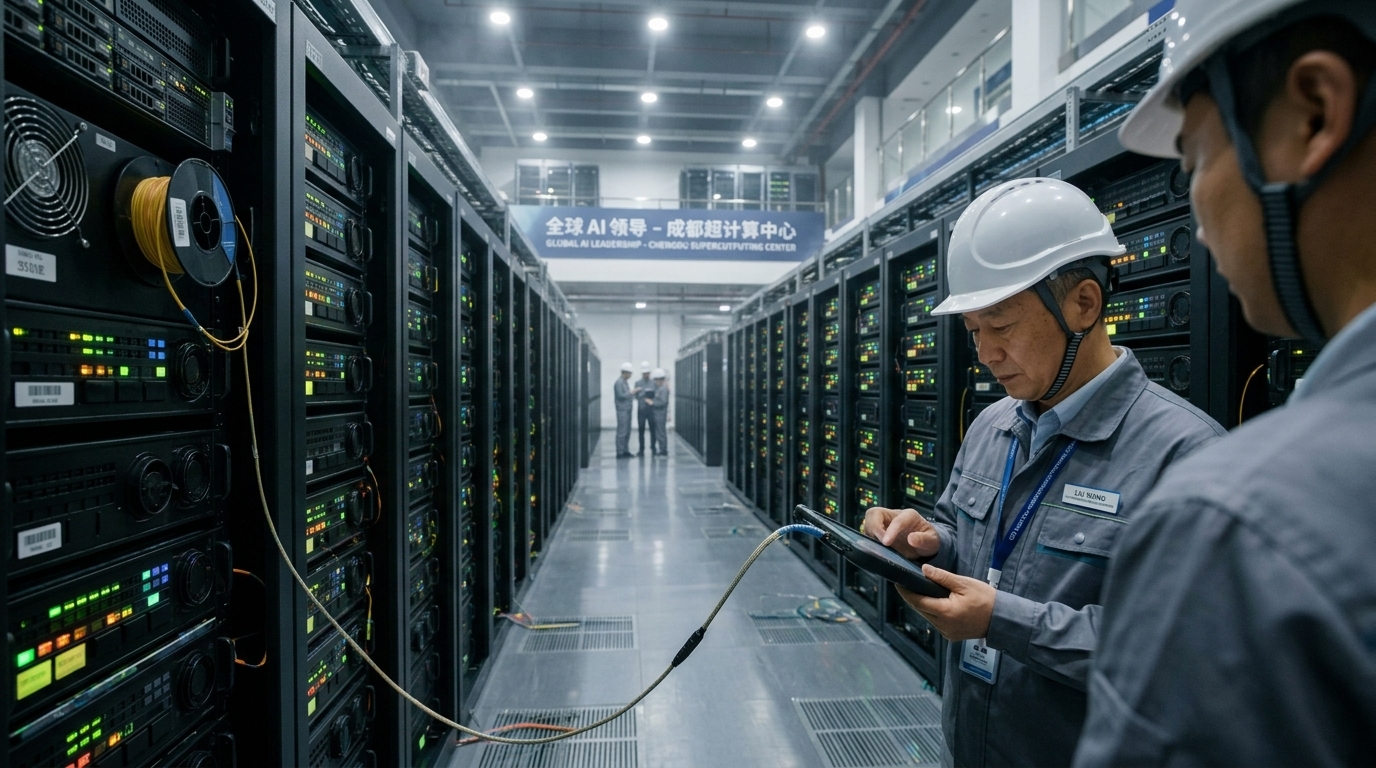
What is most striking is not just the performance, but the methodology. Chinese researchers, deprived of the thousands of NVIDIA B200 processors available to American giants, have pivoted toward algorithmic optimization. By utilizing techniques like "Mixture-of-Experts" (MoE) and sophisticated knowledge distillation, they have successfully trained high-performance models using a fraction of the computational power required in the West. This represents a strategic victory of ingenuity over the "brute force" data approach favored by Silicon Valley.
Geopolitical Implications and the Sanctions Paradox
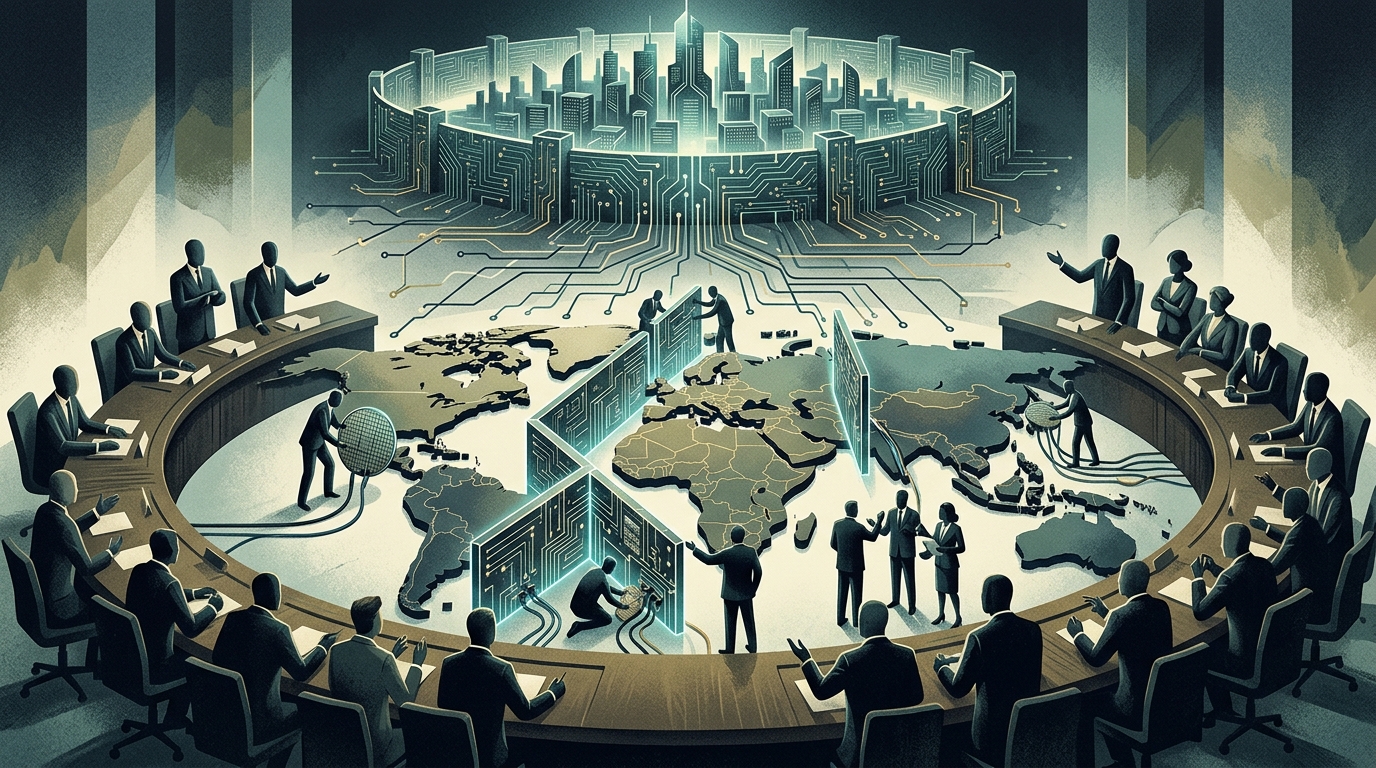
Washington is watching with growing unease. The policy of creating a "silicon curtain" appears to have triggered the opposite of its intended effect. Rather than crippling Chinese innovation, it has forced it to become more resilient and self-reliant. Beijing has funneled billions into domestic AI accelerators, and while firms like SMIC and Huawei still lag behind TSMC in raw hardware specs, the deficit is being bridged by superior software orchestration.
"The history of technology teaches us that isolating a powerful adversary often accelerates their internal development and breakthroughs," notes a leading international relations analyst.
Furthermore, China is leveraging Open Source movements with masterful precision. By releasing high-quality open-weight models, they are enabling thousands of startups across Asia and Europe to build on Chinese foundations. This is shifting the center of gravity of the global AI ecosystem away from San Francisco, creating a new form of "digital diplomacy" where Beijing offers technological autonomy to nations wary of American monopolies.
Challenges and the Future of Global Competition
Despite this progress, China's path is not without friction. The requirement for political alignment—ensuring models adhere to Communist Party guidelines—remains a constraining factor. An AI that must "self-censor" on sensitive historical or political topics may lose some of its creative edge compared to its more uninhibited Western counterparts. However, in scientific, industrial, and technical applications, this limitation is virtually negligible.
OpenAI and Anthropic are now under immense pressure to prove that their next major leaps (the rumored GPT-5 or Claude 4) will be radical enough to restore their lead. If progress in the West begins to hit a plateau of diminishing returns, then convergence becomes inevitable. 2026 marks the beginning of a multipolar AI era, where innovation no longer speaks only English, but Mandarin as well.
- Algorithmic efficiency is neutralizing the hardware gap created by US sanctions.
- Open Source strategy is becoming China's primary tool for global soft power.
- The West must re-evaluate whether isolationist policies are still effective.
In conclusion, the gap closed because China stopped trying to run the same race as the US and decided to take a shortcut through software innovation. The global AI market is now a battlefield of equals, a development that may accelerate technological progress overall, provided we can avoid a total and permanent digital fragmentation of the world.