The global economy stands on the precipice of a transformation that many analysts compare to the advent of electricity or the steam engine. Artificial Intelligence (AI), once a niche field of experimentation in Silicon Valley labs, has evolved into the primary engine of stock market growth and corporate strategy. According to recent analyses, the AI market is not merely a technological "bubble," but a profound structural shift affecting every facet of the production process, from supply chains to executive decision-making.
The Investment Tsunami and Infrastructure Dominance
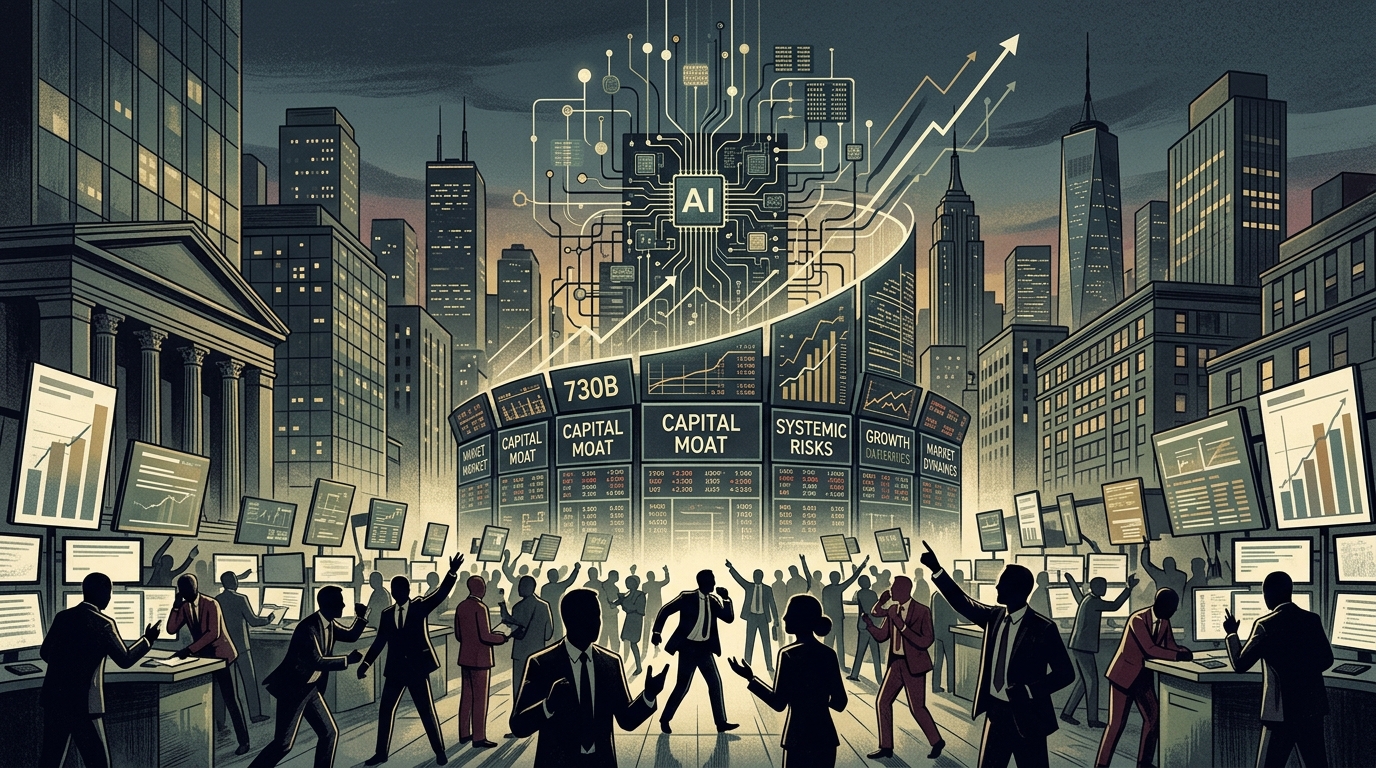
The years 2024 and 2025 have been marked by an unprecedented mobilization of capital. Tech giants, known as "Hyperscalers" (Microsoft, Alphabet, Amazon, Meta), have committed hundreds of billions of dollars in capital expenditure (CapEx) centered on AI. The demand for processing power has propelled Nvidia and other semiconductor manufacturers to historic highs, creating a new hierarchy in the global market. However, investment is not limited to software. We are witnessing a massive pivot toward physical infrastructure: data centers that require vast amounts of energy, leading to a parallel renaissance in the energy sector and renewable sources.
This AI "arms race" has a direct impact on the GDP of developed economies. Goldman Sachs estimates that the widespread adoption of Generative AI could boost global GDP by 7% over a decade. This growth stems primarily from the automation of tasks previously considered the exclusive domain of human intellect, allowing workers to focus on higher-value-added activities.
Productivity: The Holy Grail of Growth
The biggest bet on AI is solving the "productivity puzzle" that has haunted the West for two decades. Despite technological progress, productivity growth rates remained stagnant. AI promises to change this through "intelligent automation." In the services sector, the use of AI assistants reduces the processing time for administrative tasks by 30-40%. In heavy industry, predictive maintenance through algorithms reduces operating costs and losses due to downtime.
However, the transition is not without friction. Automation brings with it the fear of "structural unemployment." While technology historically creates more jobs than it destroys, the speed of the current change is unprecedented. Governments are called upon to invest heavily in workforce reskilling, as the skills required in the labor market are now changing in cycles of less than five years.
The Geopolitics of AI and Europe's Role
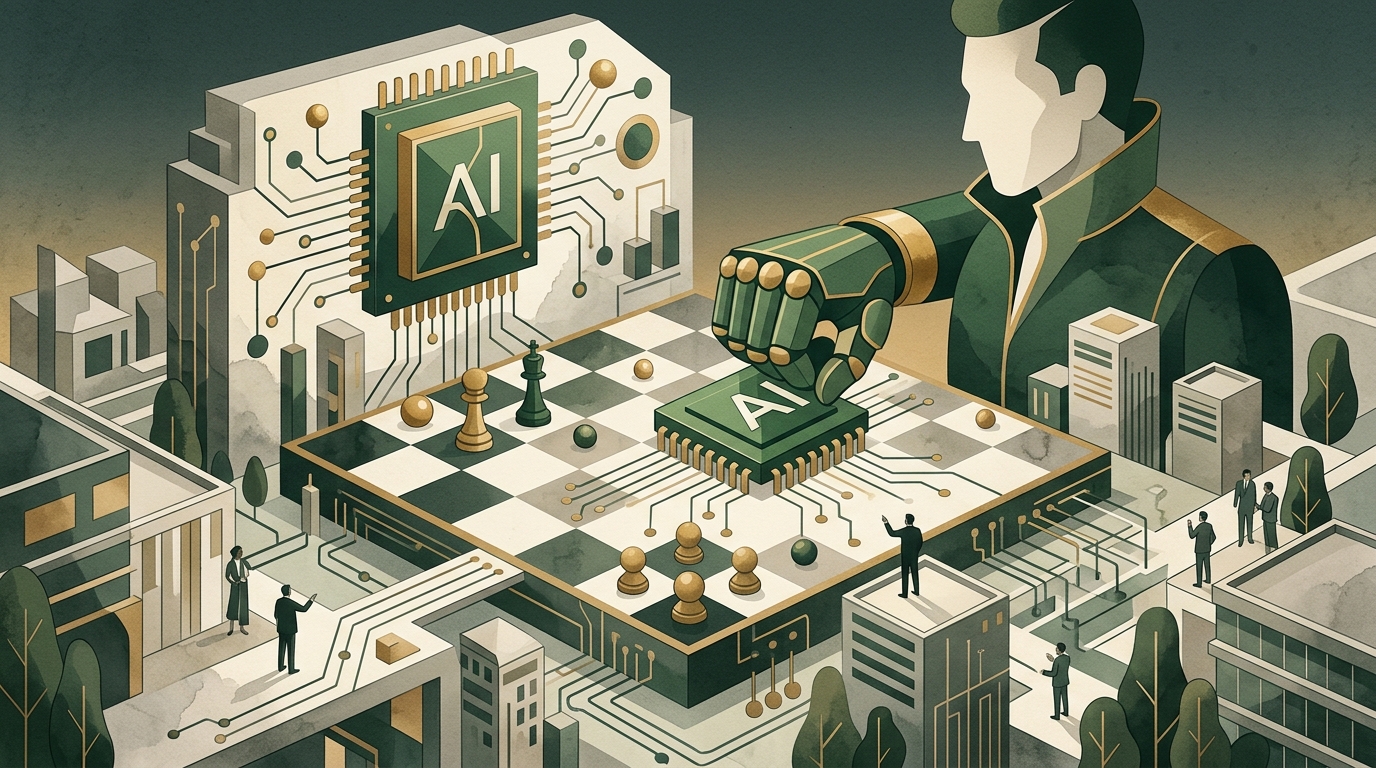
The AI economy is not just a matter of profitability, but also of power. The US and China lead the race, with Europe attempting to find its own place through regulation and data protection. The EU AI Act represents the first comprehensive legal framework globally, seeking to balance innovation with ethics. For smaller economies, the challenge is twofold: adopting AI can help digitize the state and boost the competitiveness of small and medium-sized enterprises, provided there is the necessary infrastructure in networks and talent.
"AI will not replace humans, but humans who use AI will replace those who do not," market analysts frequently remark, highlighting the need for immediate adaptation.
In conclusion, the explosion of the AI market marks the beginning of a new economic cycle. The investments being made today will determine the winners and losers of the next twenty years. Success will depend on whether increased productivity translates into prosperity for society as a whole or leads to a further widening of economic inequalities.