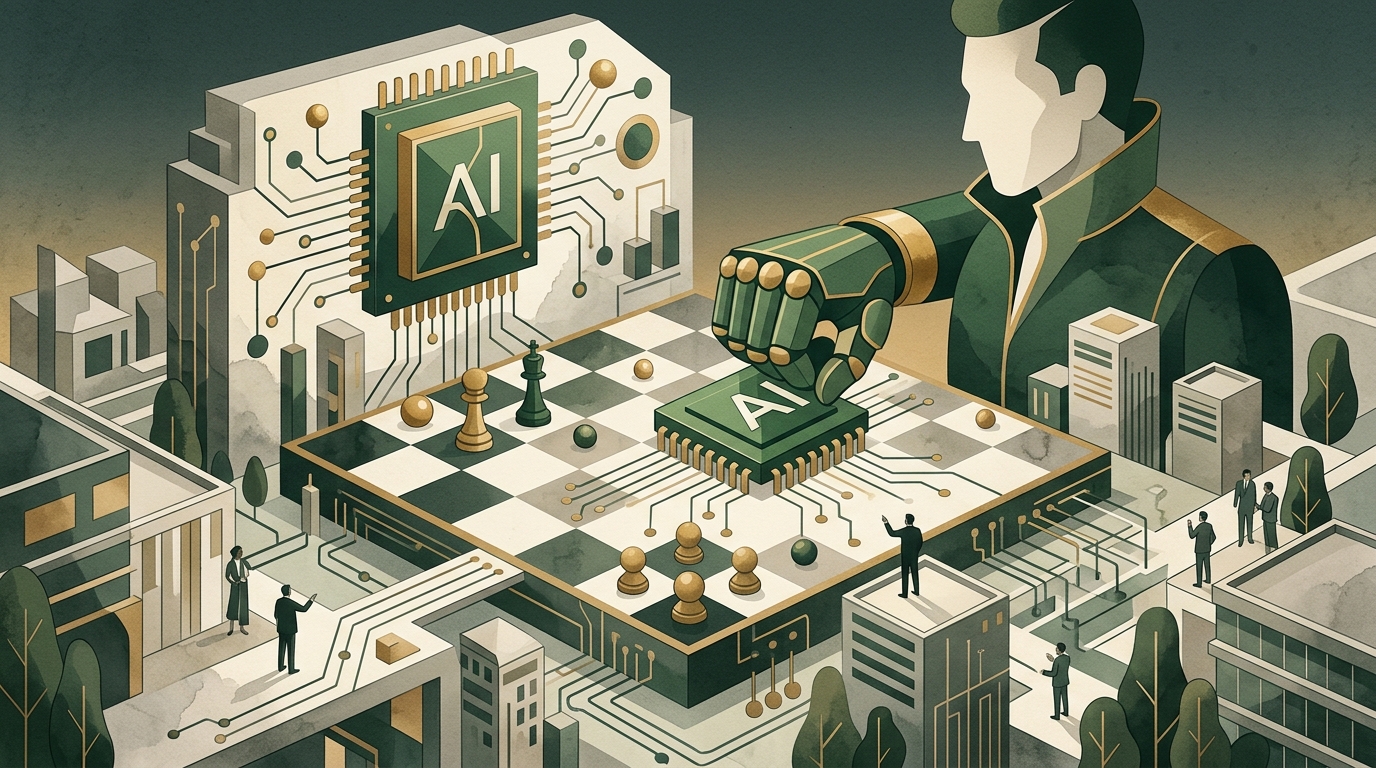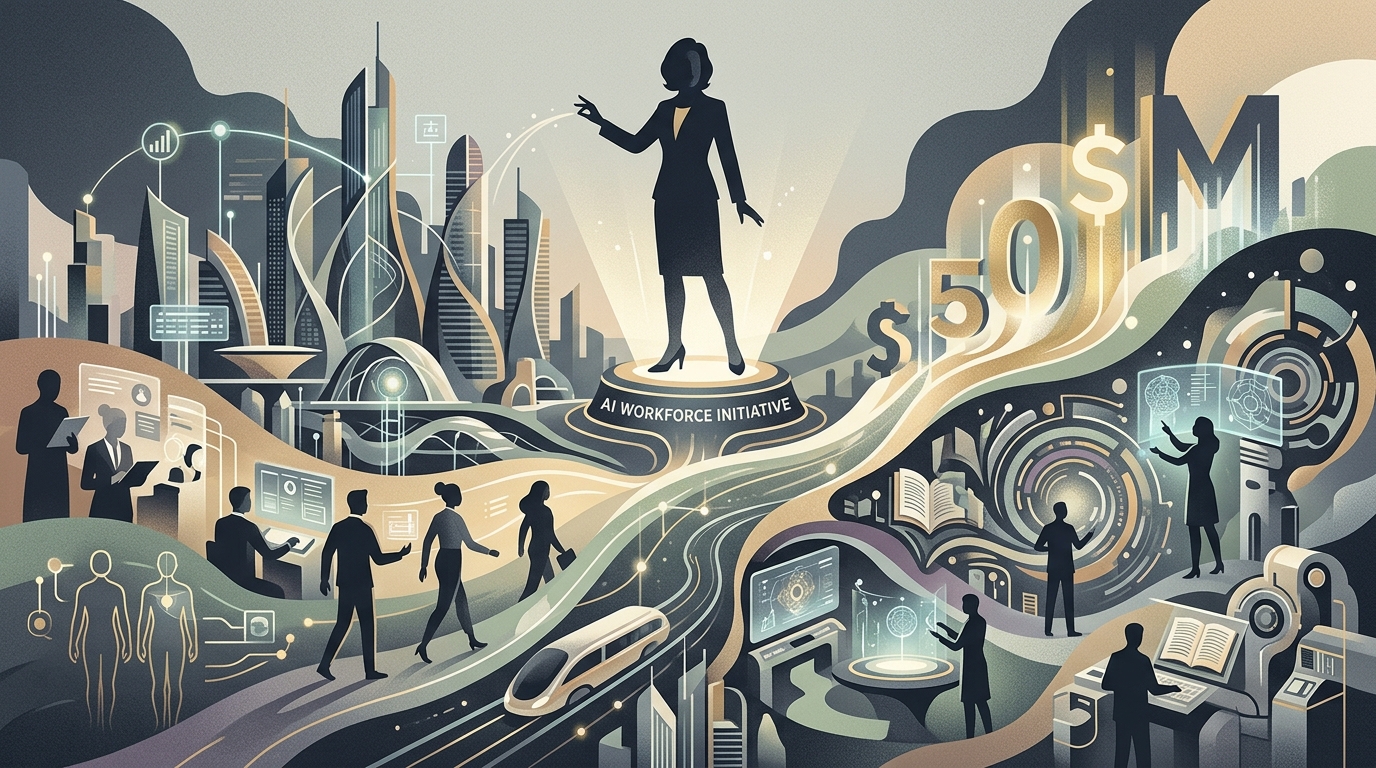
As we navigate the mid-point of 2026, the promise of Artificial Intelligence to deliver unprecedented productivity is being met with the stark reality of widespread labor displacement. At this critical juncture, Gina Raimondo, one of the Democratic Party’s most formidable figures and former Secretary of Commerce, has announced the co-founding of "Raise US." With an initial war chest of $500 million, the organization aims to act as a seismic barrier against the coming "earthquake" that threatens to upend the foundations of the American and global labor markets.
An Existential Threat to Democracy
Raimondo is not pulling any punches. In a recent briefing, she emphasized that the scale of unemployment potentially triggered by unbridled AI adoption is not merely an economic metric, but a direct threat to social cohesion and democratic governance. When millions of citizens feel that technology has rendered them obsolete, resentment and desperation often curdle into political instability. Having overseen the implementation of the CHIPS Act, Raimondo understands better than most that technological supremacy without social safeguards is a recipe for systemic collapse.
"Raise US" is not just another non-profit. It is designed as a high-level strategic partnership between the public and private sectors, aiming to redefine the very concept of vocational training. Moving away from traditional bootcamps that often prove insufficient, the organization proposes a model of "dynamic retraining"—an approach that adapts in real-time to the shifting requirements of the emerging AI-driven economy.
Economic Transformation and the Middle Class
Analysis from the Raise US think-tank suggests that the jobs most at risk are no longer confined to the factory floor. White-collar roles—from legal research and accounting to software engineering—are facing the most significant disruption. The $500 million fund will be deployed across three primary pillars: direct subsidies for training programs in hardest-hit communities, the development of an AI-powered skill-matching platform, and aggressive policy advocacy to compel tech giants to reinvest a portion of their automation-driven profits into human capital development.
- Investment in regional innovation hubs to retrain workers over the age of 45.
- Partnerships with Big Tech to certify new specialized roles that complement AI.
- Development of a "digital safety net" for those in career transitions.
Raimondo argues that if the government and the private sector fail to act now, the divide between the "AI elite" and the rest of the population will become unbridgeable. This move is also seen by political analysts as a strategic positioning for a potential future presidential run, placing her at the center of the issue that will likely dominate elections for the next decade: the survival of the middle class in the age of algorithms.
Critique and Challenges
However, skepticism remains regarding whether $500 million is enough to turn the tide. In a multi-trillion dollar economy, this amount can seem like a drop in the ocean. Critics from the progressive wing of the Democratic Party argue that what is needed is a radical redistribution of wealth and Universal Basic Income (UBI), rather than retraining programs that might only delay the inevitable. Conversely, free-market skeptics worry that such initiatives represent a form of state-managed capitalism that could stifle the very innovation it seeks to humanize.
"We cannot stop progress, but we can ensure that progress does not leave behind a hollowed-out society," Raimondo stated during the launch event.
The success of Raise US will ultimately depend on its ability to convince corporations that social stability is in their long-term financial interest. In a world where AI can perform technical tasks with superhuman efficiency, human value must be redefined—shifting away from raw output and toward creativity, empathy, and complex strategic oversight. The battle for the future of work has truly begun, and Gina Raimondo has positioned herself on the front lines.