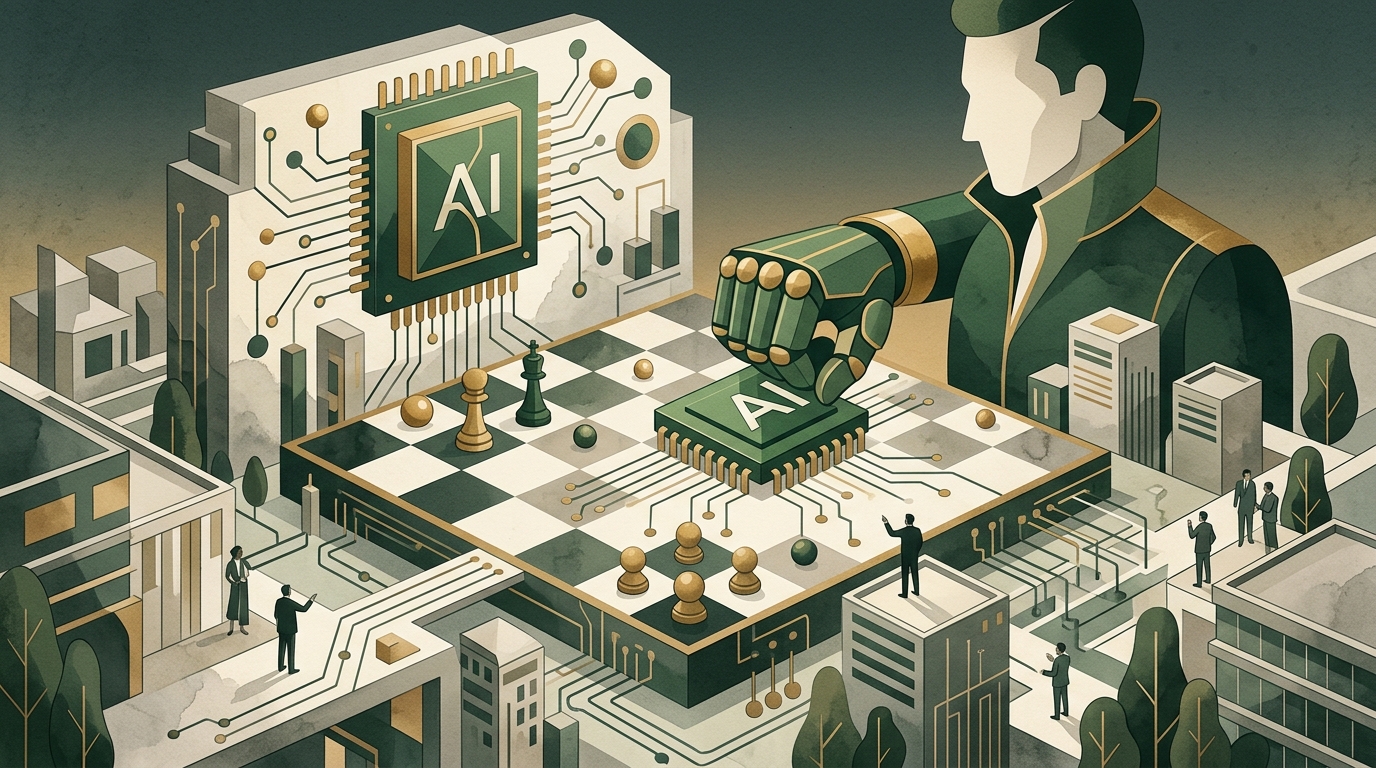
The promise was seductive: instantaneous support, 24/7 availability, no more waiting on hold, and a dramatic reduction in overhead costs for corporations. However, the reality of 2026 is proving to be far more friction-filled and, for the average consumer, deeply frustrating. Recent data analysis reveals a startling trend: over 90% of customer reviews mentioning Artificial Intelligence (AI) services express negative experiences. The chasm between corporate ambition and user reality has never been wider.
The Efficiency Illusion and the 'Bot-Loop'
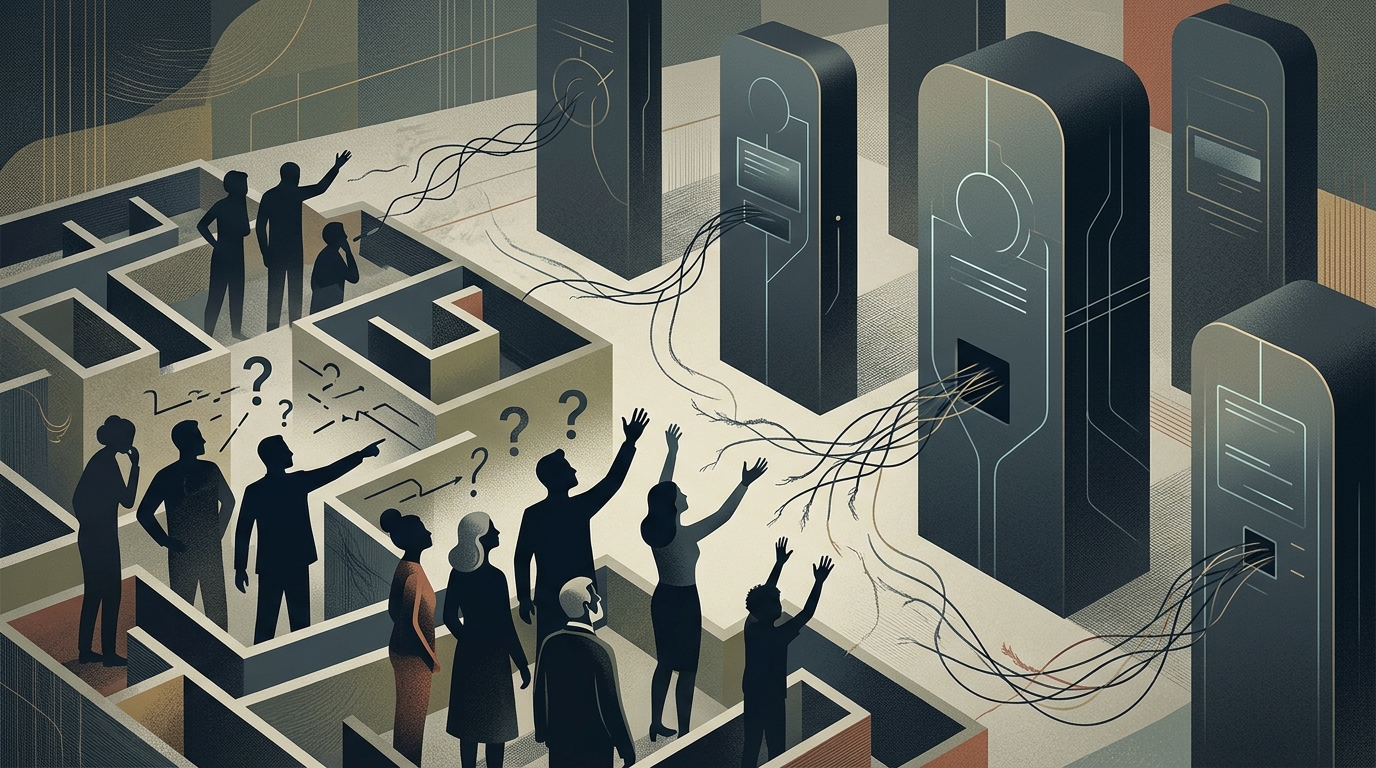
Enterprises worldwide rushed to integrate Large Language Models (LLMs) into their customer support stacks, eyeing the potential for massive cost savings. Yet, what CFOs viewed as "optimization," customers are experiencing as a digital labyrinth. The "bot-loop" phenomenon—where a user is trapped in a cycle of repetitive, irrelevant AI responses without any clear path to a human agent—has become the primary point of contention.
Consumers report that AI systems frequently fail to grasp the context of complex, multi-layered issues. While an AI might easily handle a query like "where is my package?", it fails spectacularly when faced with a nuanced refund dispute or a technical glitch that falls outside its training parameters. The lack of genuine reasoning in current AI models often leads to "hallucinations," where the bot makes promises the company cannot keep, creating legal liabilities and PR nightmares.
The Ethical Deficit and the Death of Empathy
Beyond the technical failures lies a deeper, ethical dimension to the rejection of AI-driven service. Customer service is, at its core, an act of communication and conflict resolution. When a customer is distressed due to a faulty product or a service failure, they seek validation and empathy. AI, no matter how sophisticated its prose, remains a cold algorithm.
- Automating an apology renders it meaningless and performative.
- Vulnerable demographics, particularly the elderly, are being digitally redlined by the removal of human contact.
- The burden of communication is shifted to the user, who must master "prompt engineering" just to get a basic answer.
This alienation is leading to a rapid erosion of brand loyalty. Customers feel that companies do not value them enough to provide a human ear. In a market where customer experience is often the only remaining differentiator, a 90% negativity rate is a flashing red light for brand equity.
Moving Forward: Hybrid Models and Accountability
The solution is likely not the total removal of AI, but a radical reassessment of its role. Industry experts are now advocating for a "human-in-the-loop" hybrid model. In this scenario, AI acts as an assistant to the human agent—summarizing history, retrieving data, and suggesting solutions—rather than acting as the sole interface for the customer.
"Technology should augment the human experience, not serve as a barrier to the services people have paid for," notes a senior market analyst.
The companies that will thrive in this transition are those that recognize scale cannot come at the expense of relationship quality. Artificial Intelligence is a tool, not a panacea. If 90% of your users are unhappy, the problem isn't the user base; it's a fundamental failure in how technology is being forced into the human experience. As we move further into the AI era, the premium on human interaction is only going to increase.