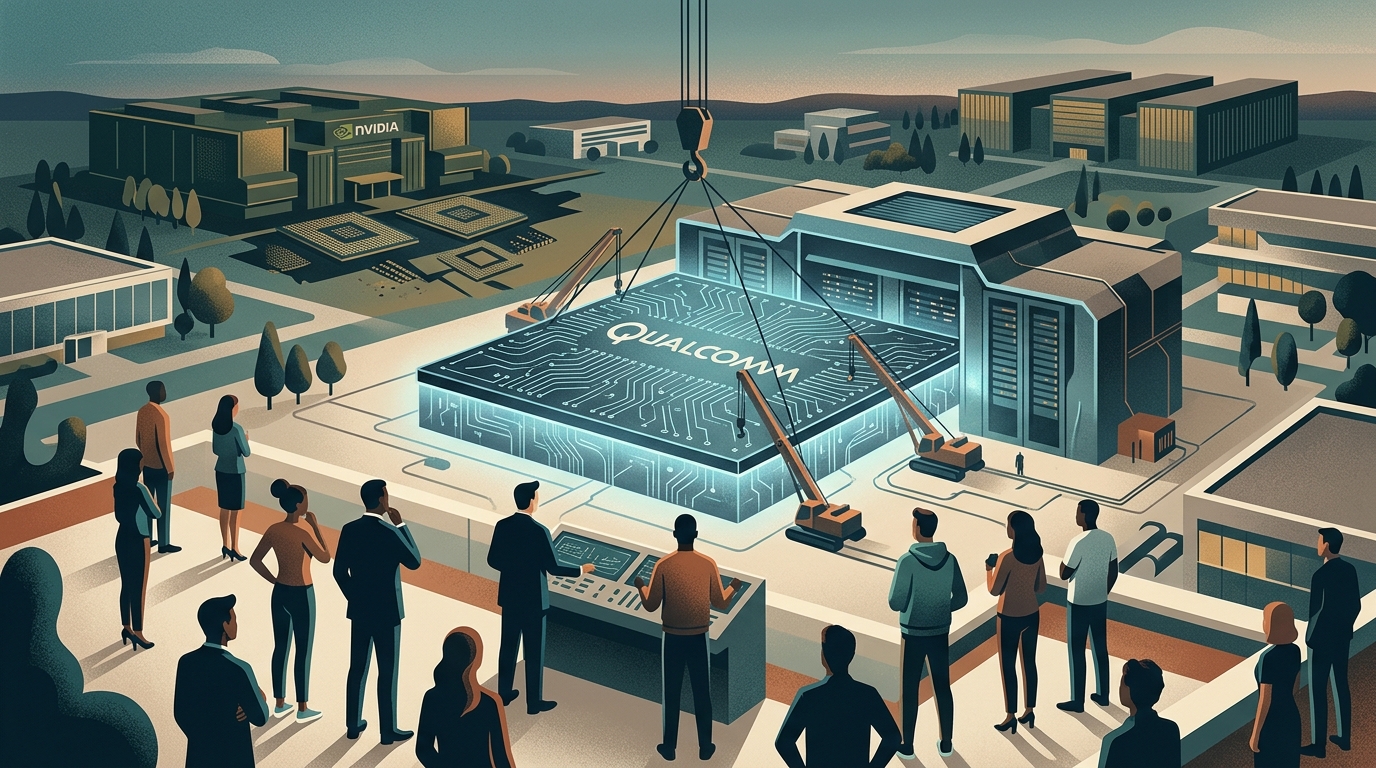
The history of technology is riddled with monoliths that eventually had to adapt or face obsolescence. For Qualcomm, the company that for decades has been the undisputed sovereign of mobile processors, the moment of grand transition has arrived. As of July 2026, the San Diego giant finds itself in a head-on collision with Nvidia—not in the smartphone arena, but at the very heart of the Artificial Intelligence (AI) revolution. The stakes are not merely survival, but a fundamental redefinition of where AI "lives" and how it "thinks."
The Strategy of the Edge: From Cloud to Device
While Nvidia has built a multi-trillion-dollar empire based on the formidable H100 and Blackwell processors that power massive data centers, Qualcomm is taking a different path: Edge AI. Its strategy is rooted in the conviction that AI cannot remain trapped in remote servers. For AI to become truly personal, instantaneous, and private, it must run locally on our devices—our phones, laptops, and vehicles.
Qualcomm is betting heavily on energy efficiency, an area where Nvidia traditionally struggles due to the massive power draw of its GPUs. With the Snapdragon X Elite processors and their successors, Qualcomm promises AI performance that rivals the market's top chips while consuming a fraction of the power. This isn't just a technical advantage; it is the prerequisite for the creation of "AI PCs" and the smart vehicles of tomorrow.
The PC Battlefield and the Microsoft Alliance
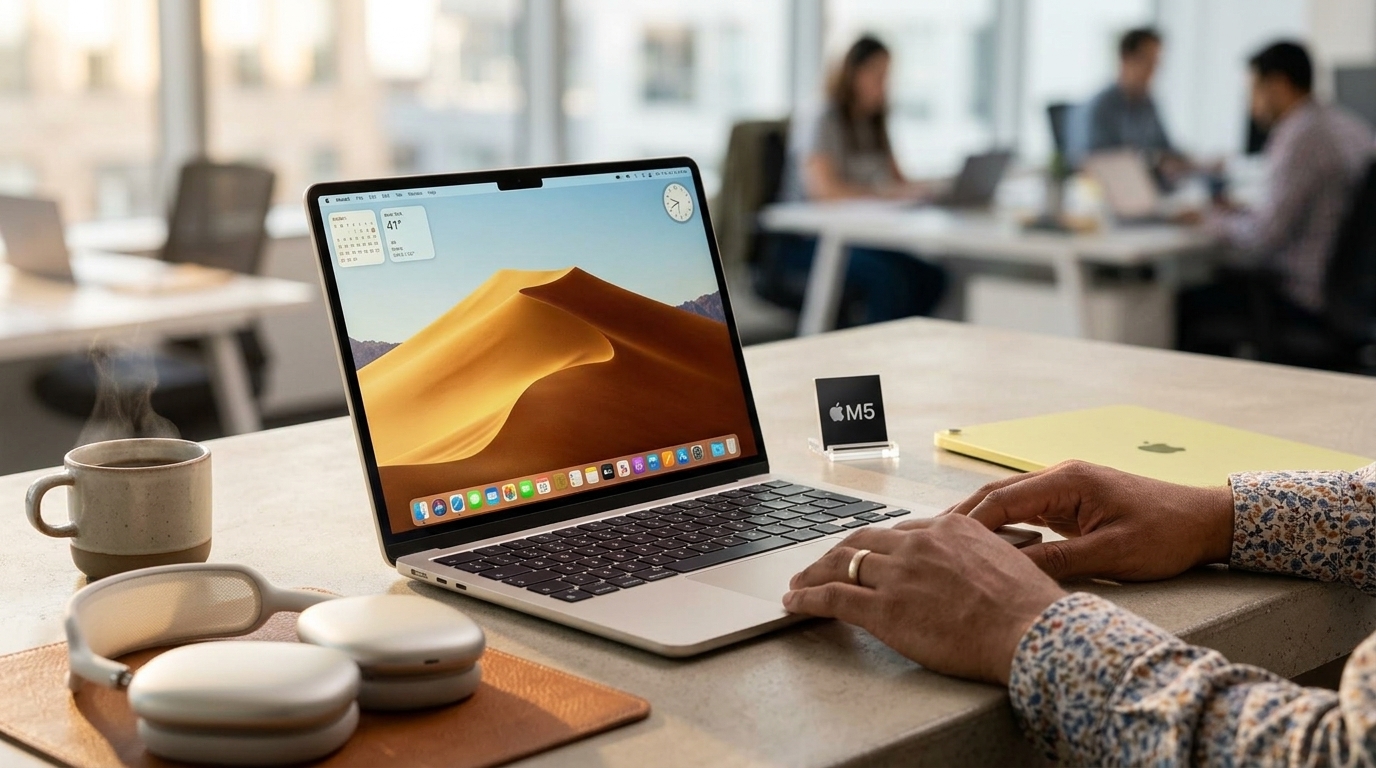
Qualcomm’s invasion of the personal computer space is perhaps its most audacious move yet. With ARM architecture having proven its worth through Apple’s Silicon, Qualcomm found a powerful ally in Microsoft. The "Copilot+ PC" initiative places Qualcomm at the center of the Windows ecosystem, effectively sidelining incumbents like Intel and AMD. The ability of its chips to execute trillions of operations per second (TOPS) for AI tasks without draining the battery is a game-changer for professionals and creators alike.
- Energy Autonomy: Laptops powered by Qualcomm chips now offer battery life exceeding 20 hours, a feat previously unthinkable for traditional x86 architecture.
- Local LLM Processing: The ability to run Large Language Models (LLMs) directly on the device significantly enhances data security and privacy.
- Ecosystem Convergence: The bridge between mobile and PC is narrowing, with shared architecture and seamless application integration.
The Software Hurdle and the CUDA "Moat"
Despite hardware superiority in specific metrics, Qualcomm faces a giant that is not easily toppled: software. Nvidia dominates largely due to CUDA, a programming platform that millions of developers have used for over a decade. To break this stronghold, Qualcomm is investing billions into its AI Stack and open standards, attempting to convince the developer community that a viable alternative exists.
"We are not just competing on chips; we are competing against an entire ecosystem that has learned to speak Nvidia’s language," industry analysts observe.
The challenge is immense. Nvidia is not standing still; it is expanding its own reach into Edge AI. However, Qualcomm holds the advantage of decades of experience in telecommunications and 5G/6G connectivity—essential components for a world where everything is connected and "intelligent."
Geopolitics and the Supply Chain
In the background of this corporate clash lies the US-China geopolitical rivalry. As an American company, Qualcomm benefits from CHIPS Act subsidies but simultaneously remains exposed to export restrictions targeting the Chinese market—a region that has traditionally accounted for a significant portion of its revenue. Diversifying production across TSMC and Samsung foundries is a core part of its strategy to mitigate risk in an unstable global landscape.
In conclusion, Qualcomm is not merely trying to become the "next Nvidia." It is striving to create a new category of computing where AI is ubiquitous, silent, and efficient. If it succeeds in winning over developers and maintaining its lead in power efficiency, 2026 will be remembered as the year the balance of power in Silicon Valley shifted irrevocably.