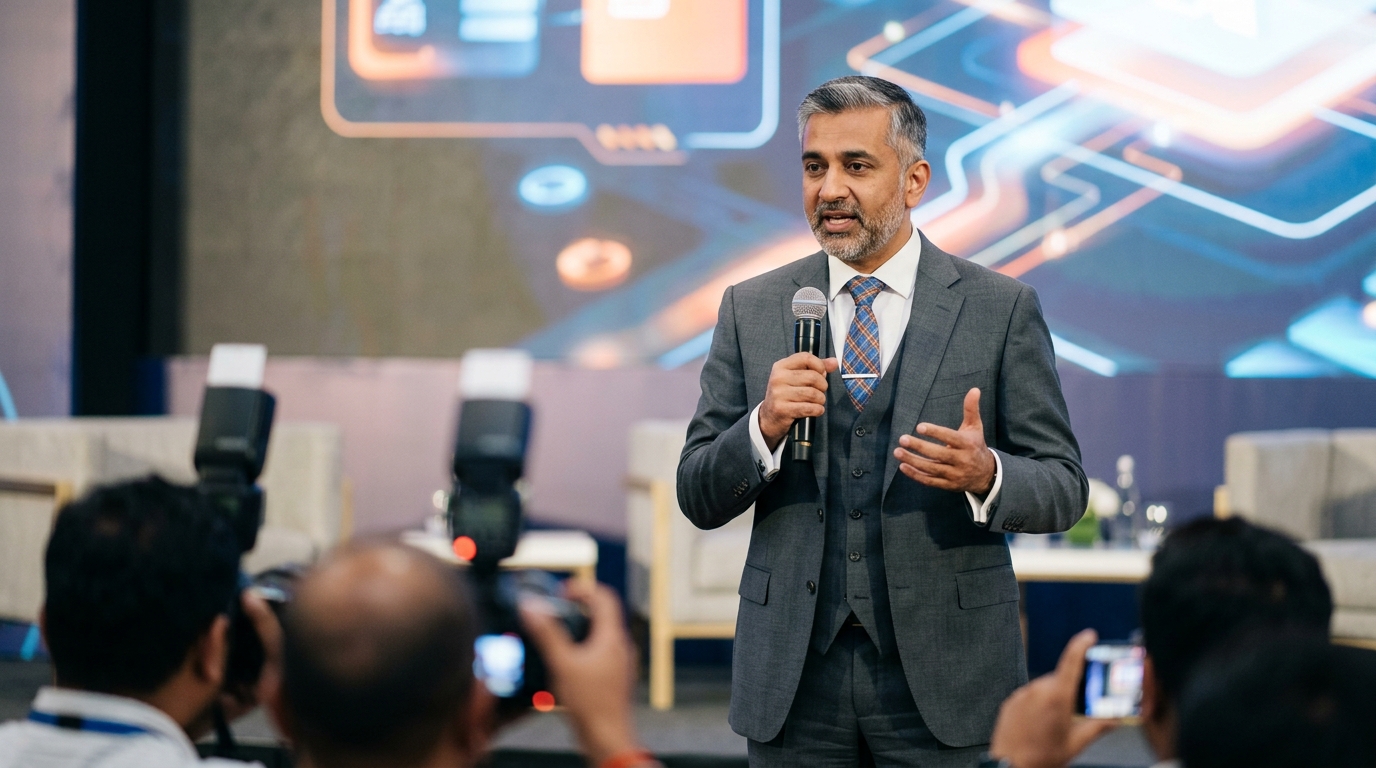
In an era where telecommunications operators worldwide are struggling to transition from mere infrastructure providers (bit-pipes) to comprehensive technology companies (tech-cos), Orange has made a move of high symbolic and practical significance. The appointment of Usman Javaid as Chief AI Officer (CAIO) marks the beginning of a new phase for the French group, which seeks to integrate artificial intelligence into every aspect of its operations, from 5G network management to customer service and internal operational efficiency.
Javaid, who joins from Amazon Web Services (AWS) and boasts an extensive background in leadership roles at Vodafone, takes on the daunting task of unifying Orange's AI efforts. This move is not isolated but serves as a central pillar of the "Lead the Future" strategic plan, unveiled by CEO Christel Heydemann, aimed at establishing Orange as a leader in the digital economy across Europe and Africa.
The Strategic Importance of the Chief AI Officer
The role of the Chief AI Officer is emerging as one of the most critical in the modern corporate hierarchy. For Orange, Javaid will not be merely a technical advisor but an architect of change. His mission includes creating a centralized governance framework for data and AI, ensuring that the group's various subsidiaries do not operate in silos but share best practices and technological infrastructures.
The choice of an executive with a background at AWS is particularly revealing. AWS represents the gold standard for scalable cloud infrastructure and automation. Orange aims to adopt this "cloud-native" mindset, transforming its networks into flexible software platforms that self-regulate and self-heal through machine learning algorithms.
From Theory to Practice: Networks and Customer Experience
The challenges facing the new CAIO are multi-layered. At the network level, AI can optimize energy consumption—a massive cost for telecom operators—by automatically powering down network segments during low-traffic hours. Simultaneously, predictive maintenance allows Orange to identify faults before they impact subscribers, drastically reducing complaints and repair costs.
On the customer service front, Generative AI offers possibilities that go far beyond simple chatbots. Orange is already experimenting with tools that help call center representatives find solutions in seconds by analyzing vast volumes of technical manuals and historical data. The goal is to create a "hyper-personalized" experience where the provider can offer services to the customer even before they realize the need for them.
The Challenge of Digital Sovereignty and Data
As a French-based company with a strong presence across Europe, Orange must balance innovation with strict EU regulatory frameworks, such as the AI Act and GDPR. Usman Javaid will need to ensure that AI usage is ethical, transparent, and aligned with European values regarding personal data protection.
Furthermore, Orange is investing in developing its own Large Language Models (LLMs) tailored to telecom needs to reduce dependence on American tech giants. This is part of a broader effort to bolster European digital sovereignty, a topic high on the agenda of the French government, which remains a significant shareholder in the company.
Conclusion: A Bet on the Future
The appointment of Usman Javaid is not just a strategic hire; it is a statement of intent. Orange recognizes that artificial intelligence is no longer an optional add-on but the operating system of the future. Javaid's success will be judged by whether he can transform a traditional organization with thousands of employees into an agile, data-driven engine capable of competing not only with other telcos but also with major internet companies.
Ultimately, AI-driven transformation is as much about people as it is about technology. Upskilling the workforce and shifting the corporate culture will perhaps be the greatest challenges for the new Chief AI Officer. If Orange succeeds, it will serve as a blueprint for how European industrial giants can be reborn in the digital age.