In an era where Artificial Intelligence (AI) is transitioning from an experimental novelty to the cornerstone of the global economy, Singapore is once again cementing its role as a laboratory for the future. The recent announcement of a partnership between the National Trades Union Congress (NTUC), Alibaba Cloud, and ST Telemedia Global Data Centres (STT GDC) is more than a business deal; it is a strategic manifesto for the survival of Small and Medium Enterprises (SMEs) in the digital age.
The Tripartite Alliance: Infrastructure, Cloud, and Labor
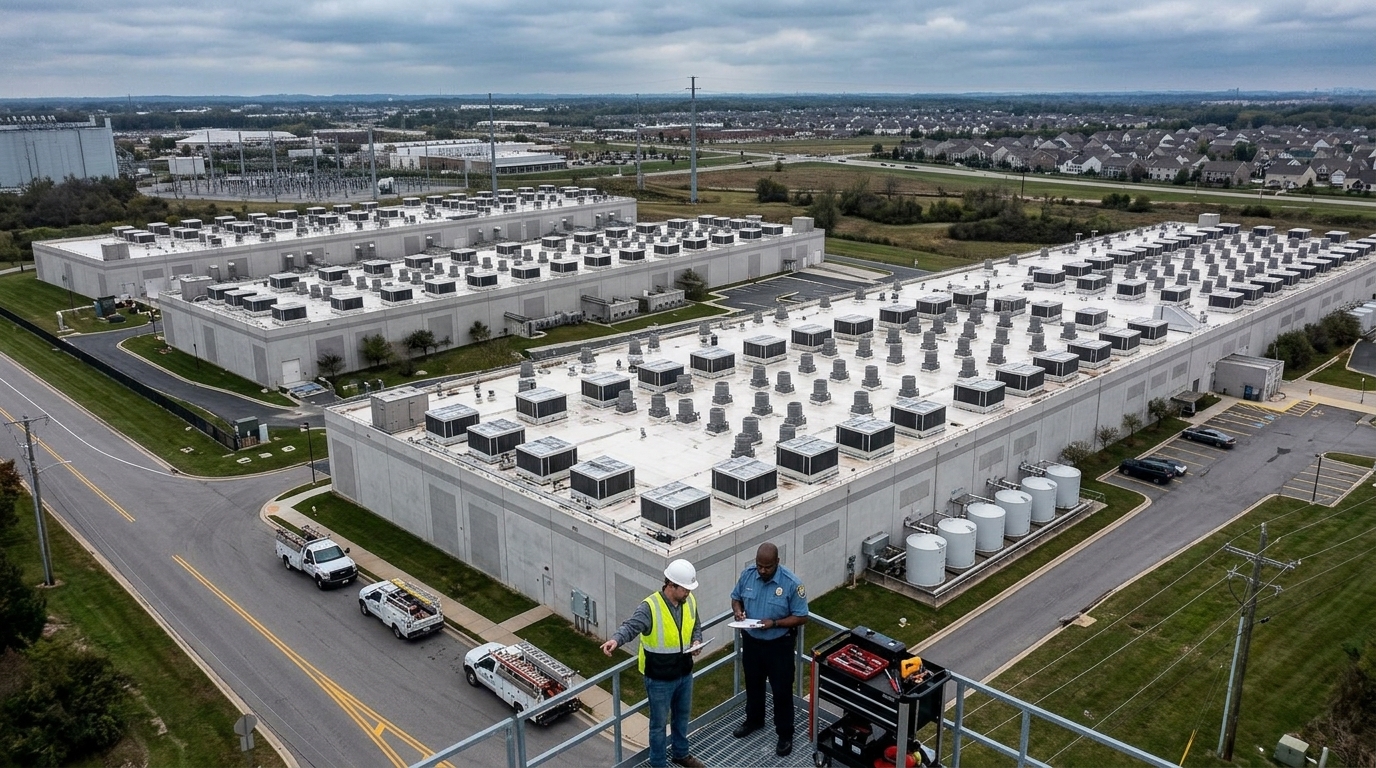
This collaboration focuses on empowering 1,000 enterprises and their workers with essential AI skills. NTUC, through its U Portal ecosystem, acts as the bridge to the workforce, ensuring that the technological transition leaves no one behind. Alibaba Cloud provides expertise in cloud infrastructure and machine learning models, while STT GDC offers the physical backbone of data centers required to process these vast volumes of information.
The program is not limited to theoretical lectures. It includes hands-on workshops, AI readiness assessments, and, most importantly, the provision of cloud credits to enable businesses to experiment with real-world applications without the prohibitive initial investment costs. This 'democratization of compute power' is critical, as smaller companies are often excluded from advancements due to a lack of capital.
National AI Strategy 2.0: The Bigger Picture
This move is part of Singapore’s National AI Strategy 2.0, which aims to fully integrate AI into every facet of the economy. The Singaporean government understands that competitiveness in the 21st century depends not on market size, but on the speed of technology adoption. Supported by giants like Alibaba Cloud, Singapore is positioning itself as the central hub connecting Chinese technological innovation with Western governance standards.
- Training in Generative AI to enhance office productivity.
- Development of specialized solutions for logistics and retail sectors.
- Worker certification, boosting professional value in the labor market.
- Connecting SMEs with international innovation networks.
"AI will not replace workers, but workers who know AI will replace those who do not," is a common refrain in Southeast Asia, and the NTUC initiative is putting this into practice.
Challenges and Geopolitical Context
Despite the optimism, challenges remain. Utilizing Alibaba Cloud, a Chinese tech giant, in a nation that maintains close ties with the US, requires delicate handling regarding data security and sovereignty. However, Singapore has proven its ability to navigate these turbulent waters, opting for 'technological neutrality' for the sake of its economic growth. The involvement of ST Telemedia, a Singapore-based company with a global footprint, provides an additional layer of local control and reliability.
In conclusion, this initiative serves as a roadmap for other nations. The focus is not just on the 'elite' developers, but on the base of the economic pyramid: the 1,000 employers and thousands of employees who make up the engine of the real economy. The success of this venture will be judged by how quickly these businesses can convert knowledge into profitability and long-term sustainability.