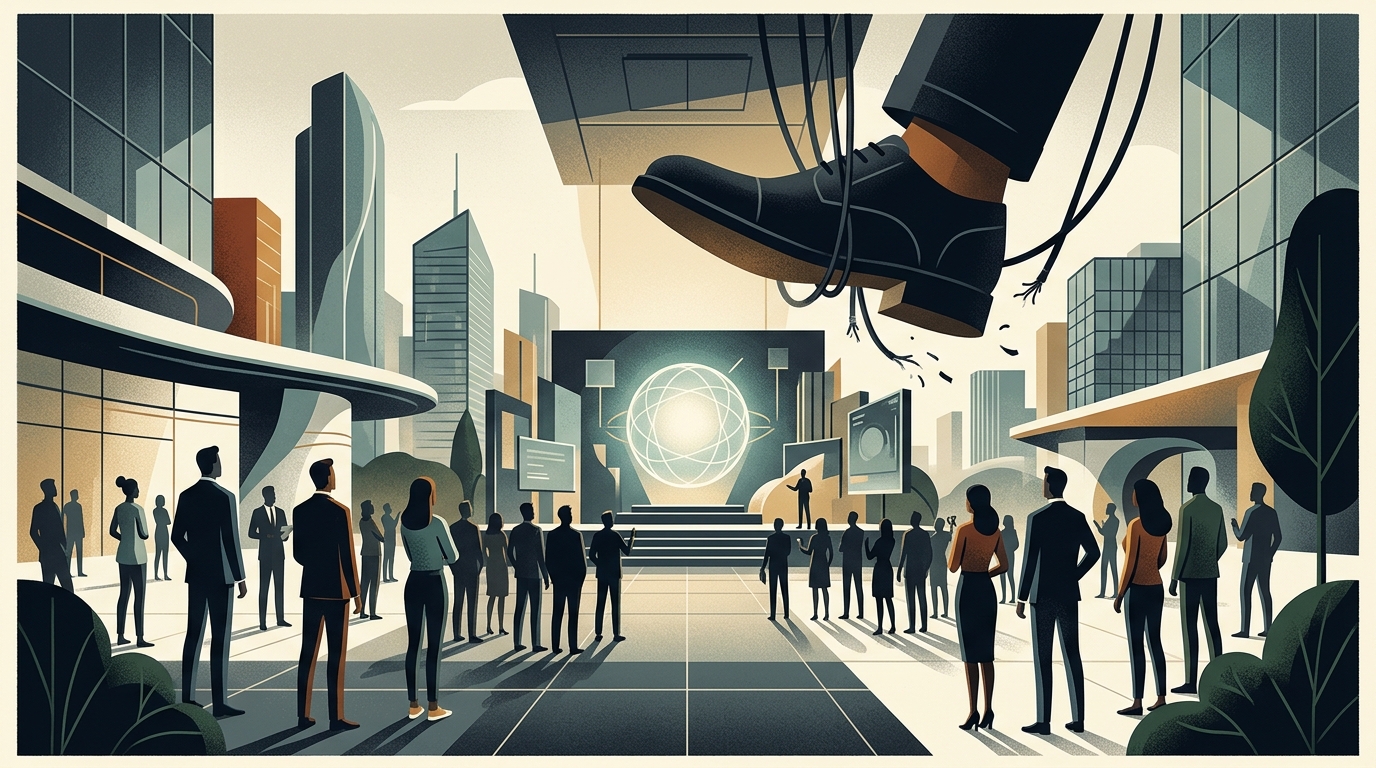
Elon Musk’s artificial intelligence company, xAI, alongside right-leaning legal activists and with the support of the Trump administration, has launched a sweeping challenge against a cornerstone of U.S. legal enforcement: the right of private citizens, groups, and local governments to sue over violations of federal law.
The Constitutional Challenge
The core argument posits that the U.S. Constitution reserves the power to enforce federal law exclusively for the President and federal agencies. Challengers contend that Congress overstepped by granting enforcement power to others through "citizen suits," which are integral to environmental protection, campaign finance, and other major statutes.
Proponents of the shift, including the Pacific Legal Foundation, argue that government enforcement ensures accountability to the public, whereas private lawsuits are driven by unelected activists who force others to expend resources in self-defense.
xAI and the National Security Argument
The issue gained prominence through a lawsuit filed by the NAACP against xAI in Mississippi. The civil rights group alleges that xAI is operating dozens of gas turbines to power a Memphis data center without required permits, posing a pollution threat to nearby Black communities. The Trump administration intervened on behalf of Musk’s company, arguing that halting the turbines would harm national security because the AI supports the Department of War. The administration claims it should have "unreviewable authority" to veto such suits based on a balance of interests.
Environmental and Social Risks
Environmentalists describe the potential loss of citizen suits as devastating. Historically, these suits have extracted millions from polluters and were instrumental in addressing the Flint, Michigan water crisis. Legal experts like Harvard’s Richard Lazarus point out that the federal government often lacks the resources or political will to pursue every violator, especially when the government itself is the polluter.
Critics warn that without these legal tools, vulnerable communities—often poor and majority-minority—could become "sacrifice zones" with no legal recourse against local pollution. Lazarus noted that the legal world has been waiting 26 years for this "shoe to drop," following a 2000 Supreme Court opinion that first raised fundamental questions about the constitutionality of private enforcement.