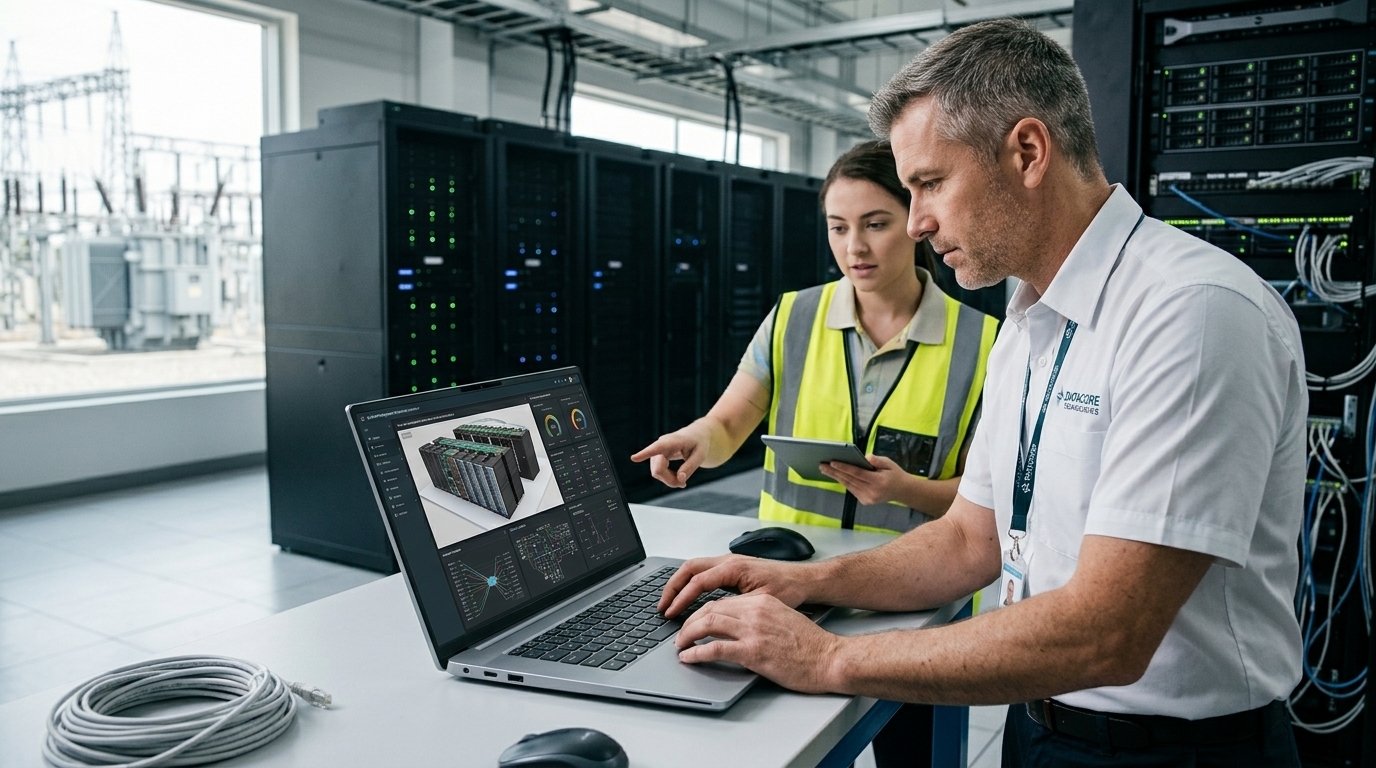
Chevron is making a strategic move that redefines its role in the global market by providing Microsoft with 2.67 GW of natural gas-fired electrical power for data centers in West Texas. Known as Project Kilby, this initiative is expected to become operational in 2028, signaling the oil giant's transformation into a critical infrastructure provider for the AI explosion.
Project Kilby and the Microsoft Partnership
The 20-year agreement involves providing enough energy to power over 2 million homes, though it is intended exclusively for Microsoft's data center needs. Chevron is leveraging its land and natural gas assets in the Permian Basin, partnering with Texas Pacific Land for additional land and water services, Engine No. 1 for financing, and GE Vernova and Caterpillar for generation equipment.
A key advantage for Chevron is its foresight: the company pre-ordered critical equipment, such as large turbines, approximately a year and a half ago, bypassing current supply chain bottlenecks.
Why AI is Turning to Big Oil
Despite Big Tech's years-long emphasis on renewable energy, the rapid growth of generative AI has shifted priorities. The demand for immediate and reliable power now exceeds the capacity of existing electrical grids. Project Kilby will operate "behind the meter," generating its own power without directly burdening the public Texas grid.
- 2.67 GW total capacity from natural gas.
- Potential for future integration of solar power and batteries.
- Operational timeline set for 2028 through 2031.
Expansion and Environmental Challenges
Chevron is not limiting itself to Texas. It is exploring similar projects in the Rockies (Colorado to North Dakota) and Midwestern states like Ohio and Indiana. While the reliance on natural gas creates a contradiction with tech companies' emission reduction goals, Chevron maintains that carbon capture and storage (CCS) and geothermal energy could be integrated in the future to mitigate the environmental footprint.