

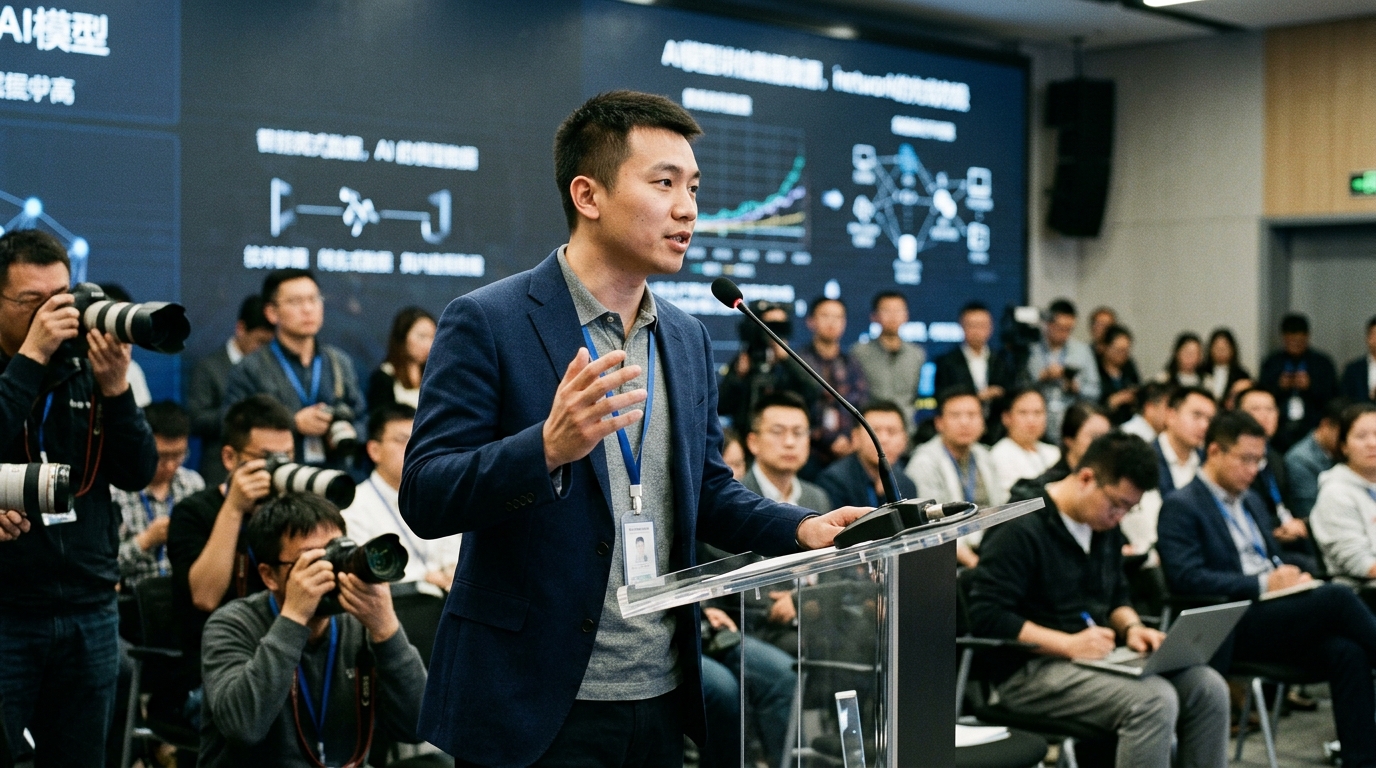
In the heart of Beijing’s Haidian District, a historic neighborhood that once housed small-scale electronics vendors has evolved into the definitive epicenter of the global Artificial Intelligence race. Zhongguancun, known for decades as 'China’s Silicon Valley,' is experiencing an unexpected renaissance. While the Chinese real estate market falters and many businesses seek ways to slash overhead, AI protagonists like the surging DeepSeek and the formidable ByteDance are moving in the opposite direction, snapping up space in an area where rents continue to climb.
The Magnetic Pull of Talent and Proximity
The decision by DeepSeek and ByteDance to bolster their presence in Zhongguancun is no coincidence. The district is surrounded by the nation's premier academic institutions, including Tsinghua University and Peking University. In an era where finding specialized AI engineers is more difficult than ever, geographic proximity to these 'talent pools' provides a strategic advantage. DeepSeek, which recently sent shockwaves through the industry with its hyper-efficient models, needs access to top-tier research talent to maintain its competitive edge against American giants.
On the other hand, ByteDance, the parent company of TikTok, continues to expand its ecosystem of large language models (Doubao). For ByteDance, Zhongguancun is not just a location, but a symbol of power. The concentration of these firms creates a 'clustering' effect, where the exchange of ideas, the movement of executives, and direct access to hardware suppliers create a self-sustaining innovation ecosystem.
The Rental Paradox and Economic Reality
It is noteworthy that demand for office space in Zhongguancun remains sky-high at a time when other commercial districts in Beijing are recording declines. According to reports from the Seoul Economic Daily, rents in the area have seen an uptick as AI companies compete for the few available high-spec buildings. This creates an interesting economic paradox: while China faces deflationary pressures, the AI sector is operating in its own 'hot' economic zone.
- DeepSeek is seeking spaces that can accommodate not only staff but also the infrastructure required for model development.
- ByteDance is consolidating its operations, moving away from peripheral offices to focus on its innovation core.
- Investors view this concentration as a health indicator for the industry, despite geopolitical challenges.
This trend highlights the enduring importance of physical innovation hubs. Despite the global rise of remote work, the AI industry appears to believe firmly in physical presence. The speed at which the sector evolves requires immediate collaboration—something that only an environment like Zhongguancun can offer at such a scale.
Geopolitics and National Self-Reliance
Behind the movement of these companies lies China's broader strategy for technological self-reliance. As US restrictions on high-end chip exports intensify, Beijing is pushing for a domestic solution at every level of the AI value chain. Zhongguancun acts as the 'fortress' for this effort. The concentration of DeepSeek and ByteDance there facilitates state oversight as well as the provision of incentives, creating a national front against the likes of OpenAI and Google.
"Zhongguancun is no longer just a district; it is China’s answer to the attempt to isolate it from the global tech stage. DeepSeek’s presence there marks the transition from imitation to true pioneering," market analysts note.
Conclusion: The Future of the 'Artificial' City
The return of major players to Zhongguancun is a vote of confidence in the Chinese AI development model. Despite high costs and economic challenges, the need for talent and synergies outweighs accounting calculations. As DeepSeek and ByteDance solidify their positions in the district, Zhongguancun is preparing for its next phase: becoming the undisputed global leader in efficient and scalable AI, defying pressures from the West and the fluctuations of the real estate market.





