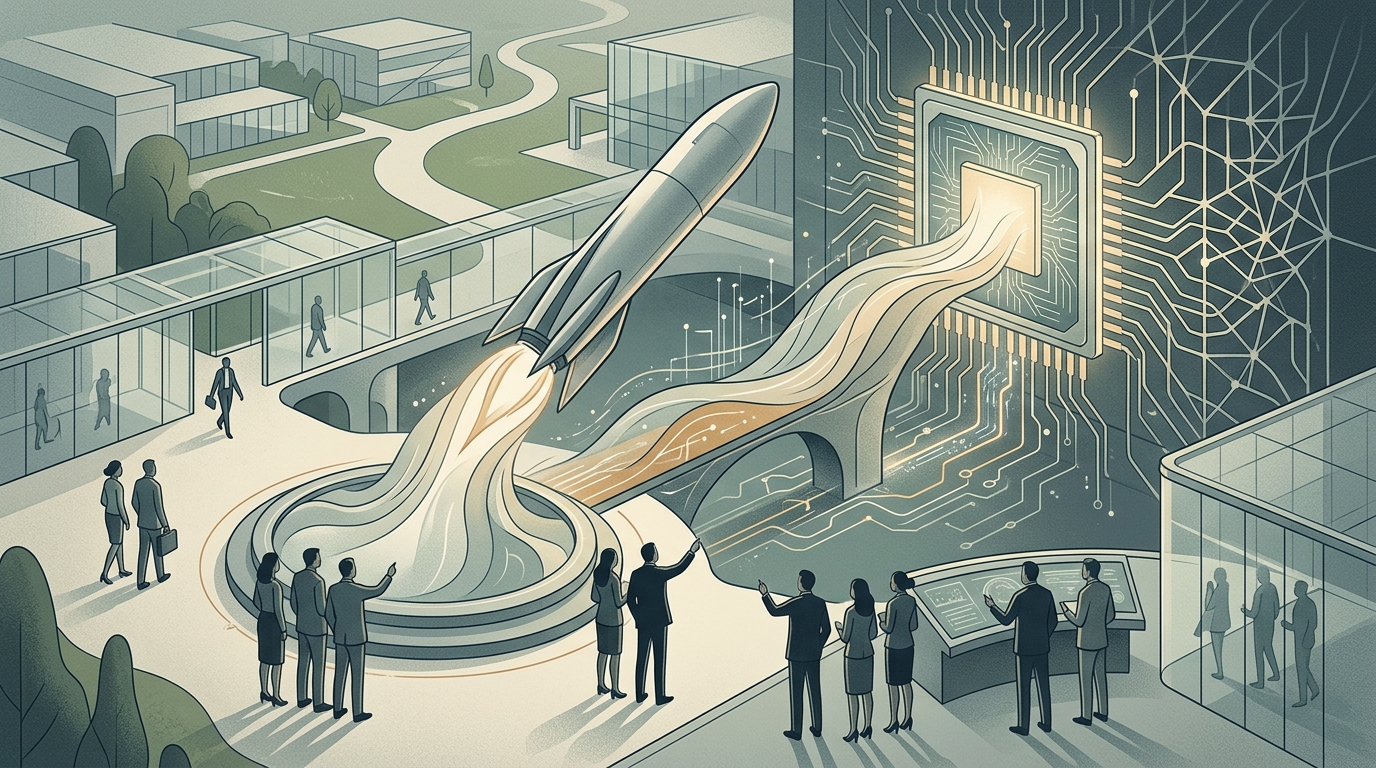
In an era where Artificial Intelligence (AI) is rapidly reshaping the global economic and social landscape, the need for education and understanding of these technologies is becoming imperative, not only in major urban centers but also in regional communities. The AiSK (AI Saskatchewan) initiative recently announced the launch of a comprehensive AI literacy training program for residents and businesses in Moose Jaw. This move is not merely a computer seminar but a strategic intervention to ensure the future prosperity of the region.
Democratizing Knowledge in the Digital Age
AiSK's program focuses on what experts call "AI Literacy." This is not about learning complex coding, but about understanding the core principles, capabilities, and limitations of the technology. For the average citizen, this means being able to distinguish AI-generated content, using tools like ChatGPT to enhance daily productivity, and understanding how their data is utilized by algorithms.
AiSK’s approach is holistic. Recognizing that technology can evoke fear or uncertainty, the educational modules are designed to be accessible to individuals of all ages and professional backgrounds. From retirees wanting to understand their grandchildren's world to workers concerned about the automation of their jobs, the program offers answers and practical tools.
Empowering Local Entrepreneurship
For small and medium-sized enterprises (SMEs) in Moose Jaw, Artificial Intelligence offers a unique opportunity to compete in a globalized environment. The AiSK program includes specialized workshops for entrepreneurs, focusing on automating routine tasks, improving customer service via AI chatbots, and utilizing analytical tools for data-driven decision-making.
"Artificial Intelligence is no longer the exclusive privilege of Silicon Valley tech giants. It is a tool that can breathe new life into the local market of Moose Jaw," says the AiSK leadership.
The training also covers critical issues of ethics and security. Businesses learn how to deploy AI without compromising customer privacy and how to protect themselves against algorithmically enhanced cyberattacks. This knowledge is essential for building a culture of trust around technology within the community.
Social Implications and the Future of Work
One of the greatest challenges the initiative faces is managing anxiety over job displacement. AiSK does not sugarcoat the situation but suggests a proactive stance. Through reskilling and upskilling, residents are encouraged to view AI as a "partner" that can handle repetitive tasks, allowing humans to focus on creativity, strategic thinking, and empathy.
The Moose Jaw example could serve as a blueprint for many other cities worldwide. Regional development can no longer rely solely on traditional infrastructure; it requires a "digital infrastructure" of knowledge. AiSK is leading the way, proving that technological sovereignty begins at the community level. Investing in people and in the understanding of the tools of the future is the only guarantee that progress will be inclusive and fair for everyone.
As we look toward the late 2020s, the success of such programs will determine which regions thrive and which fall behind. By prioritizing literacy over mere consumption, Moose Jaw is positioning itself as a forward-thinking hub in the heart of Saskatchewan, ready to navigate the complexities of the AI-driven economy.