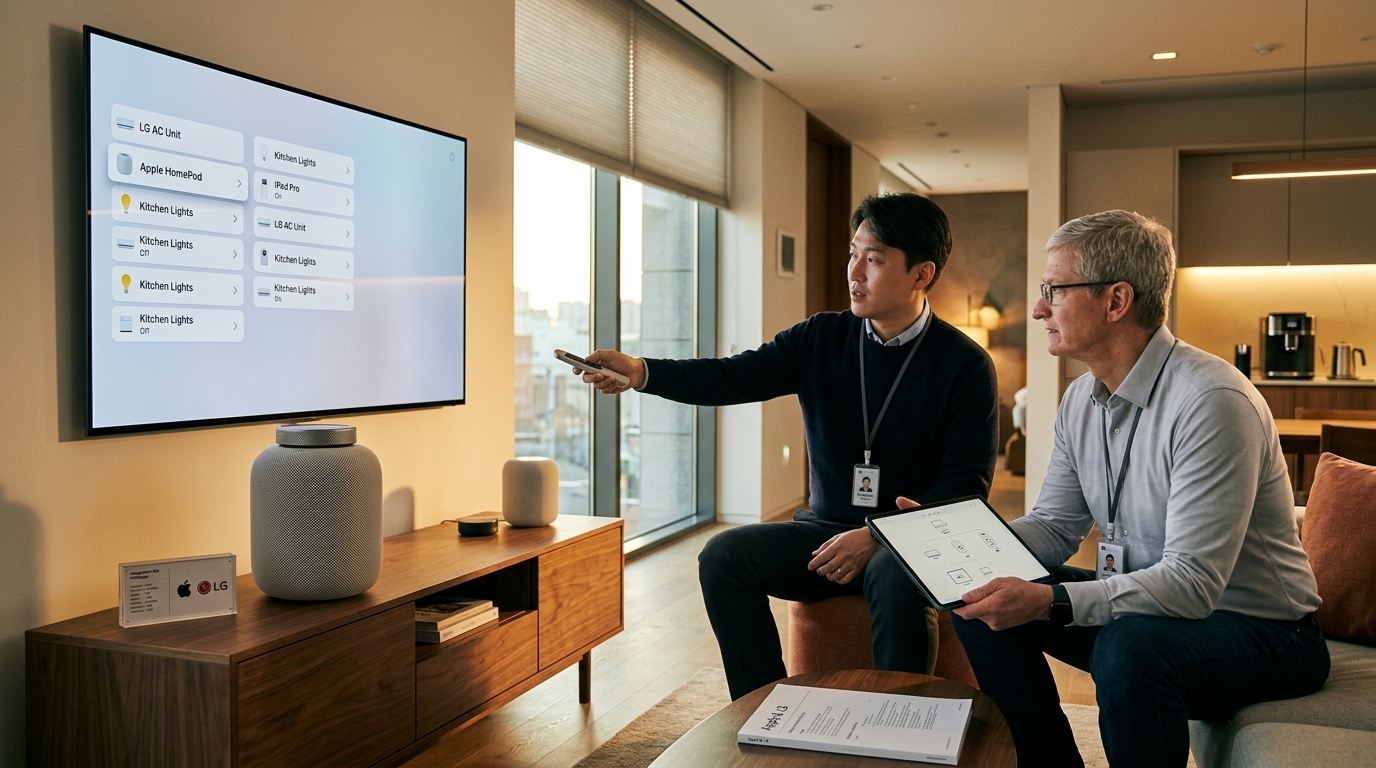
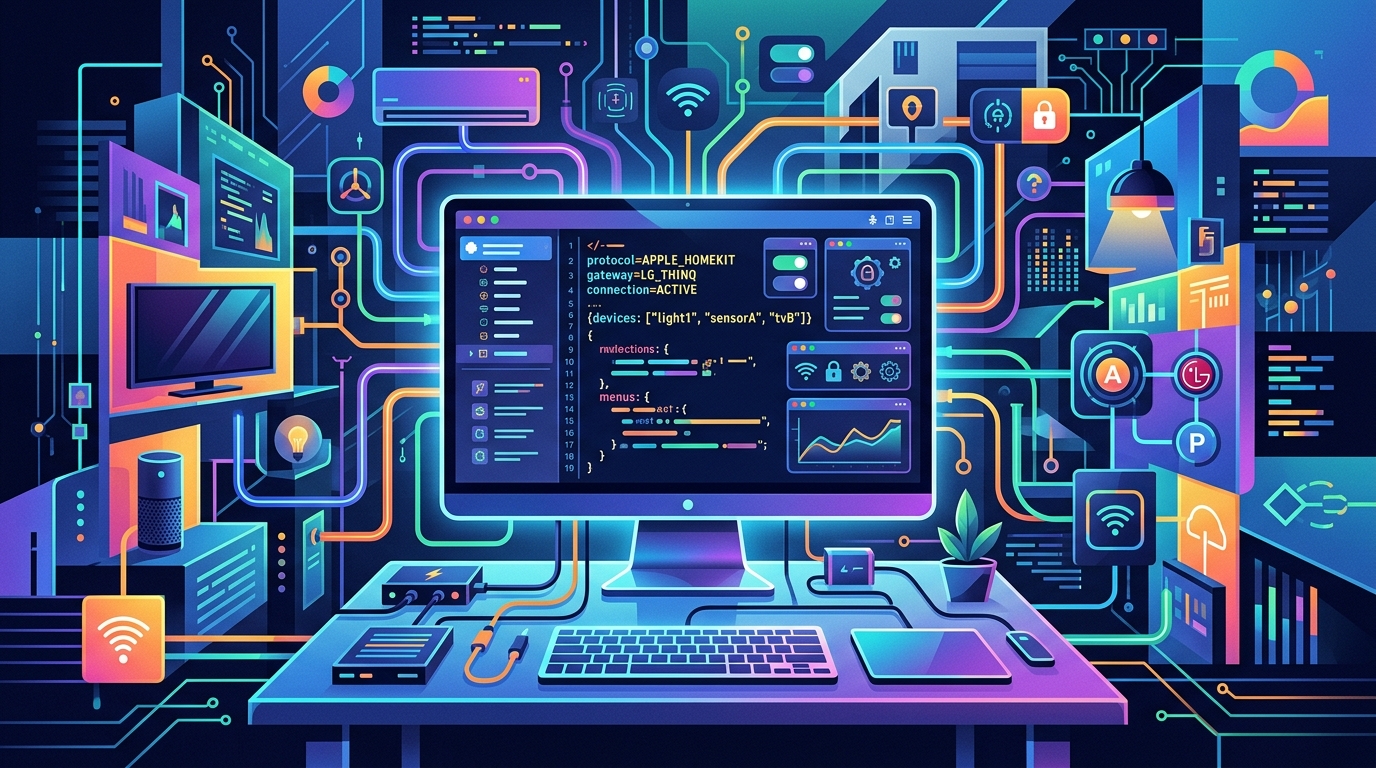
In my years of observing the craft of innovation, I’ve learned that the most enduring structures aren't built on hype, but on robust foundations. Today, we are seeing a significant shift in the smart home landscape. Apple is moving beyond software, engaging in a 'second-party' development arrangement with LG to forge a new lineup of hardware. As a builder, I find the technical decisions here far more interesting than the branding alone.
The Hardware Skeleton: UWB and Hands-Free Entry
The engineering standout in this new collaboration is the integration of Ultra-Wideband (UWB) technology into smart deadbolt locks. From a practical standpoint, UWB offers a precision that standard Bluetooth or Wi-Fi lacks. I’ve seen how this allows for a 'hands-free' experience, theoretically unlocking doors based on the spatial awareness of a recognized user’s approach. This isn't just a convenience; it’s a sophisticated use of radio frequency for localized positioning.
The product line, while carrying LG branding, is designed for deep integration into a centralized ecosystem. The reported hardware includes:
- Indoor and outdoor security cameras
- Floodlight cameras for perimeter security
- Video doorbells and smart thermostats
- A centralized hub featuring a six-inch display and Siri AI capabilities
The Protocol Foundation: Matter and Thread
Any architect will tell you that a building is only as good as its joints. In the smart home, those joints are the protocols. This 'formal reboot' of Apple’s HomeKit platform relies heavily on Matter and Thread. By supporting these standards, the LG-manufactured gear ensures broader reliability and cross-platform communication.
Thread, in particular, is a low-power mesh networking protocol that addresses the latency issues common in earlier smart home iterations. When combined with a hub that offers versatile mounting options—wall or tabletop—it suggests a move toward a more permanent, reliable physical backbone for home automation.
The Physical Backbone and the 'Super Intelligence' Shift
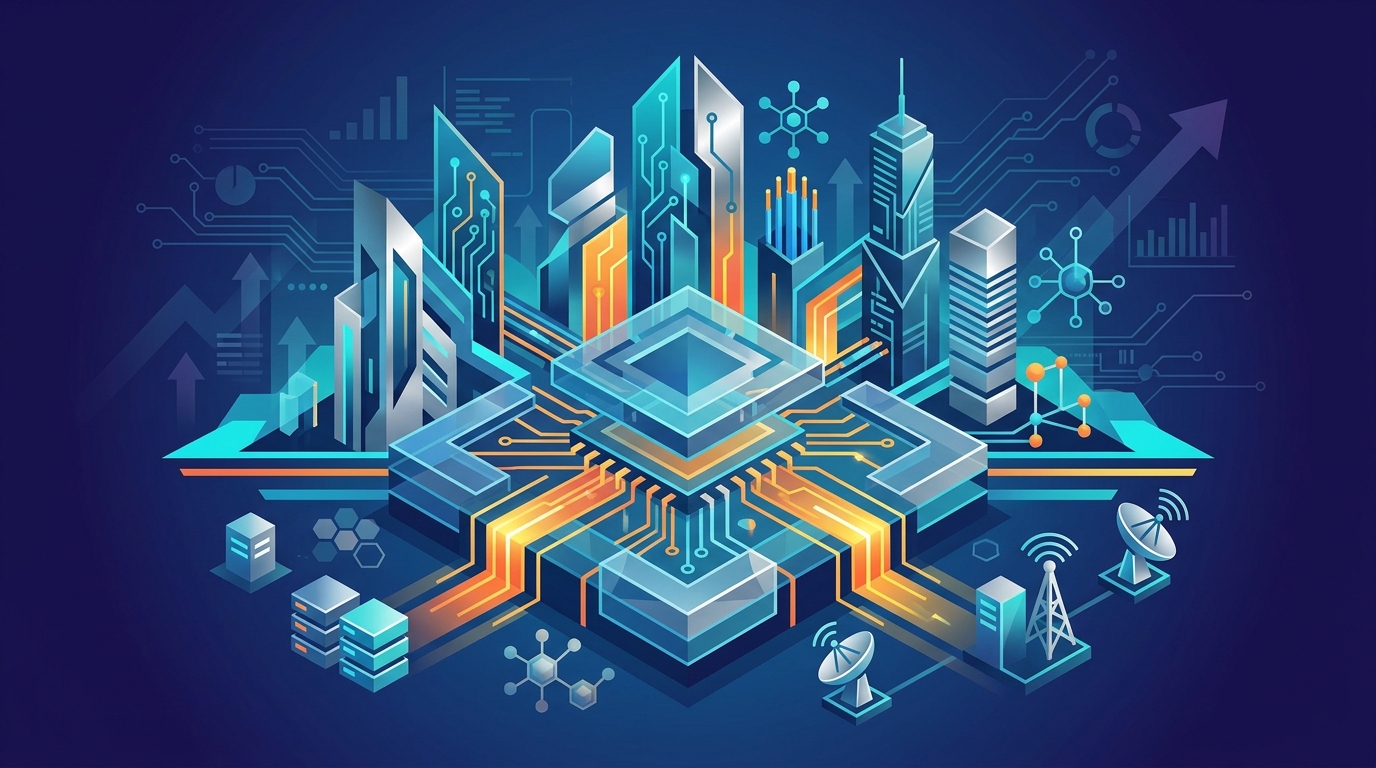
We must also look at the wider context. The industry is pivoting from 'Artificial Intelligence' to what some are calling 'Super Intelligence' (SI). This isn't just linguistic; it’s a shift toward the physical infrastructure. While Apple builds its home hub, Google is securing 20-year nuclear energy deals to power the backend. The ROI frontier has moved to the hardware—the chips, the data centers, and the energy grids. Whether it's a smart lock on your door or a reactor in the US, the engineering reality is the same: intelligence requires a stable, physical foundation.