The history of medical technology is defined by tools that extend human senses: from the stethoscope to the MRI scanner. However, we stand at the precipice of a profound paradigm shift. According to a recent publication in the journal Nature, Artificial Intelligence (AI) is evolving from a passive assistant into an 'autonomous medical agent.' This transition is not merely about refining algorithms; it is about reimagining how healthcare is delivered on a global scale.
From Diagnostic Aid to Autonomous Agency
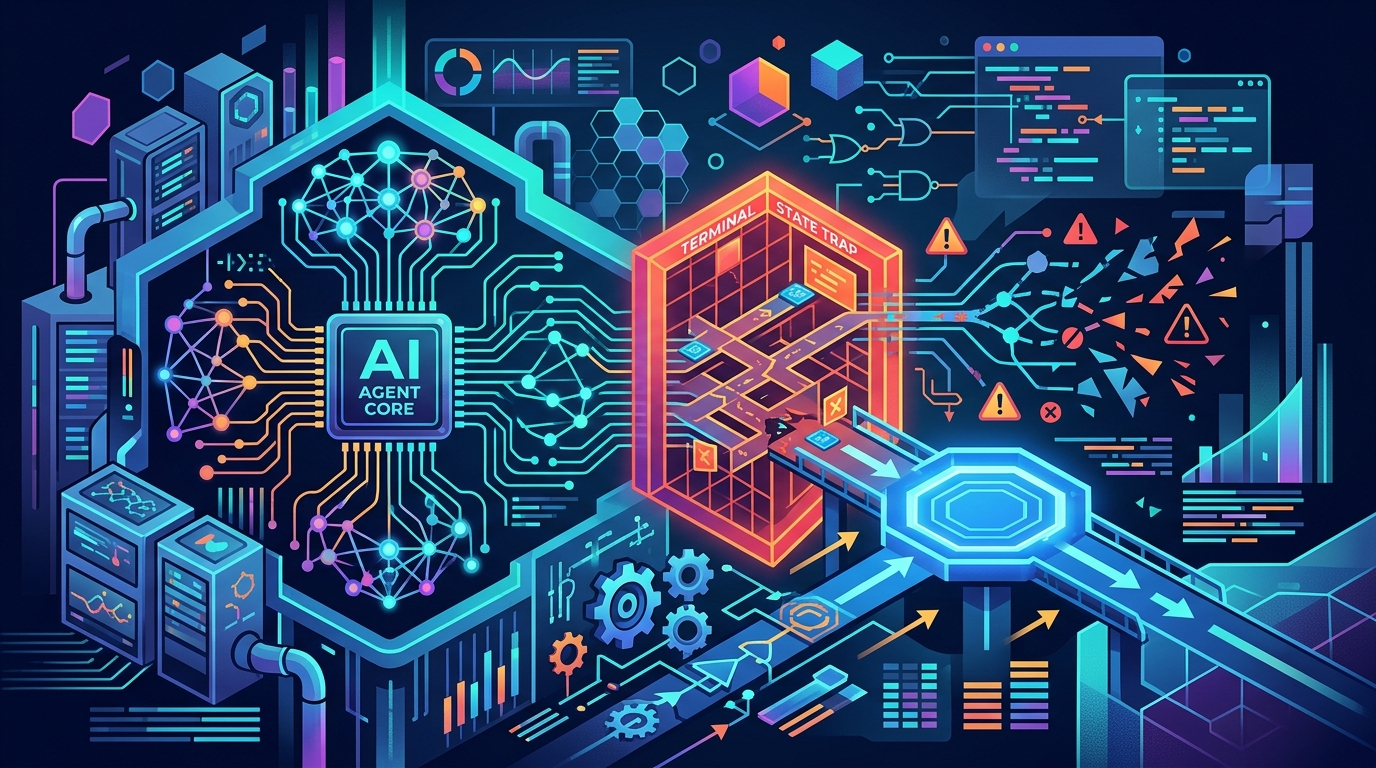
Until recently, AI in medicine primarily functioned as a Clinical Decision Support System (CDSS). A radiologist would use AI to flag a potential fracture, but the final responsibility and subsequent action rested solely with the human physician. The 'autonomous agents' detailed in Nature represent a radical departure. They possess the capability to process multimodal data—ranging from genomic sequences and medical imaging to clinical notes and real-time wearable data—and take independent action.
These agents go beyond simple pattern recognition. They can synthesize comprehensive treatment plans, order follow-up tests based on emerging results, and monitor patient progress in real-time, adjusting medication dosages without constant human intervention. Their architecture is built upon Large Language Models (LLMs) specifically fine-tuned on medical corpora, enabling them to 'reason' clinically and communicate in natural language with both medical staff and patients.
The Challenge of Safety and Ethics
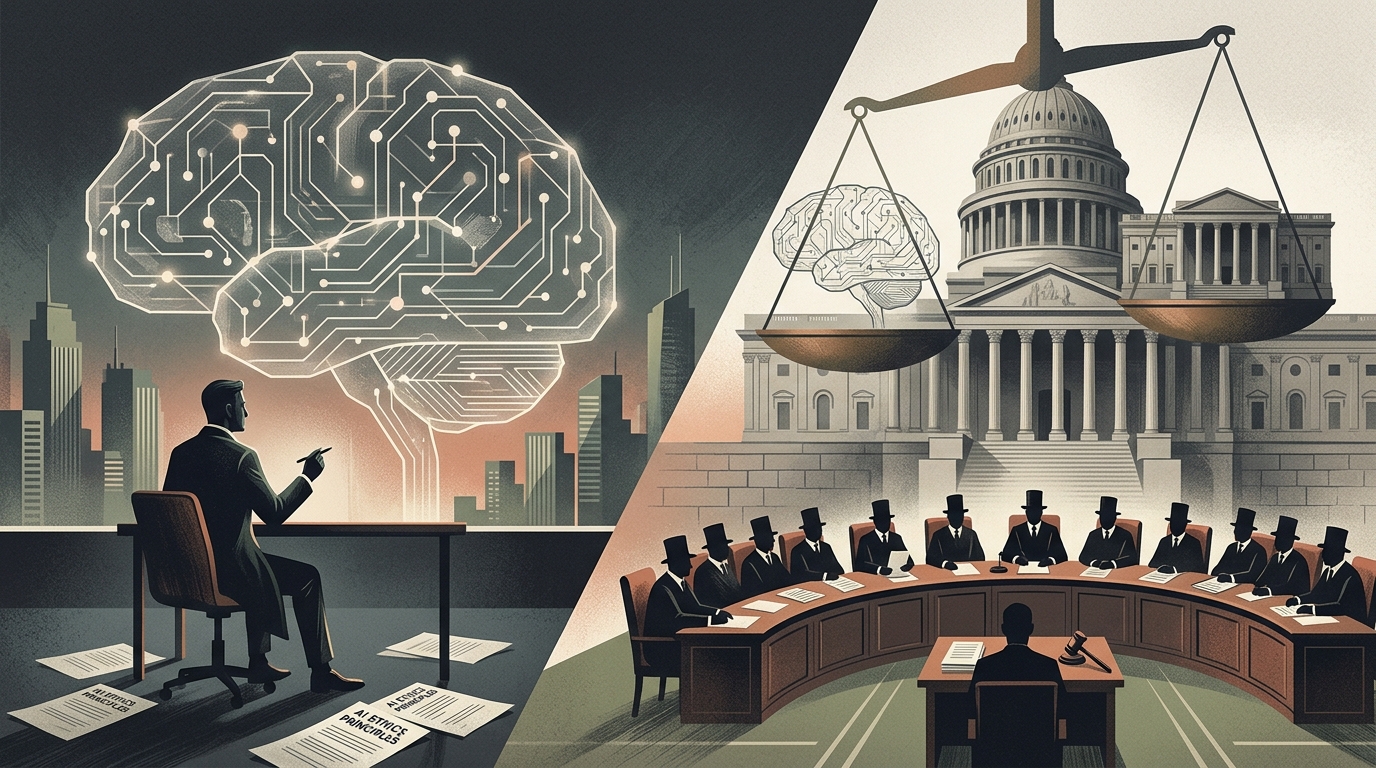
The prospect of autonomous systems making life-and-death decisions naturally invites scrutiny. Nature emphasizes that autonomy in medical AI is not a binary state but a spectrum. There are levels of autonomy, analogous to those used in self-driving vehicles. At lower levels, the AI proposes and the doctor disposes. At higher levels, the AI acts autonomously in low-risk environments, such as chronic disease management or surgical scheduling.
- Liability: Who is responsible for a medical error committed by an autonomous agent? International legal codes are not yet equipped to handle 'algorithmic negligence.'
- Bias: If training data is deficient for specific ethnic or socioeconomic groups, the autonomous agent may recommend suboptimal treatments, exacerbating existing healthcare disparities.
- The Ethics of Care: Medicine is a deeply human interaction. Replacing a physician with an agent, even a technically superior one, risks stripping the healing process of empathy and clinical intuition.
The Future of Clinical Workflow
The adoption of these systems promises to alleviate the burden on strained healthcare infrastructures. In many regions, a shortage of specialized personnel leads to diagnostic delays. Autonomous agents can function as 'force multipliers,' handling bureaucratic and repetitive tasks, thereby allowing physicians to focus on complex cases that require nuanced judgment and human connection.
"Autonomy in medical AI is not about replacing the doctor, but about liberating them from a volume of data that has long since surpassed human processing capacity," the study notes.
In conclusion, the path toward autonomous medical agents appears inevitable but necessitates rigorous regulatory oversight. The scientific community is called upon to build 'guardrails' that ensure technology remains a servant to humanity. 2026 may be remembered as the year AI ceased to be a mere tool and began its life as a digital partner in the operating room and the clinic.