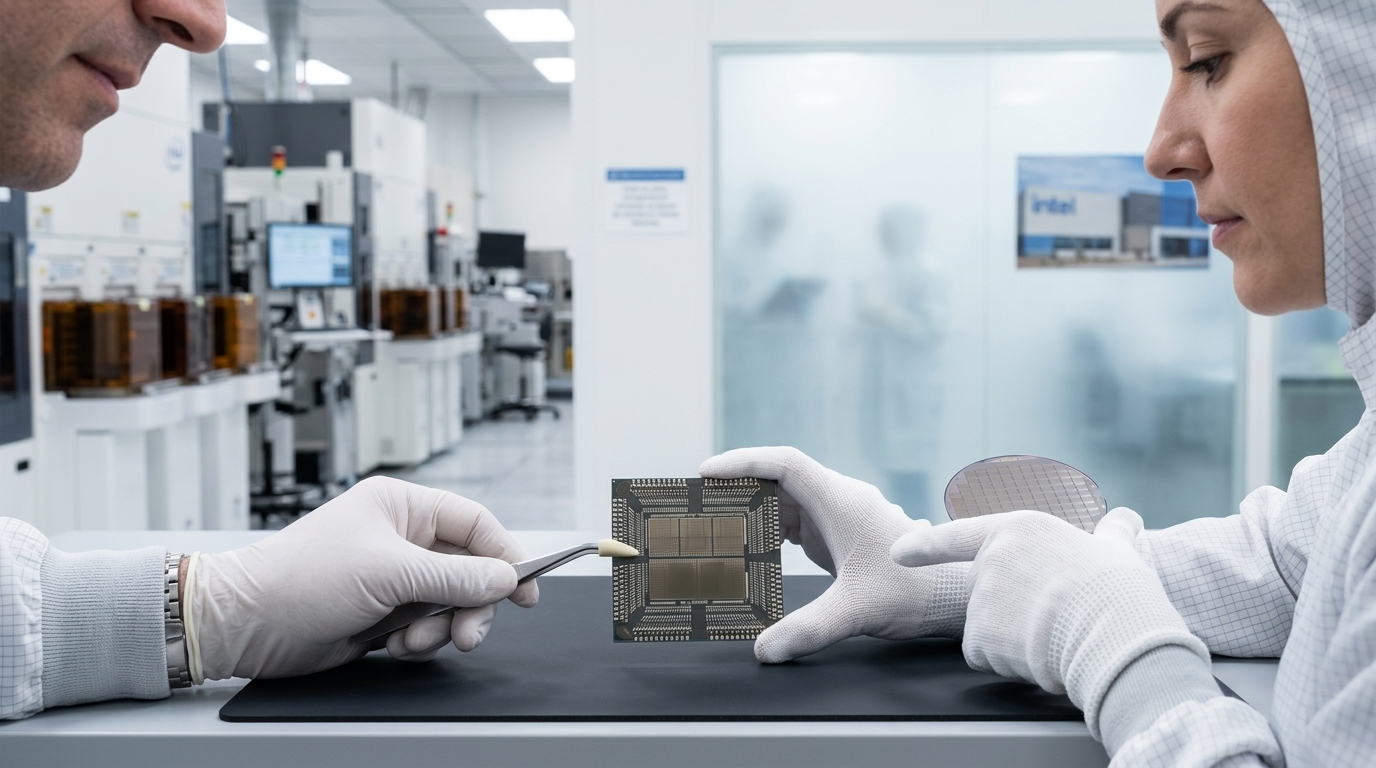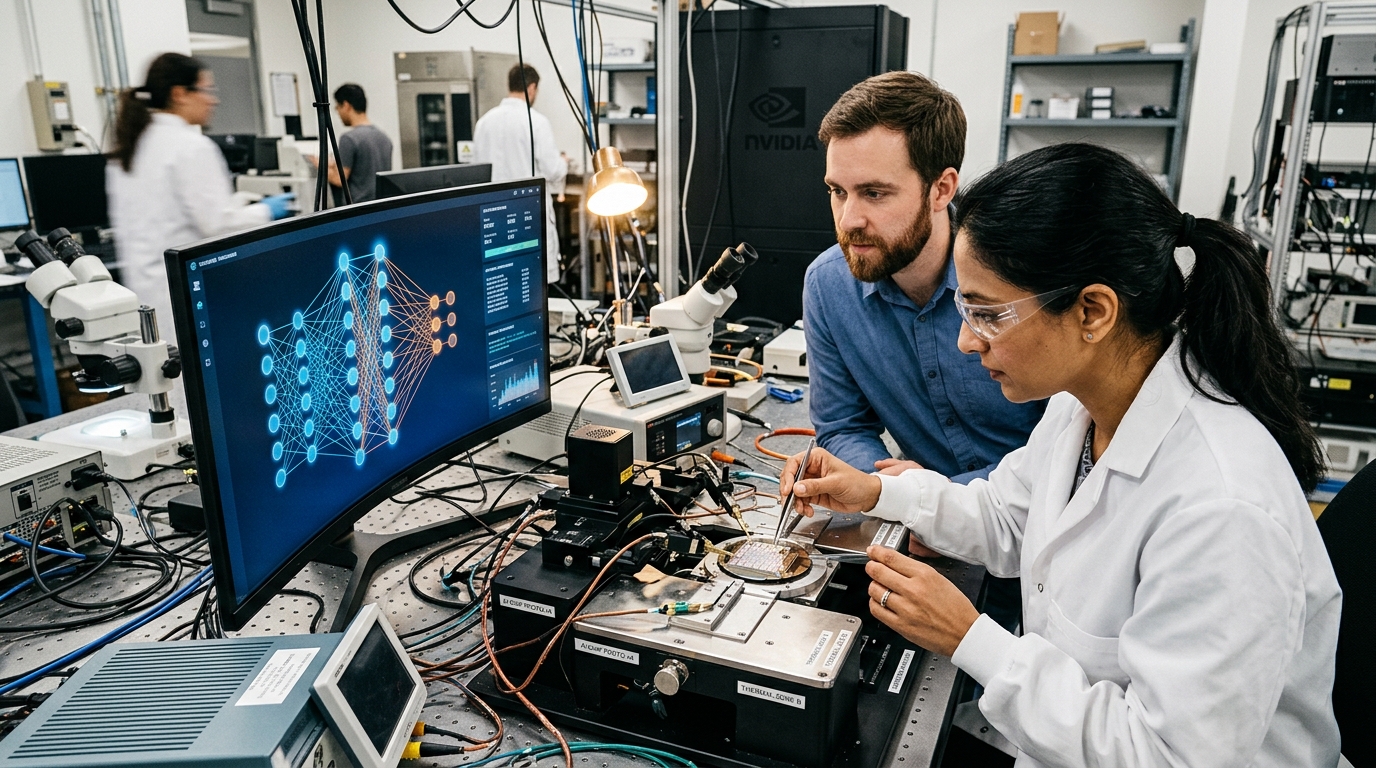
The rapid expansion of Artificial Intelligence is no longer just a matter of code and algorithms; it is evolving into a fundamental materials science challenge. As computing power pushes into new territory, the infrastructure behind it—from semiconductors to data centers—is approaching physical limits in thermal management, electrical efficiency, and reliability.
The Performance Pyramid
According to Mike Finelli, an executive at Syensqo, materials are no longer just supporting AI innovation; they are increasingly defining what is possible. The concept of the "performance pyramid" describes the shift from commodity materials to specialized polymers and fluids capable of withstanding extreme conditions: high temperatures, chemical resistance, and absolute purity.
To meet the demands of modern data centers, several solutions are being developed:
- High-voltage architectures to improve energy efficiency.
- Advanced sealing materials for semiconductor fabrication chambers.
- Direct immersion cooling systems using dielectric fluids.
From Electric Vehicles to Data Centers
An intriguing aspect of this evolution is the cross-industry transfer of knowledge. Materials originally developed for electric vehicle batteries and power systems are now finding applications in AI infrastructure. The requirements for managing high energy density and heat are nearly identical, allowing for the faster adoption of proven solutions.
The Virtuous Circle of Discovery
Simultaneously, AI itself is transforming the way new materials are discovered. Through digital AI agents, scientists can virtually synthesize millions of molecular combinations, predicting their performance and sustainability before they ever reach the lab. This creates a feedback loop: AI helps create better materials, which in turn enable the construction of more powerful AI, further accelerating scientific research.