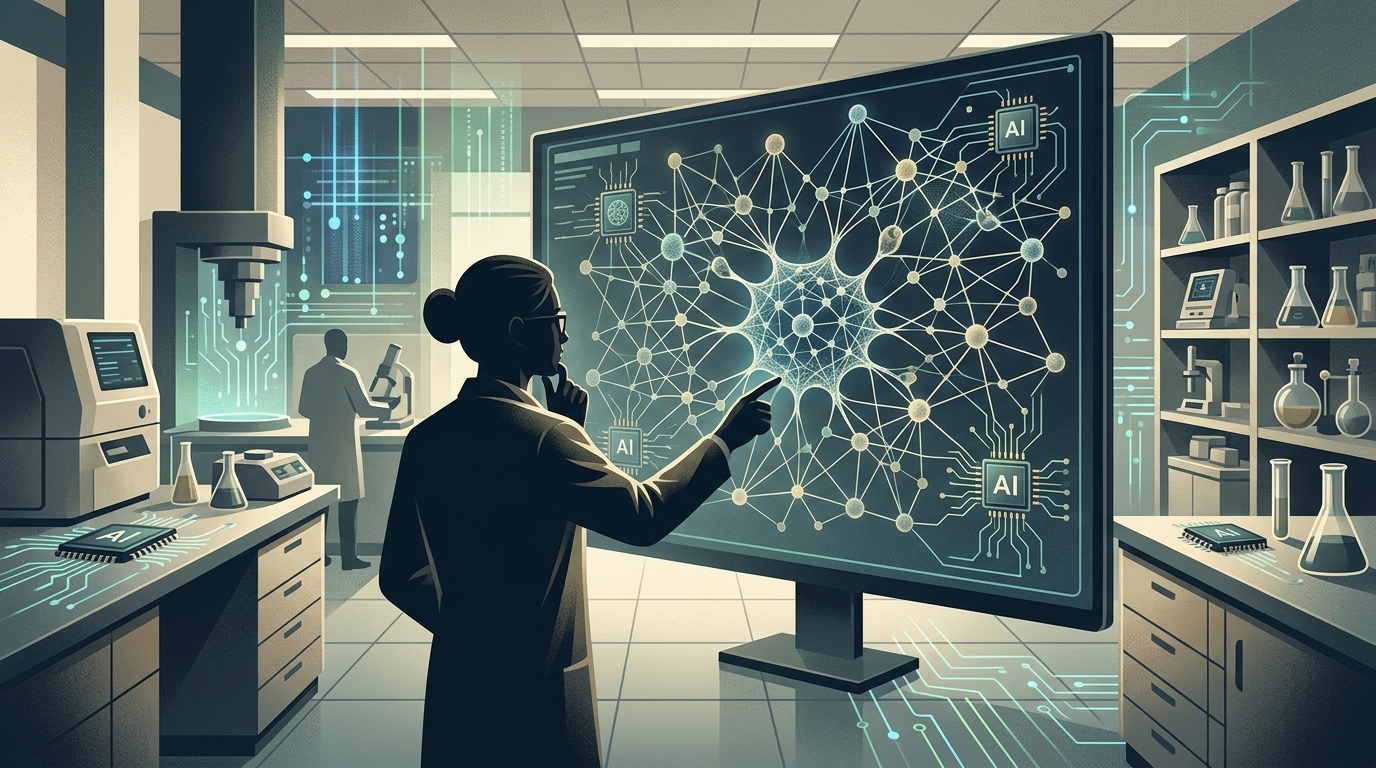
In an era where traditional pharmaceutical research often hits the walls of exorbitant costs and low success rates, Boehringer Ingelheim has decided to place its bets on digital intelligence. The recent announcement of its partnership with Immunai, a pioneer in the field of AI and single-cell genomics, for a $15 million upfront payment, marks a significant strategic shift for the German giant. This deal is not merely a software purchase; it is a gateway to one of the most sophisticated "maps" of the human immune system in existence today.
The AMICA Platform: A Data Revolution
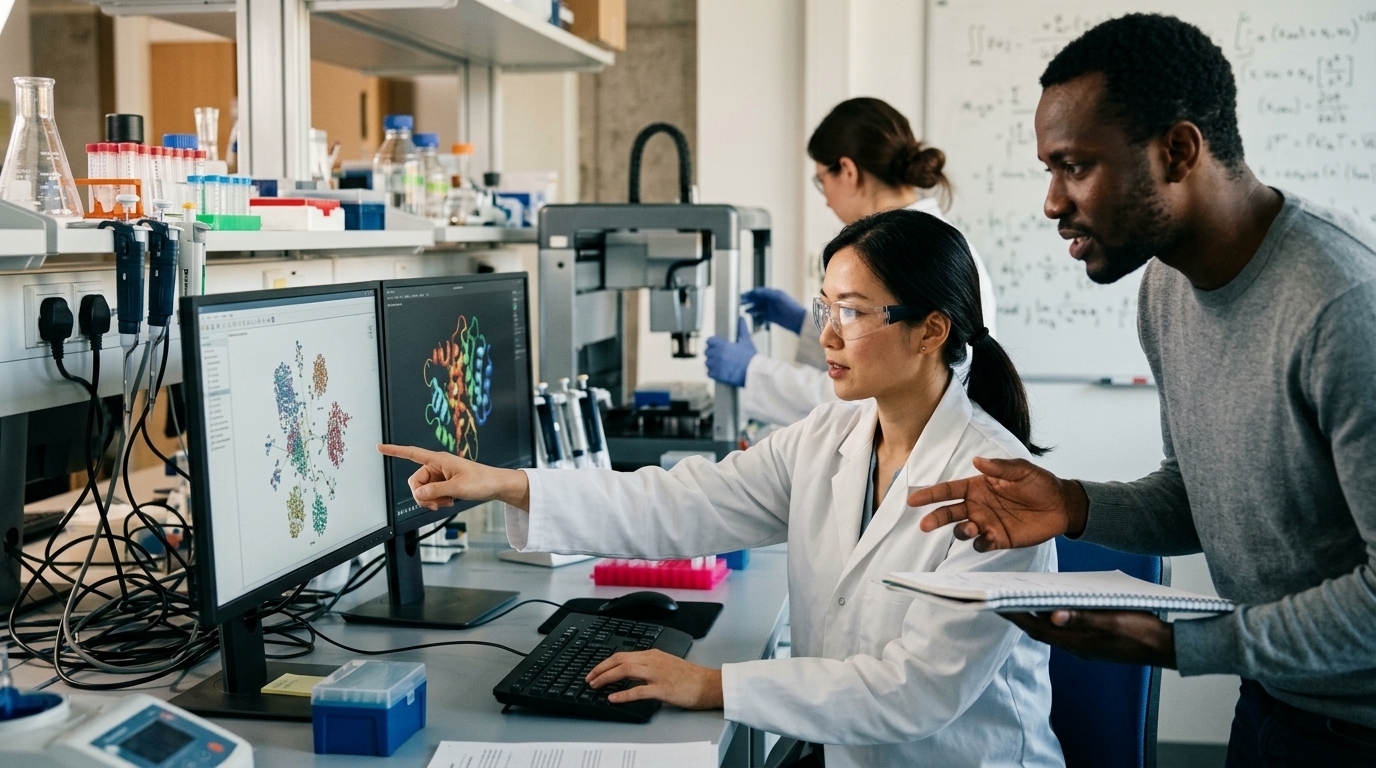
At the core of this collaboration lies Immunai’s AMICA (Annotated Multi-omic Immune Cell Atlas) platform. This is a massive database that merges single-cell genomics with clinical data, allowing researchers to observe how the immune system reacts at the level of an individual cell. Traditional blood or tissue analysis methods often provided a "mean value" of cells, obscuring critical nuances. Immunai, by leveraging AI, can isolate and analyze the behavior of billions of cells, identifying patterns that the human eye—or traditional algorithms—would simply miss.
For Boehringer Ingelheim, this translates to faster identification of new therapeutic targets, particularly in oncology and immune-modulated diseases. The ability to predict how a patient will respond to a new therapy before it even enters clinical trials could save billions of dollars and, more importantly, years of waiting for patients in need.
The Big Pharma Strategy and AI Integration
Boehringer’s move is not an isolated event. It follows in the footsteps of other industry titans like Roche, Sanofi, and AstraZeneca, which have invested billions into AI discovery partnerships. The challenge for Big Pharma is the infamous "Valley of Death": the stage between laboratory discovery and clinical approval, where 90% of drug candidates fail. AI promises to "de-risk" this process by providing a higher level of certainty early on.
- Time Reduction: Target discovery can be slashed from years to months.
- Precision: Targeting specific cellular subpopulations responsible for disease progression.
- Personalization: Developing drugs that resonate with specific biological profiles.
"Our collaboration with Immunai allows us to navigate the complexity of the immune system with unprecedented precision," stated a Boehringer executive, highlighting the importance of the digital transition in modern medicine.
Challenges and the Future of Pharmaceutical R&D
Despite the prevailing optimism, several questions remain. The heavy reliance on AI raises concerns regarding the quality of training data. If Immunai’s datasets are not sufficiently representative of the global population, the algorithms might produce biased results. Furthermore, there is a socio-economic question: if AI successfully reduces R&D costs, will we see a corresponding decrease in drug prices for the end consumer?
In conclusion, the Boehringer-Immunai deal is a testament to the fact that biology is rapidly becoming a data science. In the near future, a pharmaceutical company's value will not be measured solely by its physical laboratories, but by the sophistication of its algorithms and the depth of its digital libraries. The battle against cancer and autoimmune diseases is now being fought as much in supercomputers as it is under microscopes.