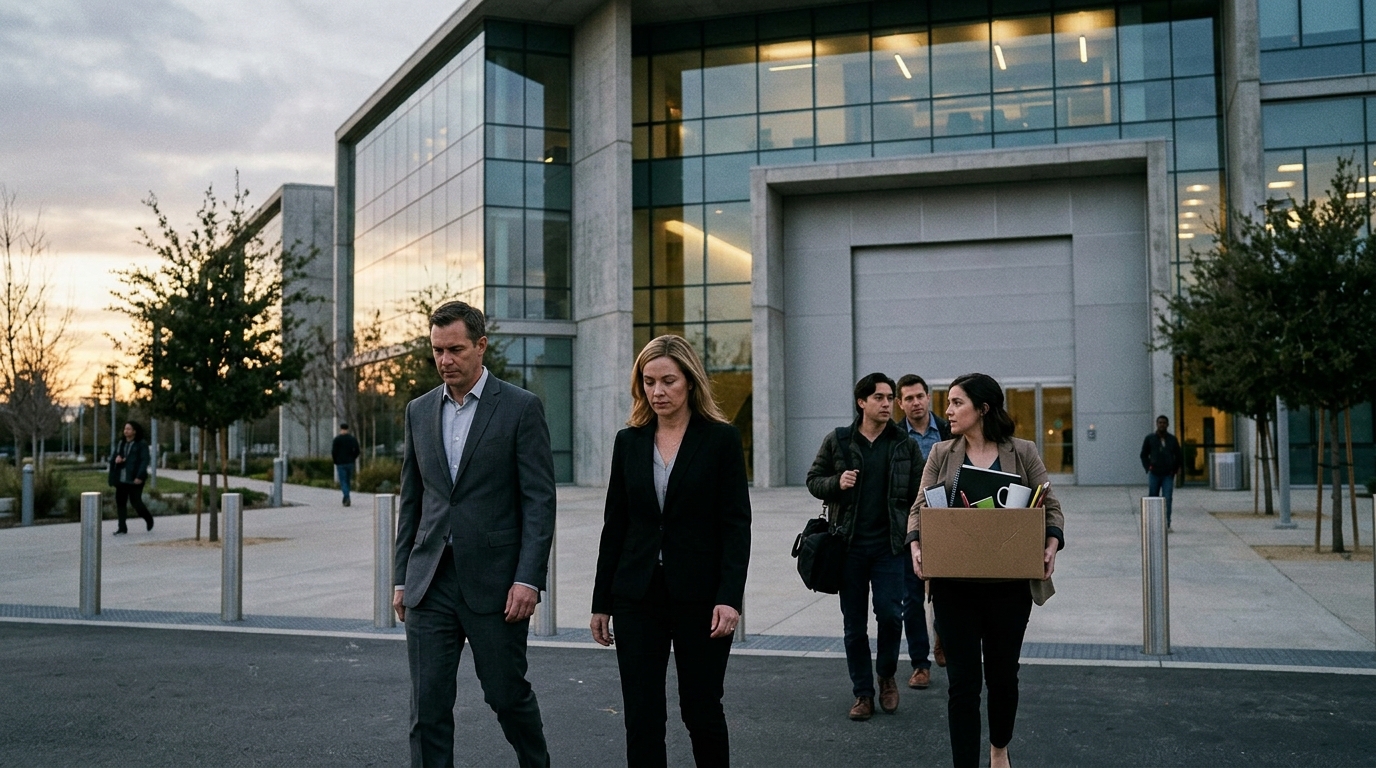
In the contemporary business landscape, where 'efficiency' has become the ultimate corporate mantra, Oracle Corporation is writing one of the most controversial chapters in its storied history. The revelation that the tech giant cut approximately 21,000 jobs within a single fiscal year has not only sent shockwaves through the labor market but has also ignited a broader debate about the role of Artificial Intelligence (AI) as a primary driver of job displacement. Under the leadership of Larry Ellison and Safra Catz, the company has not shied away from linking these cuts to increasing automation and the integration of AI tools that render entire departments redundant.
The Strategy of 'Creative Destruction'
Oracle is no ordinary company; it is the backbone of global database management. Its transition to the cloud was arduous and perceived by many as late, but its current pivot toward AI is nothing short of aggressive. The 21,000 layoffs represent a significant portion of its workforce, and the fact that these occurred during periods of profitability suggests a deep structural shift. The company maintains that AI allows for the execution of tasks that previously required thousands of human hours, particularly in customer support, data management, and sales operations.
However, industry analysts point out that behind the AI smokescreen lies the complex integration of Cerner, the health tech firm Oracle acquired for $28 billion. Merging two such massive entities invariably creates redundancies. The pressing question is whether AI is being used as a convenient scapegoat to justify moves aimed solely at satisfying shareholders and padding profit margins. This 'technological inevitability' narrative serves to deflect criticism from management decisions.
AI-Washing: Technology as a Pretext?
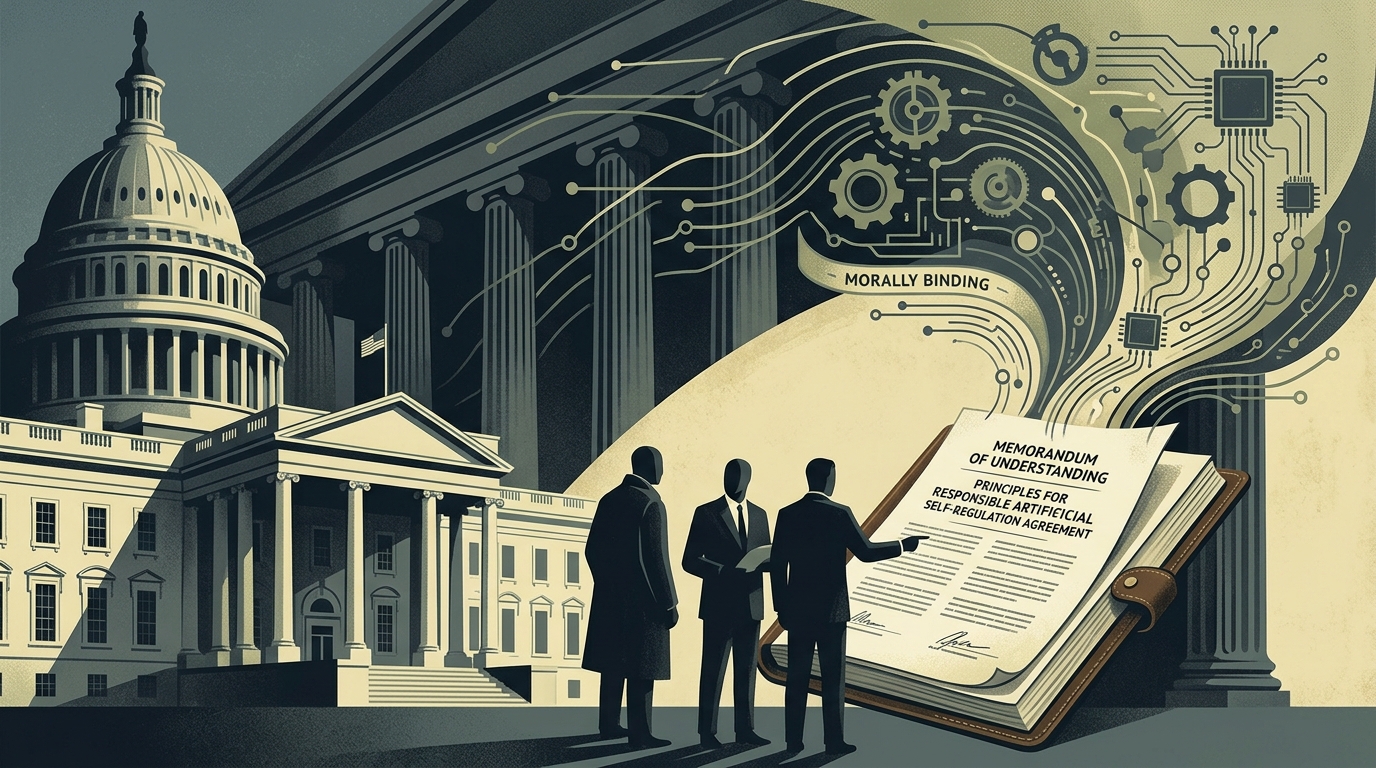
'AI-washing' typically refers to companies exaggerating the AI capabilities of their products. In the context of layoffs, we are witnessing a new iteration: using AI to depoliticize termination. If an employee is fired because of a strategic failure, there is accountability. If they are let go because 'technology evolved,' the responsibility is shifted to an unavoidable force of nature. Oracle appears to be a pioneer in this tactic, presenting itself as a 'lean' machine that no longer requires the 'human overhead' of the past.
- Operational cost reduction via automated database management scripts.
- Replacement of entry-level programming roles with Generative AI tools.
- Reorganization of sales departments using algorithmic lead generation and targeting.
These moves have a direct impact on the morale of the remaining workforce. The pervasive sense that the next algorithm could replace you creates a climate of job insecurity not seen in the tech sector since the dot-com bubble burst. It signals a shift from 'human-centric' to 'code-centric' corporate structures.
The Human Impact and Corporate Responsibility
Beyond the spreadsheets and quarterly reports, there are 21,000 individual stories. Many of these employees were professionals with decades of experience. Oracle's shift demonstrates that experience is no longer a safeguard. On the contrary, the high cost of veteran staff makes them prime targets for replacement by cheaper, automated systems. The lack of a robust social safety net for tech workers in the United States further exacerbates the trauma of these mass layoffs.
"This isn't just a market correction. It is a fundamental redefinition of the 'worker' in the digital economy. If Oracle succeeds in this experiment without significant pushback, we will see the same template applied across every Fortune 500 company," says an independent labor economist.
Oracle's stance also raises questions about the future of education. If tech titans no longer need humans for core functions, what is the incentive for the next generation to pursue computer science? Oracle's answer is specialization in AI itself, but the speed at which technology consumes roles is far outstripping the pace at which educational systems can adapt. We are witnessing a decoupling of economic growth from employment growth.
Conclusion: A Dangerous Precedent
Oracle, under Ellison’s tenure, has always operated with a philosophy that many describe as 'predatory.' This latest move, however, transcends mere corporate competition and enters the realm of social engineering. By using AI as a shield, the company has executed one of the largest purges in its history, sending a clear message: In the era of the autonomous database, the human is the most expensive system error. Whether this leads to a more profitable Oracle is certain; whether it leads to a sustainable tech industry remains the defining question of 2026.