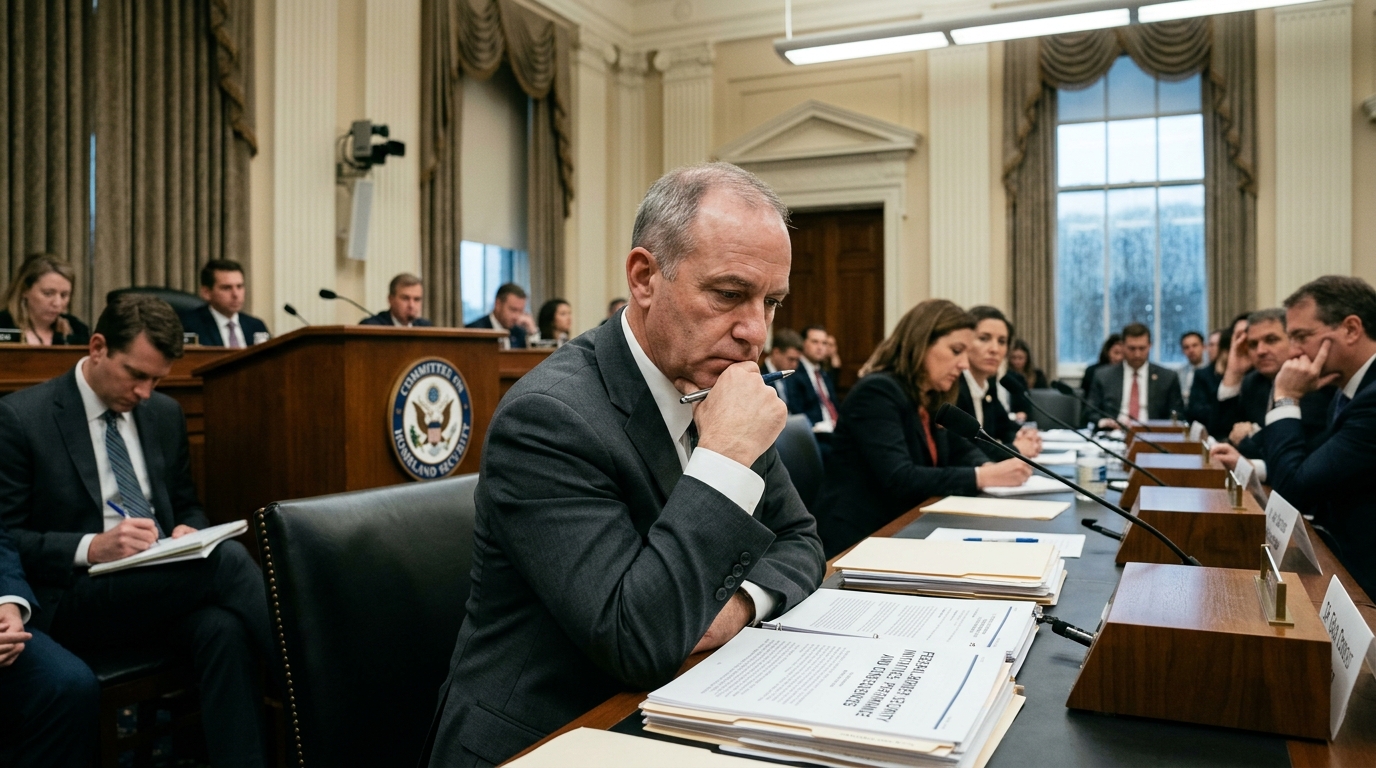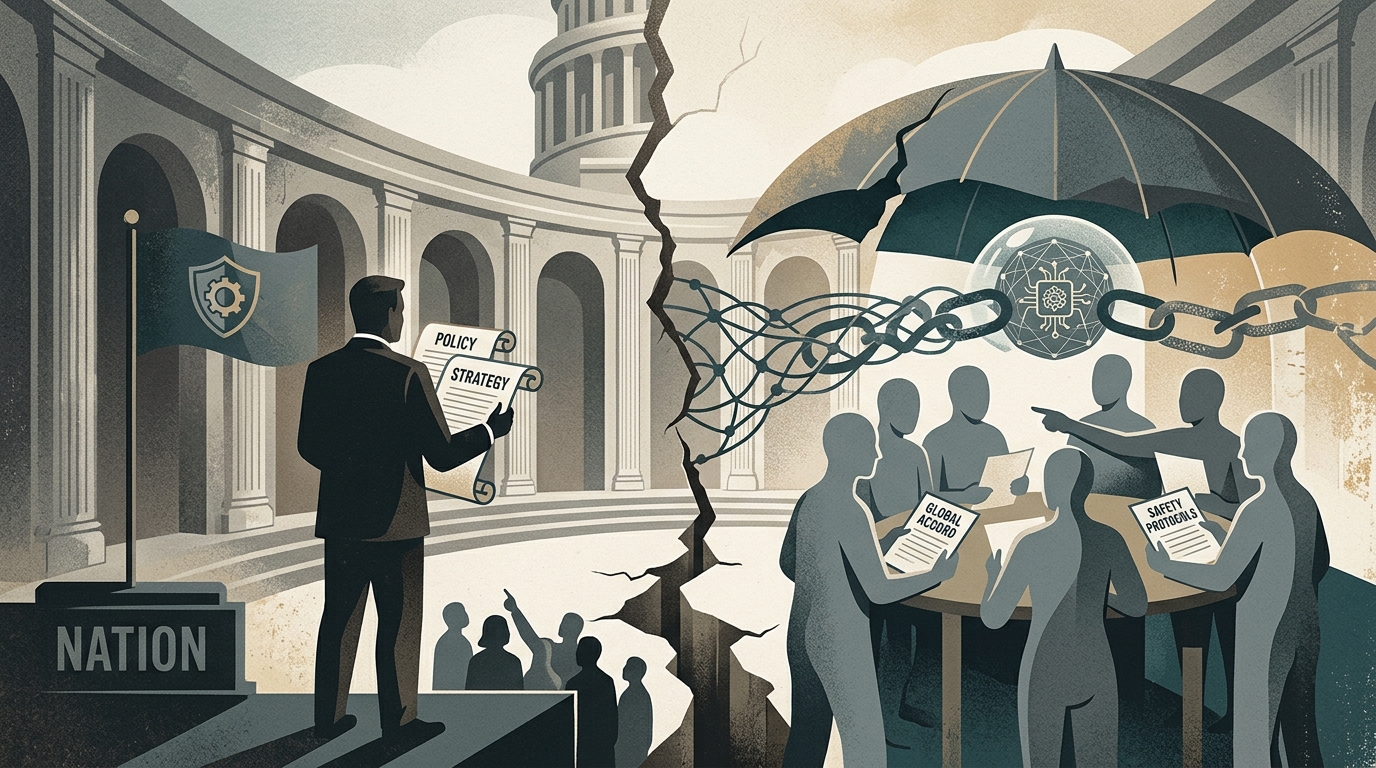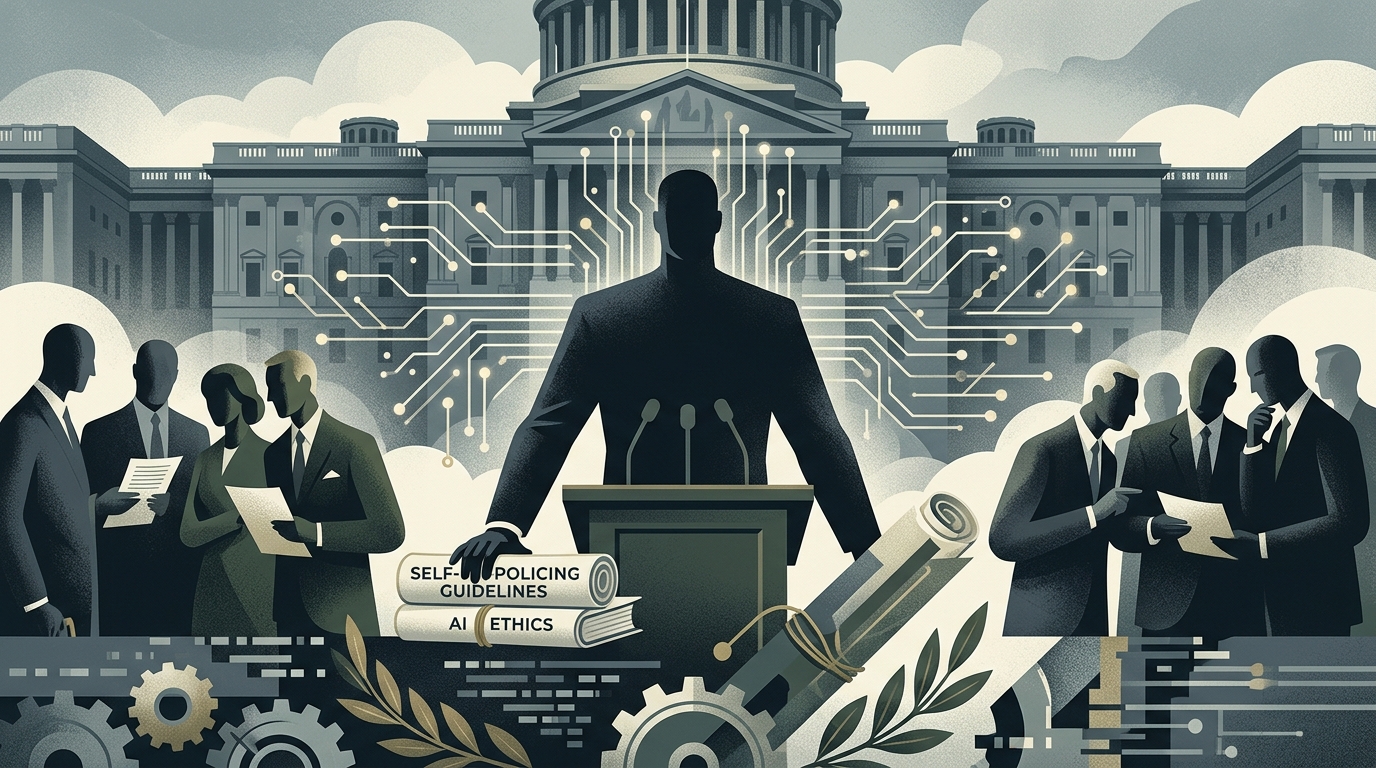
President Donald Trump announced on Tuesday that he and a coalition of artificial intelligence leaders have signed a voluntary accord that includes internal and external reviews of the technology. Speaking outside the West Wing following a White House meeting, Trump noted that he is seeing "tremendous self-policing" within the industry.
No Limits on Growth
The President promised that the U.S. government would not stifle the development of AI, despite calls for caution from some executives. “I will never stifle the growth of a technology that will be bigger than the industrial revolution,” Trump said at the unveiling of America.gov, an AI chatbot intended to help citizens navigate government services, such as online passport applications.
The high-profile lunch included Dario Amodei (CEO of Anthropic), Greg Brockman (President of OpenAI), Jeff Bezos (Amazon), and Elon Musk. According to a seating chart posted by the President, Nvidia CEO Jensen Huang sat to Trump’s right, while Musk sat to his left. Other attendees included Sundar Pichai (Google), Mark Zuckerberg (Meta), and Satya Nadella (Microsoft).
Safety Concerns vs. Strategic Dominance
Trump’s bullish stance contrasts with alarms sounded by executives like Amodei and OpenAI's Sam Altman, who have recently called for safety measures to catch up with rapid development. While Altman noted on CNBC that his company is "pacing" progress and sometimes halting models for safety, others like Huang and Zuckerberg have downplayed concerns about runaway AI.
Trump framed the AI race as a binary global competition with China. “We’re leading by a lot,” he stated, expressing reluctance to cooperate extensively with Beijing because the U.S. currently holds the advantage. He insisted on referring to the technology as "super intelligence" rather than artificial intelligence.
Community Support for Infrastructure
Addressing the bipartisan opposition to the proliferation of data centers, Trump said executives agreed to provide more financial support to local communities, such as funding schools or reducing energy costs. He warned that if local opposition continues, these critical facilities might be forced to move to overseas locations.