All over the world, a slow and insidious change is occurring in the livers of more than a billion people. While fat presence in a healthy liver is negligible, many adults and children now have livers where fat exceeds 5 to 10 percent of the organ's total weight, leading to inflammation and fibrosis.
The Challenge of a Silent Condition
Fatty liver disease now affects approximately 30 percent of adults worldwide. The primary danger lies in its asymptomatic nature; three-quarters of patients are only diagnosed once their condition becomes life-threatening, such as during cases of cirrhosis. However, liver damage is highly reversible in its early stages through lifestyle changes or novel treatments like semaglutide and resmetirom.
AI at the Forefront of Detection
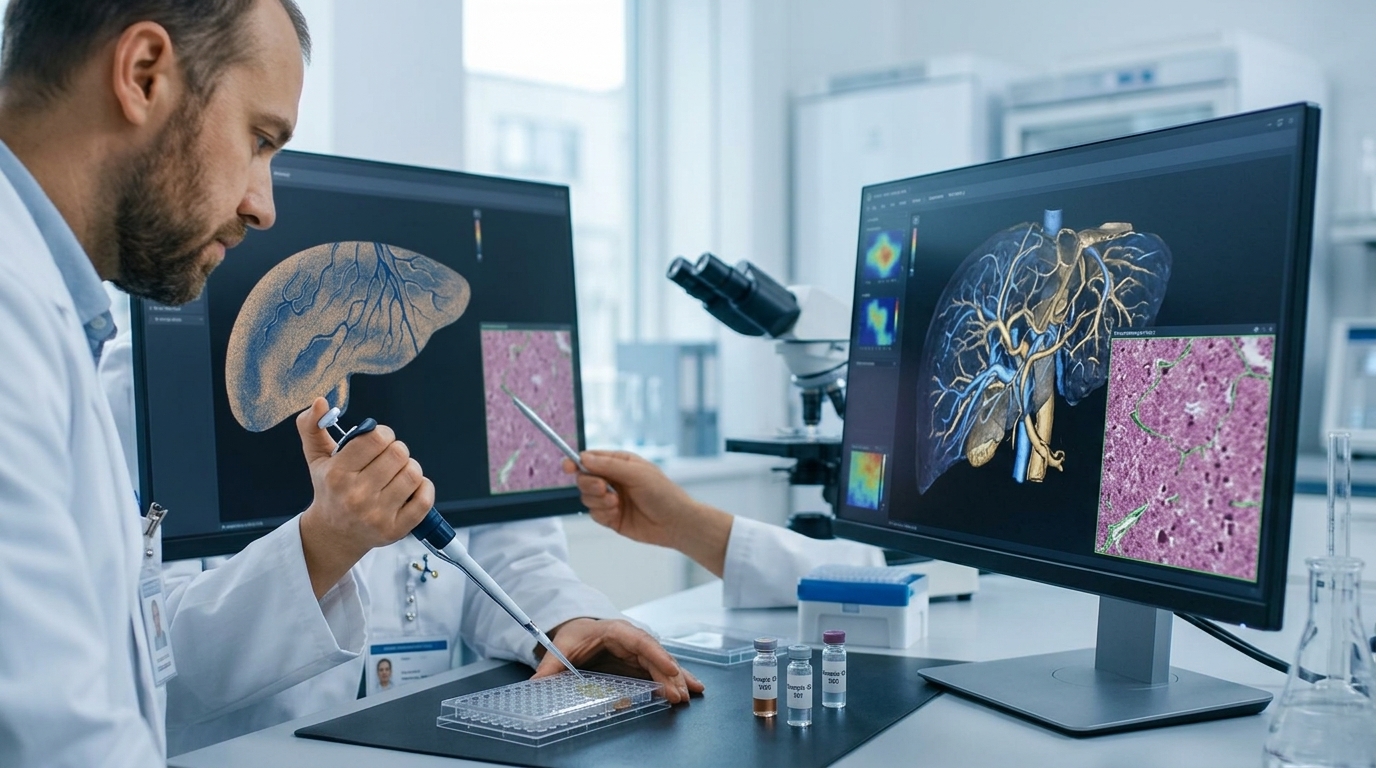
Researchers, including Professor Jeffrey Lazarus of the CUNY Graduate School of Public Health, suggest that AI tools could comb through vast electronic health records to pinpoint high-risk individuals. AI can retrospectively analyze hospital visits and lab reports to prioritize those most at risk.
- X-ray Analysis: A study by Osaka Metropolitan University found that AI models could identify fatty liver disease from routine chest X-rays with 82 percent accuracy.
- Advanced Algorithms: Tools like LiverPRO, developed by Evido in partnership with Roche, use nine blood-based biomarkers and have been shown to outperform traditional screening methods like the Fib-4 index.
- Treatment Optimization: The ALADDIN algorithm helps physicians identify which patients would benefit most from specific drugs without requiring invasive biopsies.
By automating calculations and analyzing routine data in the background, AI could alleviate the administrative burden on primary care physicians, acting as a "smarter first pass" to catch moderate-risk patients before they require expensive interventions like liver transplants.