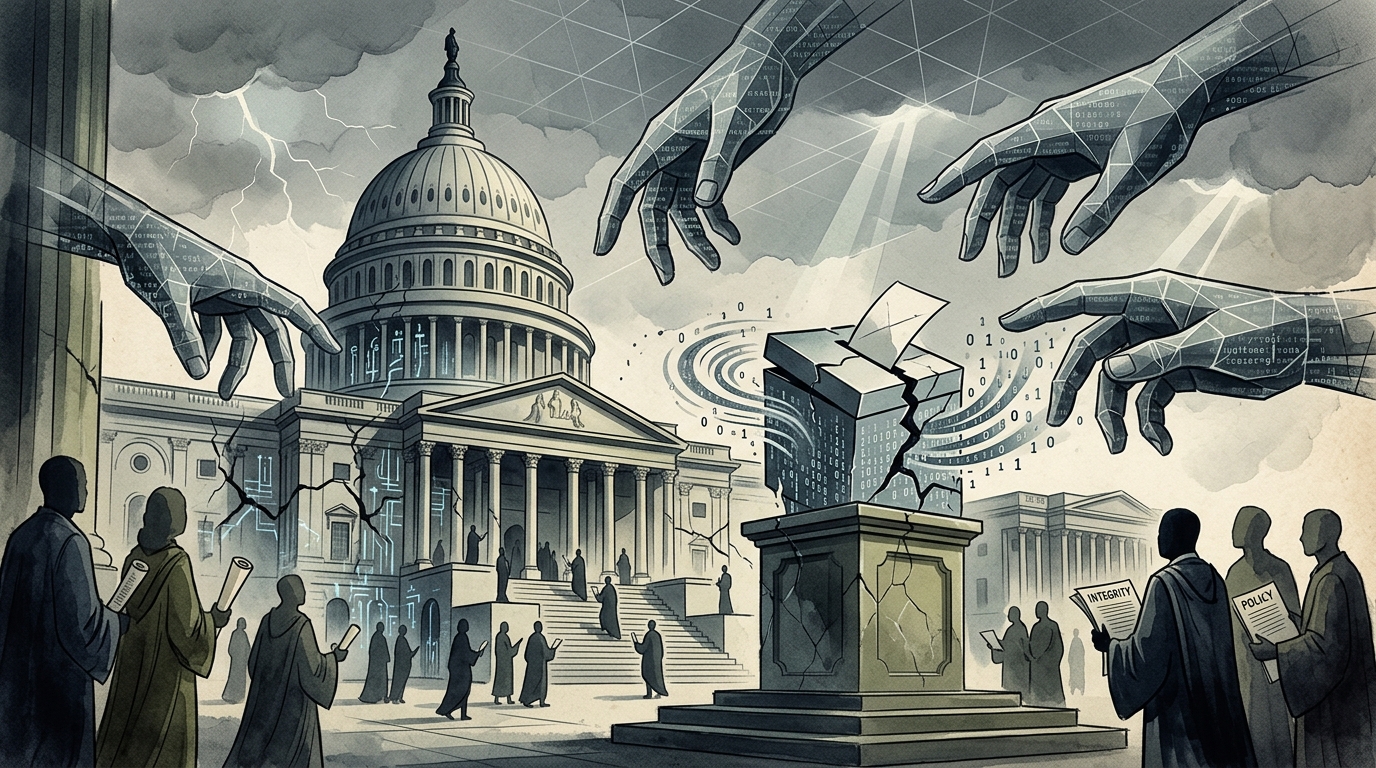
For over a decade, WhatsApp has been inextricably linked to a single identifier: our mobile phone number. This connection, while practical for quickly finding contacts, has served as a persistent back door to user privacy. Today, Meta is making a historic pivot by introducing usernames—a change that promises to reshape the digital communication landscape while simultaneously igniting a fierce confrontation with governments seeking absolute control over information.
The Anonymity Revolution in Communication
The introduction of usernames on WhatsApp is not merely an aesthetic upgrade; it is a fundamental shift in the platform's architecture. Until now, for someone to communicate with you, they had to possess your mobile number—a piece of data linked to bank accounts, government services, and sensitive personal information. The new feature allows users to choose a unique username, which will serve as their public identity, keeping their phone number hidden from strangers or members of large group chats.
This move aligns WhatsApp with other Meta platforms like Instagram and Messenger, as well as its major competitor, Telegram. However, the difference lies in the scale. With billions of users worldwide, the transition to usernames creates a "digital gold rush," as users scramble to secure their names before they are taken by others or by malicious actors seeking to impersonate them.
The Geopolitical Standoff with India
While the West hails this move as a victory for privacy, clouds are gathering in the East. India, WhatsApp's largest market with over 500 million users, is on a collision course with Meta. The Indian government, citing national security and the fight against misinformation, demands "traceability." They want to know who originated a message that could potentially cause social unrest.
The introduction of usernames, combined with end-to-end encryption, makes such surveillance nearly impossible. Meta has stated clearly that if forced to break encryption or undermine user anonymity, it would rather exit the Indian market. This is a high-stakes game where freedom of speech clashes with state surveillance, and the outcome will set a global precedent for the internet.
Business Strategy and Security Implications
Beyond privacy, Meta sees a massive opportunity for WhatsApp Business in usernames. Businesses will now be more easily discoverable through name searches, without the customer needing to save a phone number. This facilitates in-app e-commerce, transforming WhatsApp from a simple messaging tool into a "super-app" modeled after China's WeChat.
However, the transition carries risks. Cybersecurity experts warn of "username squatting"—where individuals register names of famous personalities or companies to defraud users. Meta will need to develop robust verification mechanisms to ensure that this new freedom does not turn into a tool for phishing attacks and social engineering.
Conclusion: The Digital Identity of the Future
Eliminating the necessity of the phone number marks the coming of age for WhatsApp. It is an admission that in the digital age, our mobile number is too precious to be shared freely. For users, the message is clear: protecting privacy requires vigilance. Securing your username is no longer just a technicality; it is an act of digital self-defense in a world hungry for our data.