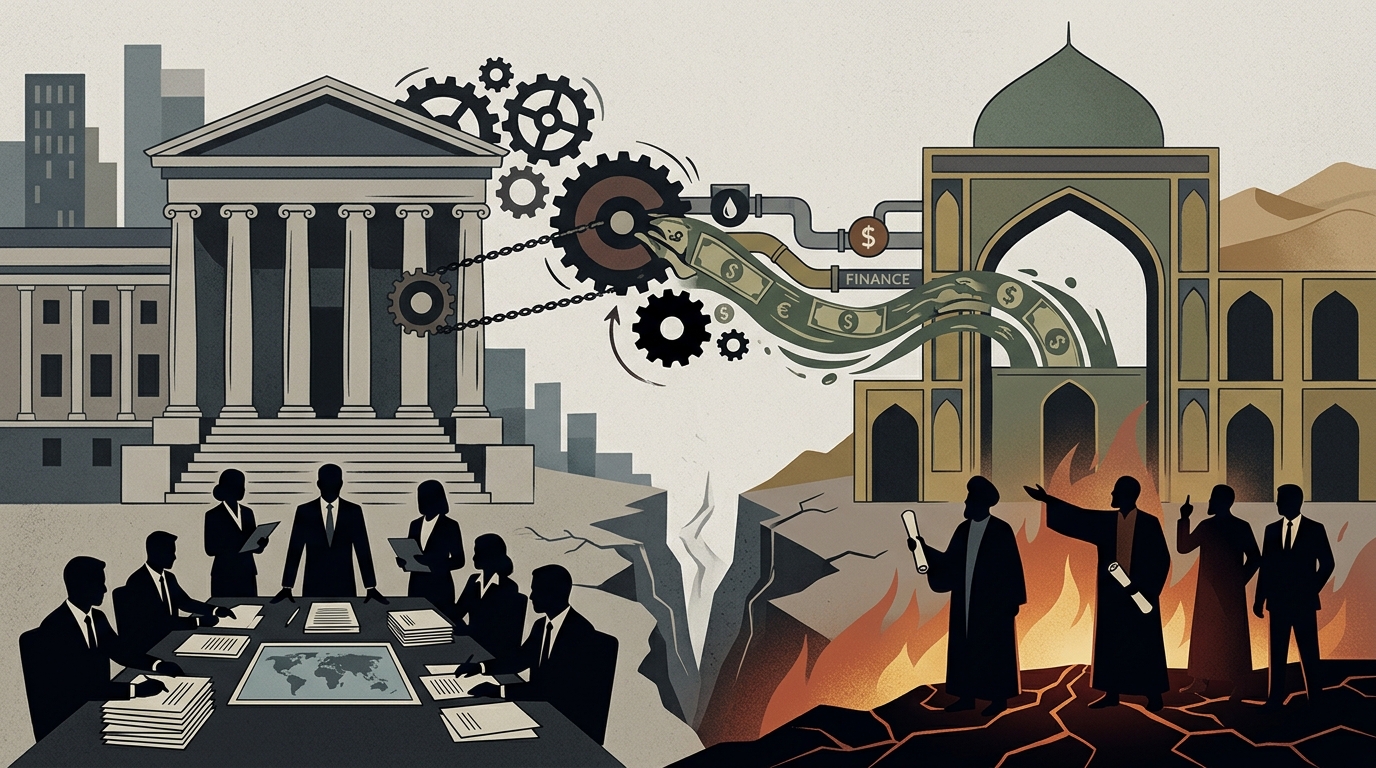
Tensions between Washington and Tehran are reaching a critical point as U.S. Treasury Secretary Scott Bessent is expected to announce new, "unprecedented" economic warfare measures against Iran on Monday. These measures aim to deepen the isolation of an Iranian economy that has already functioned under sanctions for decades.
Tehran’s Warning
Mohsen Rezaei, the newly appointed head of Iran’s Supreme National Security Council, warned that any nation supporting the new U.S. measures would be committing an "act of war." Rezaei stated that Iran would retaliate in a "seismic manner," threatening to target oil-shipping routes in the Persian Gulf as alternatives to the Strait of Hormuz.
Conversely, Iranian President Masoud Pezeshkian defended a memorandum of understanding with the U.S. as the best path out of the current stalemate of "neither war nor peace." Pezeshkian noted that Tehran has struggled to attract investment since the conflict began six months ago, while insisting the agreement does not amount to capitulation.
Maritime and Diplomatic Movements
In the Strait of Hormuz, while active attacks have paused, posturing remains intense. Iran’s recently established Persian Gulf Strait Authority has blacklisted dozens of vessels for future restrictions or seizures. Amidst the tension, Pakistan’s army chief, Field Marshal Asim Munir, is scheduled to visit Tehran on Monday as part of regional efforts to revive negotiations.
Domestic Executions and Wider Violence
Domestically, Iranian authorities executed Majid Adineh, who was arrested during protests earlier this year on charges of espionage and cooperation with hostile states. Meanwhile, violence persists in the West Bank and Gaza, with reports of civilian casualties, including children, from Israeli strikes, alongside arrests linked to settler violence and stabbing attacks.