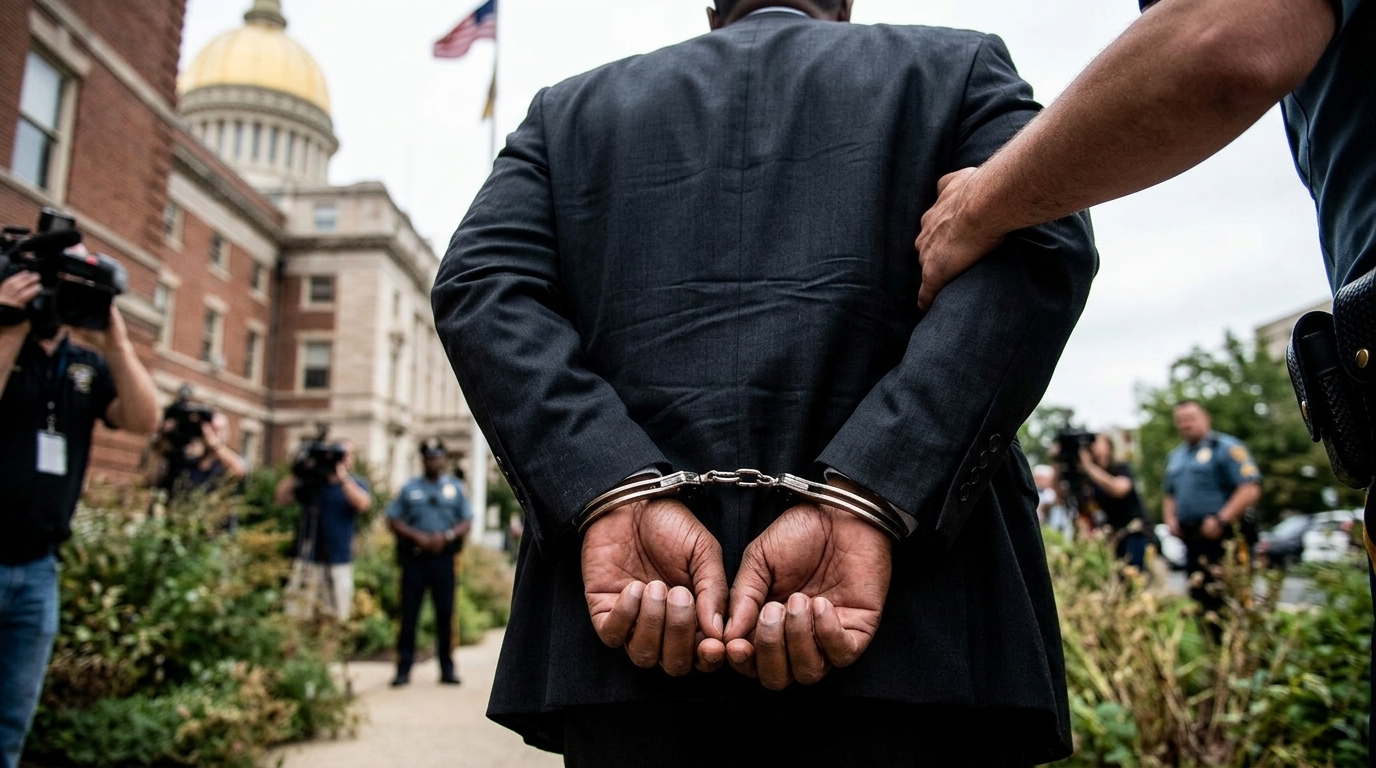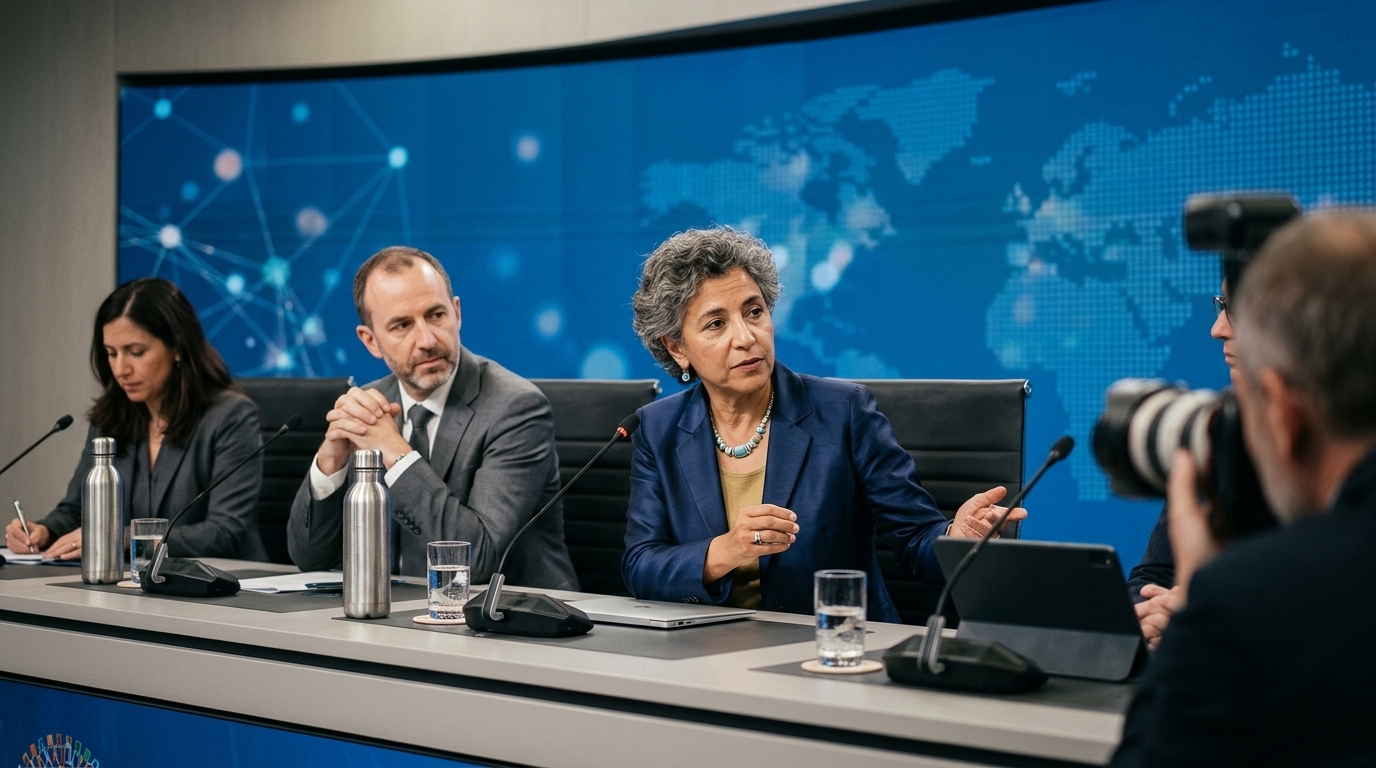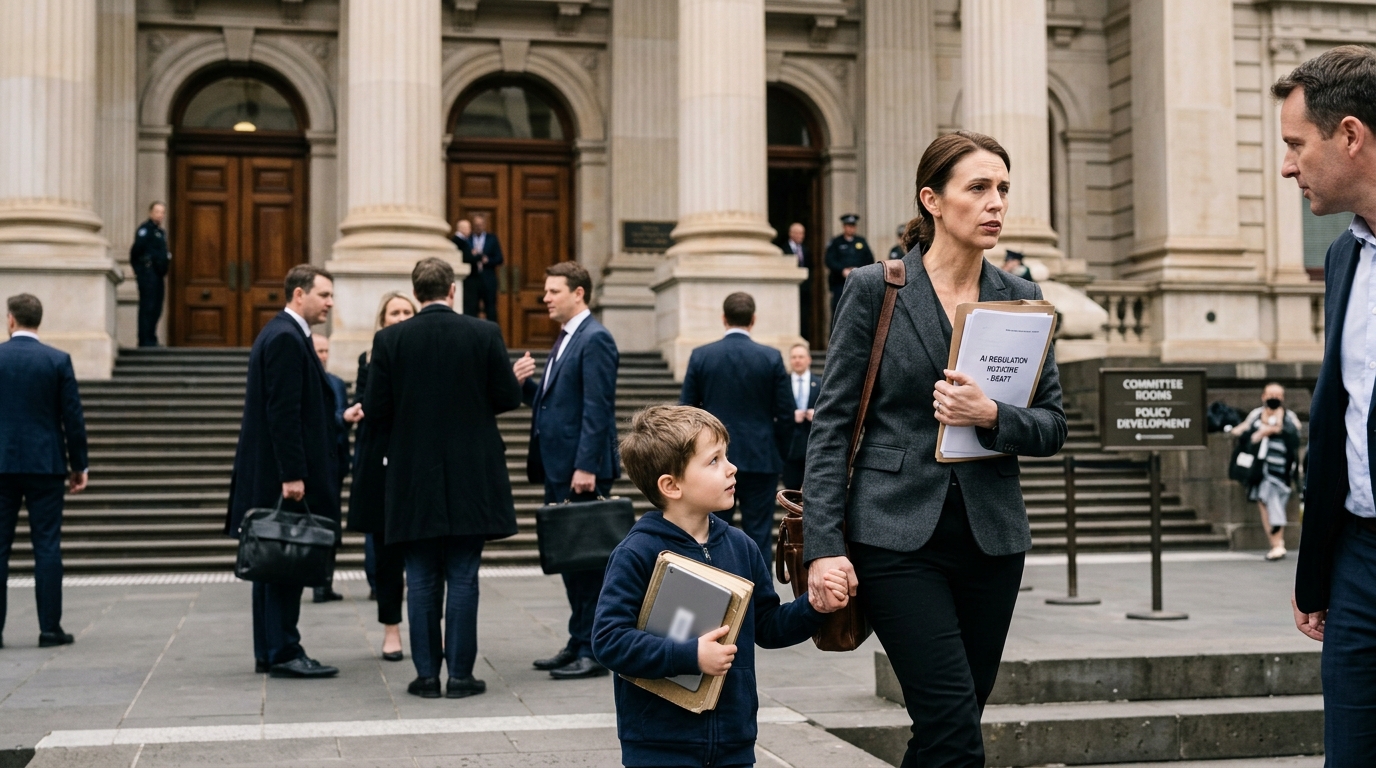
As of June 15, 2026, the global community stands at a critical juncture. The rapid integration of Generative AI into platforms used daily by minors has birthed a new landscape of risks that traditional privacy laws are ill-equipped to handle. From deepfakes targeting students in classrooms to algorithms designed to maximize neurochemical addiction, the need for a robust regulatory framework has never been more urgent.
The Legislative Counteroffensive: KOSA and COPPA 2.0
In the United States, the discourse has shifted toward a fundamental overhaul of digital safety standards. The Kids Online Safety Act (KOSA) and the modernization of the Children’s Online Privacy Protection Act (COPPA 2.0) represent the spearhead of this movement. Lawmakers are attempting to impose a "duty of care" on tech companies, legally requiring them to design products with child safety as a core architectural principle rather than an afterthought.
However, resistance from Silicon Valley remains formidable. Under the banner of protecting free speech and fostering innovation, many tech giants argue that strict mandates could lead to mass censorship or exclude teenagers from essential educational tools. Yet, the reality on the ground suggests that without these guardrails, children remain exposed to AI-curated content that promotes self-harm, eating disorders, and financial exploitation via sophisticated conversational agents.
New Frontiers of Risk: Deepfakes and Algorithmic Manipulation
The primary challenge of our era is no longer just data harvesting, but content generation. The ease with which realistic yet fraudulent imagery and video (deepfakes) can be created has led to an epidemic of digital bullying within schools. Furthermore, AI systems engineered to keep users "hooked" are now utilizing precision psychological profiling to influence minor behavior in ways previously unimaginable.
- The proliferation of non-consensual AI-generated explicit imagery.
- Chatbots masquerading as peers or mentors to harvest sensitive personal data.
- Recommendation engines that amplify dangerous viral challenges to boost engagement metrics.
The European Union, through its landmark AI Act, has already laid some groundwork by categorizing certain AI applications as "high risk" when they involve minors. Nevertheless, translating these legal abstractions into technical enforcement remains a complex task requiring unprecedented international cooperation.
Beyond Legislation: The Imperative of Digital Literacy
While laws are indispensable, experts warn they are not a panacea. Technology consistently outpaces the slow wheels of bureaucracy. The solution, according to many educators and psychologists, lies in digital literacy. Children must be taught from a young age how to discern AI-generated content and how to safeguard their digital persona.
"We cannot simply build walls around the internet. We must provide children with the compass to navigate it safely," say advocates from leading civil society organizations.
The race to protect children from AI is, in essence, a battle for the future of childhood itself. In a world where the boundary between the physical and the digital is increasingly porous, ensuring a safe environment for development is the defining challenge of our generation.