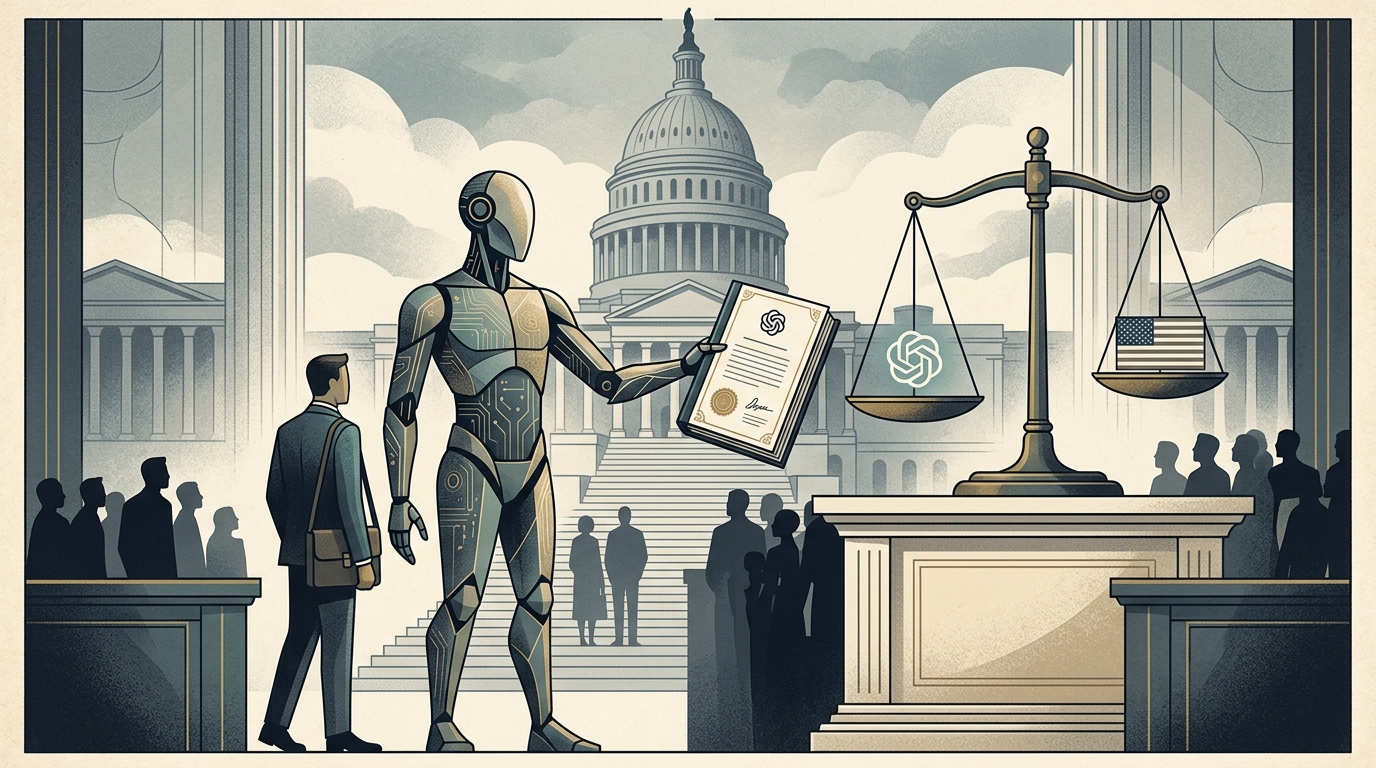
In a move that reads more like a geopolitical manifesto than a corporate pitch, OpenAI, the creator of ChatGPT, has reportedly proposed granting the United States government a 5% stake in its future operations. This proposal, unveiled during high-level discussions regarding the massive 'Stargate' infrastructure project, signals a radical shift in how tech giants perceive their relationship with the state. It is not merely a quest for funding; it is a calculated attempt to align the interests of artificial intelligence with U.S. national security and economic hegemony.
The Stargate Project and the Energy Imperative
The 5% stake offer did not emerge in a vacuum. It is intrinsically linked to CEO Sam Altman’s vision for constructing gargantuan data center clusters, estimated to cost hundreds of billions of dollars. This project, codenamed 'Stargate,' requires more than just capital—it demands an unprecedented amount of electrical power, enough to sustain entire metropolises. OpenAI understands that the primary bottlenecks to its growth are not just algorithmic, but physical: land, energy, and regulatory red tape.
By offering a stake to the government, OpenAI seeks to transform the state into a primary stakeholder. In doing so, the company hopes to bypass bureaucratic hurdles for next-generation nuclear reactors, secure preferential access to land, and soften the stance of antitrust regulators. This strategy echoes historical precedents like the Manhattan Project or the Apollo space program, where private innovation and state power fused to achieve a singular national objective. Altman is essentially arguing that AGI is the new space race, and the U.S. cannot afford to let the private sector run it alone—or at least, not without the state's full backing.
AI as a National Security Asset
At the heart of this proposal lies the intensifying rivalry with China. Altman has repeatedly asserted that whichever nation dominates Artificial General Intelligence (AGI) will dictate the global order of the 21st century. OpenAI is positioning itself as the 'national champion' of the United States, suggesting that maintaining a lead in AI is an existential necessity for the West. The 5% stake serves as a guarantee that the company’s technology will remain under American influence and be utilized to bolster democratic values and national defense.
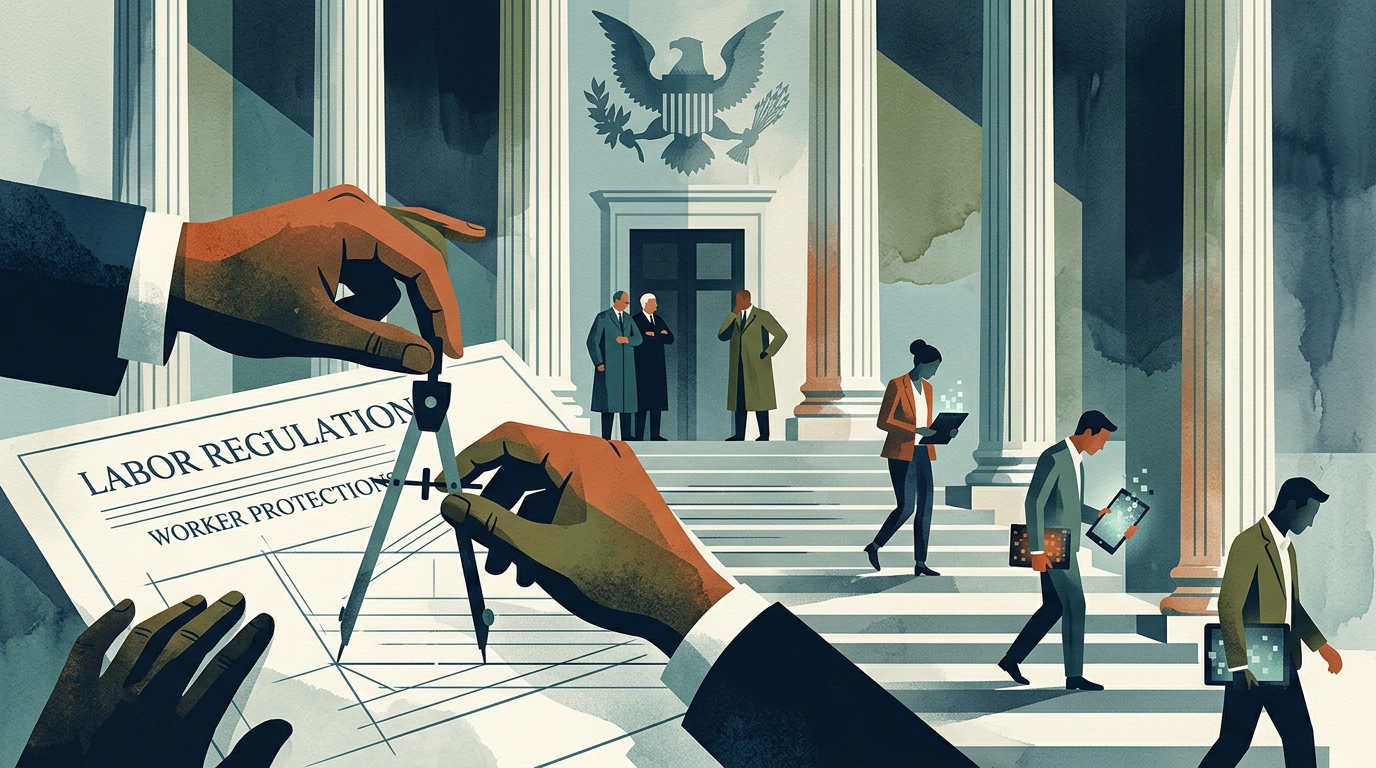
However, this alignment raises profound ethical and legal questions. If the U.S. government becomes a shareholder, how can it impartially regulate a company in which it has a direct financial interest? The potential for regulatory capture is immense. Critics argue that this move would make OpenAI 'too big to fail' and grant it a de facto monopoly, shielded from competition by the very government tasked with maintaining a level playing field. It risks creating a corporate-state hybrid that could stifle innovation from smaller, more independent players.
Economic Implications and the Governance Model
OpenAI is currently in a state of profound metamorphosis. Transitioning from its non-profit roots, it is evolving into a for-profit behemoth seeking valuations exceeding $150 billion. The proposed stake for the U.S. government could take the form of equity or a share of future profits. Theoretically, this could mean that American taxpayers would benefit from the economic windfall of AI, potentially creating a sovereign wealth fund to offset the labor market disruptions caused by automation.
- The proposal includes the establishment of 'AI Economic Zones' with specialized tax and regulatory frameworks.
- It envisions a deep partnership with the Department of Energy to deploy Small Modular Reactors (SMRs) for AI power needs.
- The government would gain significant oversight regarding the export of high-level AI models to adversarial nations.
In conclusion, OpenAI’s proposal is a daring challenge to the traditional free-market model. If Washington accepts, we will enter a new era where the boundaries between the state and technological titans become indistinguishable. It is a decision that will define not only the future of OpenAI but the global balance of power for the coming decades. The question remains: is the U.S. ready to become a venture capitalist in the most disruptive technology in human history?