In the heart of Manhattan, where the steel giants of Wall Street meet the intellectual bastions of the Upper West Side, an experiment is unfolding that could permanently alter the landscape of American democracy. New York’s 12th Congressional District (NY-12), represented by veteran Democrat Jerry Nadler, has been selected as the testing ground for a new generation of advocacy groups focused on Artificial Intelligence. According to reports from Punchbowl News, this move is calculated, targeting a district that serves as a global nexus of financial power, cultural influence, and legislative weight.
The Strategic Significance of NY-12
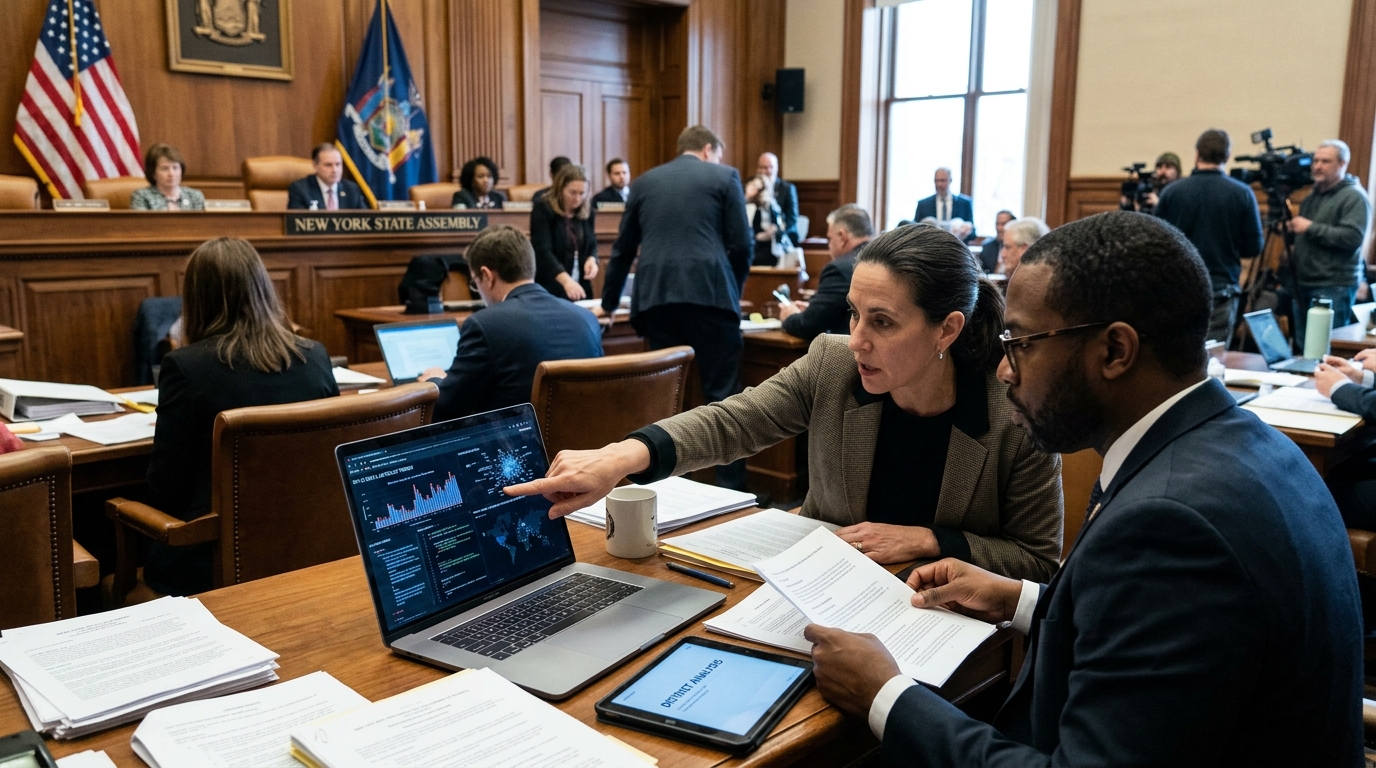
Why has NY-12 become the focal point? The answer lies in Jerry Nadler’s seniority and his pivotal role in the House Judiciary Committee. Nadler holds significant sway over intellectual property (IP) laws, antitrust regulations, and digital content oversight—the very sectors currently being disrupted by AI. Interest groups recognize that by influencing Nadler’s constituency, they can exert indirect but formidable pressure on the legislative process itself.
This experiment involves utilizing AI tools to analyze voter sentiment in real-time, crafting hyper-personalized information campaigns, and deploying sophisticated digital outreach strategies. We are witnessing a shift from traditional K Street lobbying to a form of digital "urban warfare," where data is the primary ammunition. The goal is to create a feedback loop where AI-driven constituent pressure forces policy shifts in Washington.
The Emergence of AI Advocacy Groups
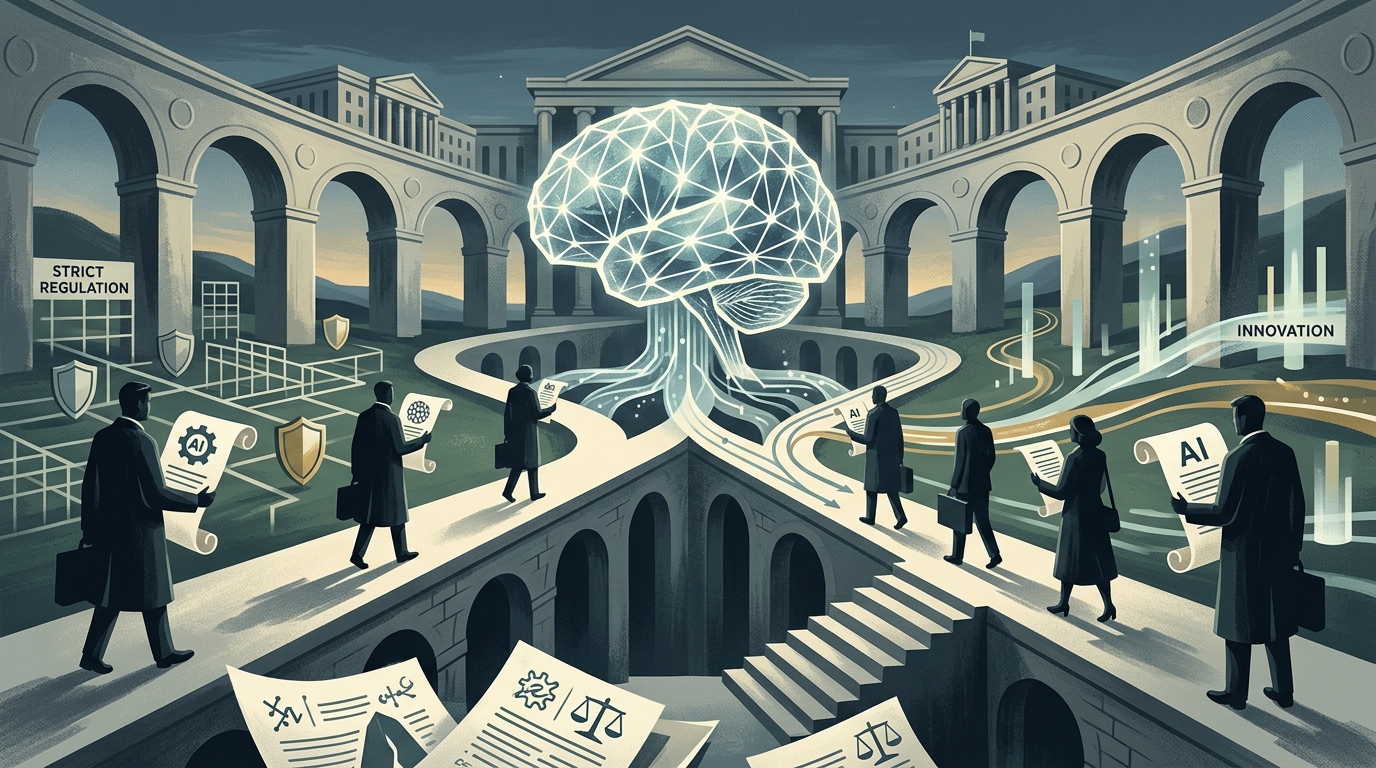
The organizations leading this charge are not the usual Big Tech giants. Instead, they are a mix of new non-profits, venture-capital-backed coalitions, and academic-led initiatives seeking to define the ethical and legal boundaries of AI before they are set in stone. Their objectives range from promoting open-source AI development to demanding stringent protections against deepfakes that threaten electoral integrity.
"New York isn’t just a city; it’s an information ecosystem. If AI advocacy can win over the residents of Manhattan, it can set the tone for the entire nation," notes a senior policy analyst.
However, using AI to advocate for its own regulation raises profound ethical questions. There is a tangible risk that the voices of actual human constituents could be drowned out by a sea of automated messages and synthetically amplified demands. This high-tech "astroturfing"—the practice of creating a fake grassroots movement—takes on a dangerous new dimension when powered by Large Language Models (LLMs) capable of mimicking human nuance and emotion.
Intellectual Property and the Nadler Stakes
A central point of contention in NY-12 is the future of copyright. The district is home to thousands of artists, writers, and creative professionals who fear that generative AI will exploit their work without compensation or credit. Nadler, a long-time defender of creator rights, finds himself caught between two powerful forces: the need to protect New York’s cultural heritage and the pressure to foster technological innovation.
- Protecting IP rights from unauthorized AI training data usage.
- Ensuring transparency in algorithms that curate public discourse.
- Developing tech-sector jobs within the New York metropolitan area.
- Mitigating the impact of AI-generated misinformation in local elections.
These points form the core agenda of the groups now "digitally camping" in the 12th district. The success or failure of this initiative will determine whether AI-driven lobbying becomes the standard operating procedure for the 2026 midterms and beyond.
Conclusion: Democracy in the Algorithmic Age
The New York 12th district experiment serves as both a warning and an opportunity. It demonstrates that technology is no longer just a tool for politicians; it is an active participant in the democratic process. As Jerry Nadler and his constituents navigate this uncharted territory, the world is watching. If democratic engagement can survive and thrive amidst the algorithmic noise of Manhattan, there may be a path forward for political participation in the digital age. The ultimate challenge remains: ensuring that AI serves to amplify human voices, rather than replacing them in the halls of power.