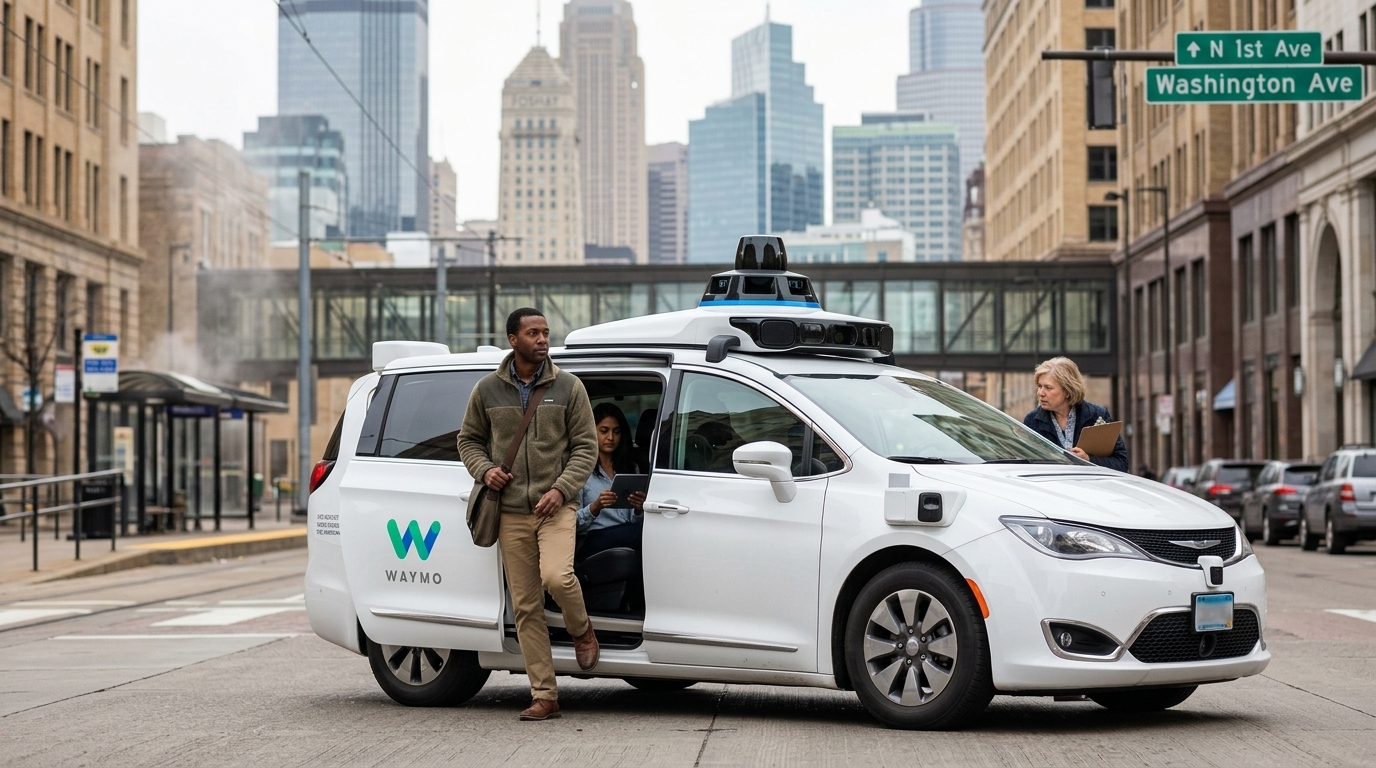
Minneapolis is emerging as the latest battleground for the future of autonomous vehicles as its city council considers a groundbreaking ordinance that could halt the rollout of fully driverless robotaxis. The proposed measure seeks to keep a human presence behind the wheel, citing safety and economic concerns.
Keeping Humans in Control
Four Minneapolis city councilors have proposed an ordinance that would prevent self-driving cars from operating solo. Instead, a licensed driver would be required to serve as a "safety monitor" with immediate access to steering, braking, and acceleration controls. These monitors would be entitled to at least a minimum wage. A public hearing is scheduled for Sept. 22, and if passed, the law would take effect next October.
Waymo, owned by Alphabet, has been testing a small fleet in the Twin Cities since November 2025. Adam Lane, Waymo’s state and local public policy manager, described the framework as a "de facto ban on autonomous vehicles." This pushback comes despite a July study from the Insurance Institute for Highway Safety finding that Waymo vehicles have lower crash rates than human drivers.
Economic Impact and the Gig Economy
The proposal highlights a national tension regarding the gig economy. While Goldman Sachs projects robotaxis will capture 8% of the U.S. rideshare market by 2030—generating $7 billion in revenue—unions and workers fear displacement. Research from George Washington University suggests a shift to robotaxis could slash frontline driving jobs by 57% to 76%.
However, Waymo co-CEO Tekedra Mawakana maintains that the industry creates new roles. She pointed to the need for fleet technicians and infrastructure workers for electric vehicle charging, arguing that the transition expands manufacturing and maintenance opportunities rather than simply eliminating work.