In a move that signals a sophisticated return to the public eye with a sharp focus on emerging technology, First Lady Melania Trump has unveiled a comprehensive suite of initiatives aimed at integrating Artificial Intelligence (AI) into the lives of American youth. Through the launch of the "AI Challenge" and the strategic expansion of "Fostering the Future" accounts, the East Wing is positioning itself at the intersection of social welfare and digital innovation. As of June 2026, this approach reflects a broader administration effort to ensure that the next generation is not only tech-literate but also capable of leading the AI-driven global economy.
The First Lady’s initiative is more than a mere educational campaign; it is a calculated policy statement. In an era where AI proficiency is becoming the new standard for workforce readiness, Melania Trump is evolving her previous "Be Best" platform to address the complexities of the 2020s. By focusing on foster youth and community-driven innovation, she is attempting to humanize a technology that many still view with skepticism or fear.
The AI Challenge: Empowering the Next Generation of Architects
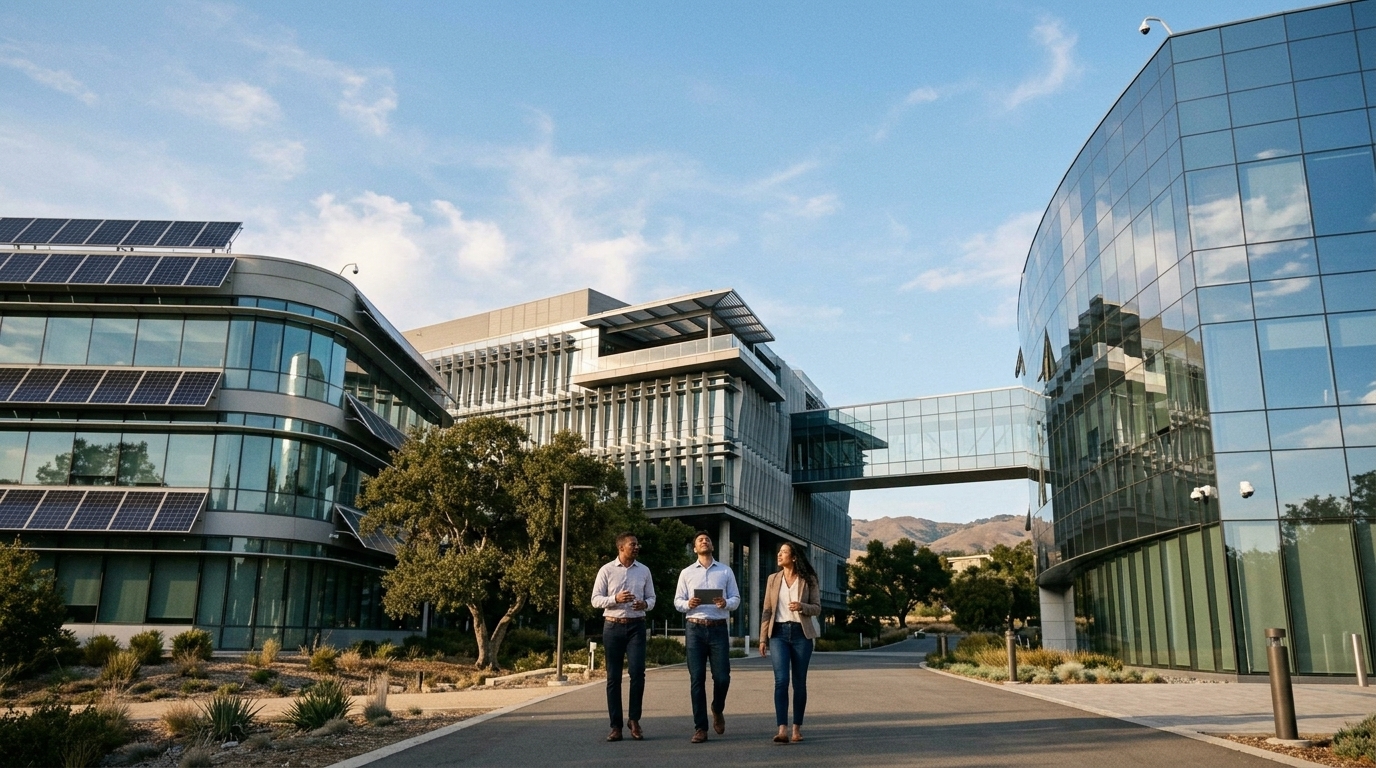
The centerpiece of the recent White House announcements is the "AI Challenge," a national competition designed for middle and high school students. The program encourages participants to utilize AI tools to solve real-world problems within their local communities—ranging from optimizing local food bank logistics to developing early-warning systems for environmental hazards. This initiative emphasizes that AI is not a replacement for human ingenuity but a powerful catalyst for it.
Crucially, the challenge includes a significant module on AI ethics and responsible use. In 2026, as deepfakes and algorithmic bias remain persistent challenges, the First Lady’s emphasis on the "moral compass" of technology is a timely addition. Winners are slated to receive significant scholarships and mentorship opportunities with Silicon Valley leaders, creating a direct pipeline from public education to the high-tech sector. The message is clear: the administration views youth empowerment through the lens of technological mastery and individual achievement.
Fostering the Future: Bridging the Opportunity Gap
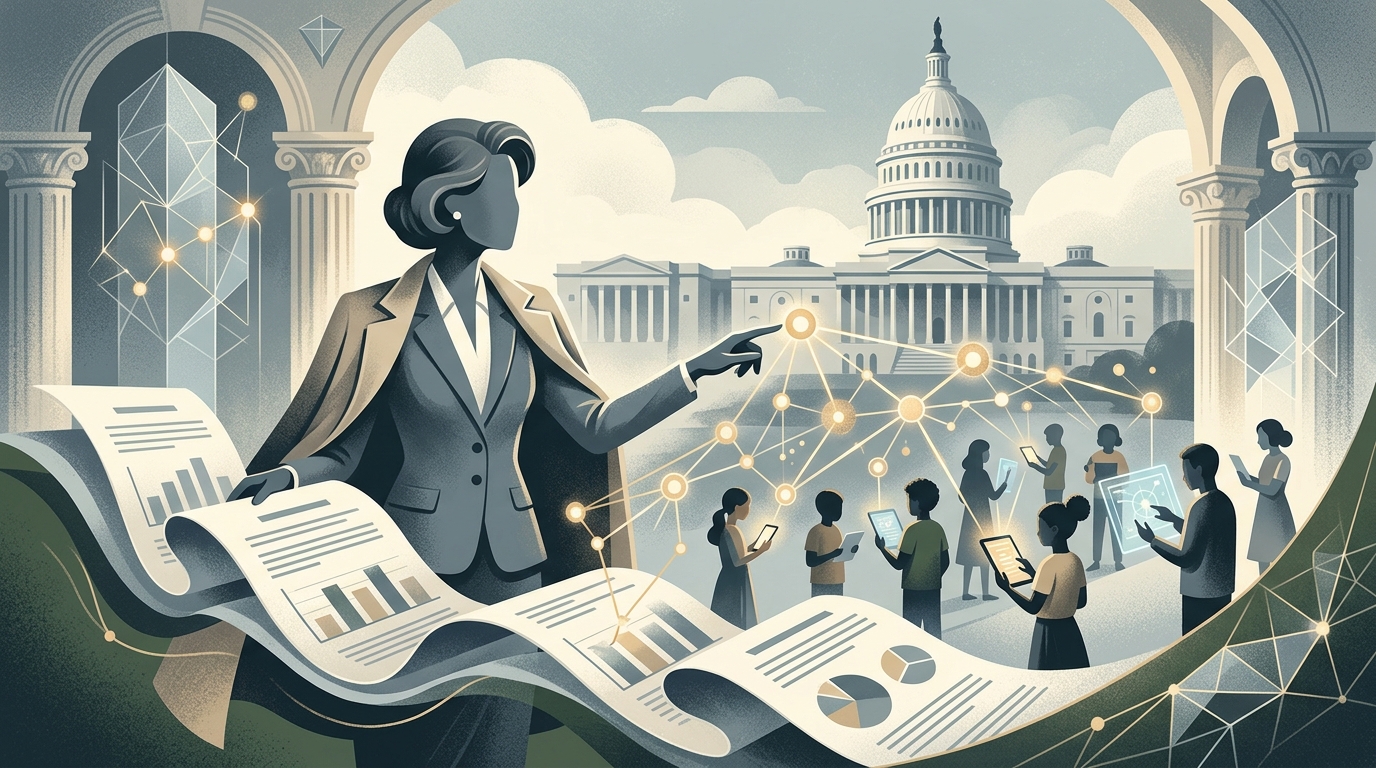
Perhaps the most substantive part of the week’s agenda was the expansion of the "Fostering the Future" accounts. This program, which has been a cornerstone of Melania Trump's post-2024 activities, provides financial and educational resources to youth aging out of the foster care system. The new expansion specifically earmarks funds for AI certifications and data science bootcamps. For many foster children, the transition to adulthood is fraught with economic instability; by providing them with high-demand skills in the AI sector, the initiative seeks to provide a sustainable path to the middle class.
This policy move addresses a critical vulnerability in the American social fabric. Historically, foster youth have been disproportionately affected by the digital divide. By integrating AI education into foster care support, the First Lady is tackling social mobility through a modern, market-oriented lens. It shifts the narrative from traditional charity to empowerment through skill-building, a hallmark of the current administration’s domestic policy philosophy.
Political Implications and the Road Ahead
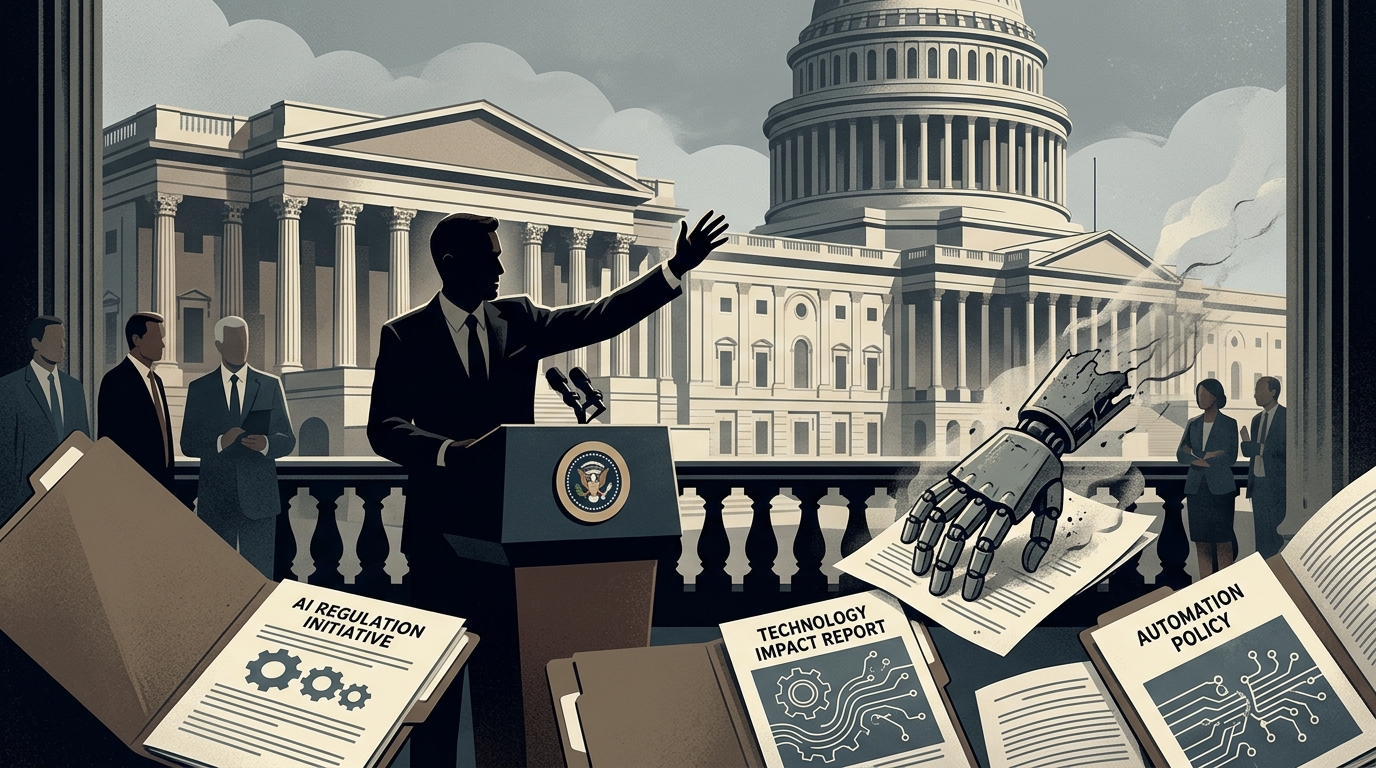
The strategic timing and content of these initiatives suggest a broader political goal. By championing AI education, the First Lady is moving into a domain—tech policy and education—that has often been a battleground for political influence. Her focus on "technological patriotism" seeks to frame American AI leadership as a unifying national goal. However, the program faces scrutiny from those who argue that without broader systemic changes to the foster care system and more robust AI regulations, these initiatives may only benefit a small subset of the population.
Furthermore, the collaboration with private tech giants for scholarships and internships raises questions about the influence of Big Tech on public policy. Nevertheless, the First Lady’s proactive stance has forced a conversation on how the executive branch can foster innovation while protecting vulnerable populations. As the 2026 midterms approach, the success of the AI Challenge will likely be used as a metric for the administration’s commitment to future-proofing the American workforce.
In conclusion, First Lady Melania Trump’s "remarkable week" represents a significant attempt to define the social agenda of the AI era. By focusing on the most vulnerable and the most promising members of society—foster youth and young innovators—she is crafting a legacy that seeks to bridge the gap between human compassion and technological progress. Whether these programs will result in lasting systemic change remains to be seen, but they undoubtedly place the East Wing at the heart of the most important technological shift of our time.