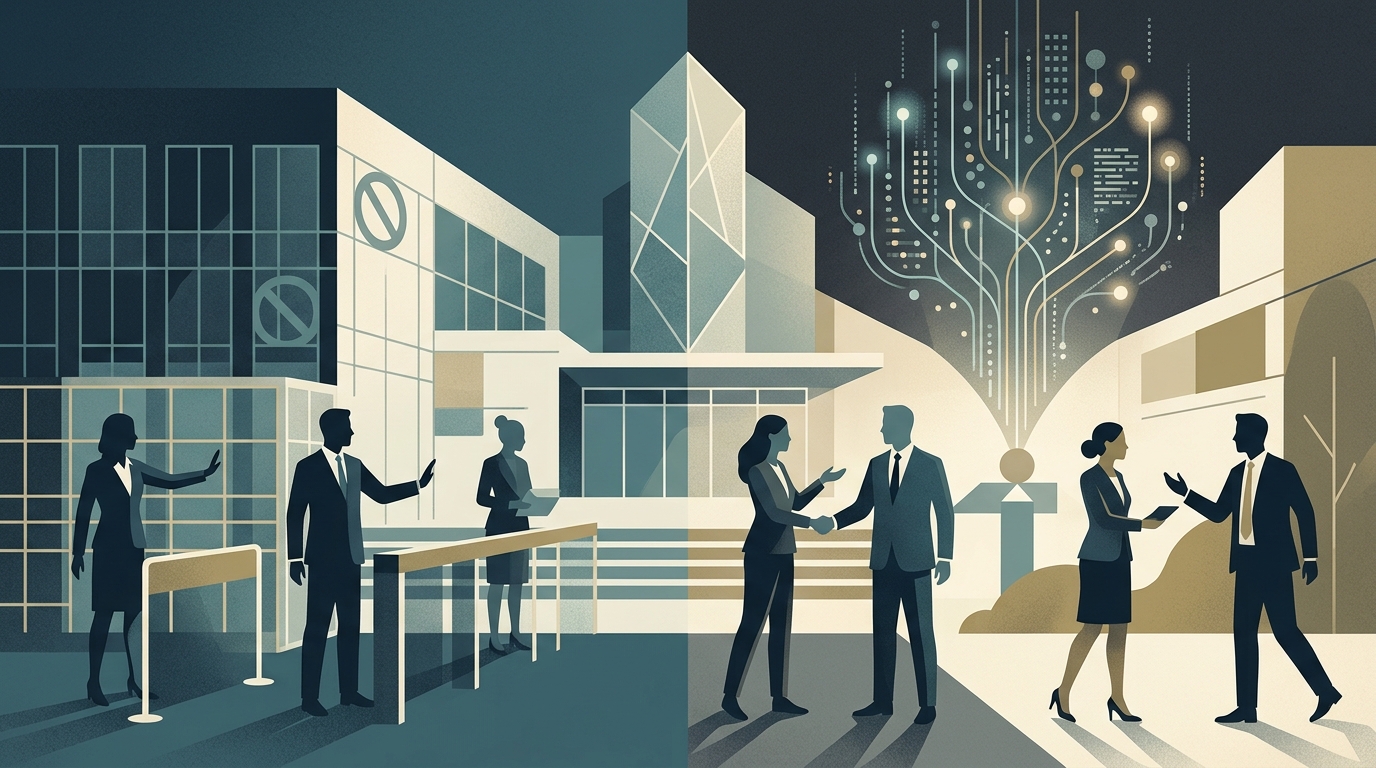
In a move that signals the end of an era of digital protectionism, Samsung Electronics has announced the lifting of its ban on the use of external generative artificial intelligence (Gen AI) tools by its employees. This decision, coming nearly three years after the notorious source code leak via ChatGPT, reflects a new reality in the corporate world: abstaining from AI is no longer a viable strategic option.
The Chronicle of an Inevitable Retreat
In the spring of 2023, Samsung made global headlines when it was revealed that its engineers had uploaded sensitive source code and meeting minutes to public AI models for debugging and summarization. The tech giant's reaction was immediate and draconian, imposing a blanket ban on tools like ChatGPT, Claude, and Gemini across corporate networks and devices. However, this isolation came at a price that the company could no longer afford to pay.
While its rivals in Silicon Valley and Asia were integrating AI into their daily workflows, Samsung employees remained restricted to internal tools that often lagged in capabilities. The new policy is not merely an admission of AI's utility, but a strategic pivot to maintain competitiveness in an industry where software development speed determines success.
Data Security: What Has Changed?
The question arises: what has changed in the technology for Samsung to now feel secure? The answer lies in the maturation of 'Enterprise' versions of large language models. Unlike free versions that use user data to train future models, corporate solutions now offer guarantees that data remains within a sealed environment.
- Strict data encryption at rest and in transit.
- No-training clauses that safeguard intellectual property.
- Integration of access control tools allowing IT admins to monitor usage in real-time.
Samsung appears to have adopted a model of 'controlled freedom,' where usage is permitted only through approved corporate accounts that meet specific security specifications. This allows developers to write code faster and administrative staff to automate routine tasks without the risk of company secrets ending up in a competitor's database.
Pressure from Apple and the AI Ecosystem
It cannot be ignored that this move coincides with Apple's aggressive entry into the AI space via 'Apple Intelligence.' As smartphones transform into 'AI-first' devices, Samsung needs its workforce to be fully conversant with the latest advancements. The ban was creating a skills gap that threatened the future of the Galaxy series.
"Artificial intelligence is no longer an optional tool; it is the new infrastructure of knowledge. Banning it is like banning the internet in the 1990s," says a Seoul-based industry analyst.
In conclusion, Samsung's return to external AI marks a milestone for South Korean corporate culture, which is traditionally characterized by high levels of introversion and control. The recognition that innovation requires open systems and collaboration with external technology providers is a lesson that many multinationals are being forced to learn in 2026.