

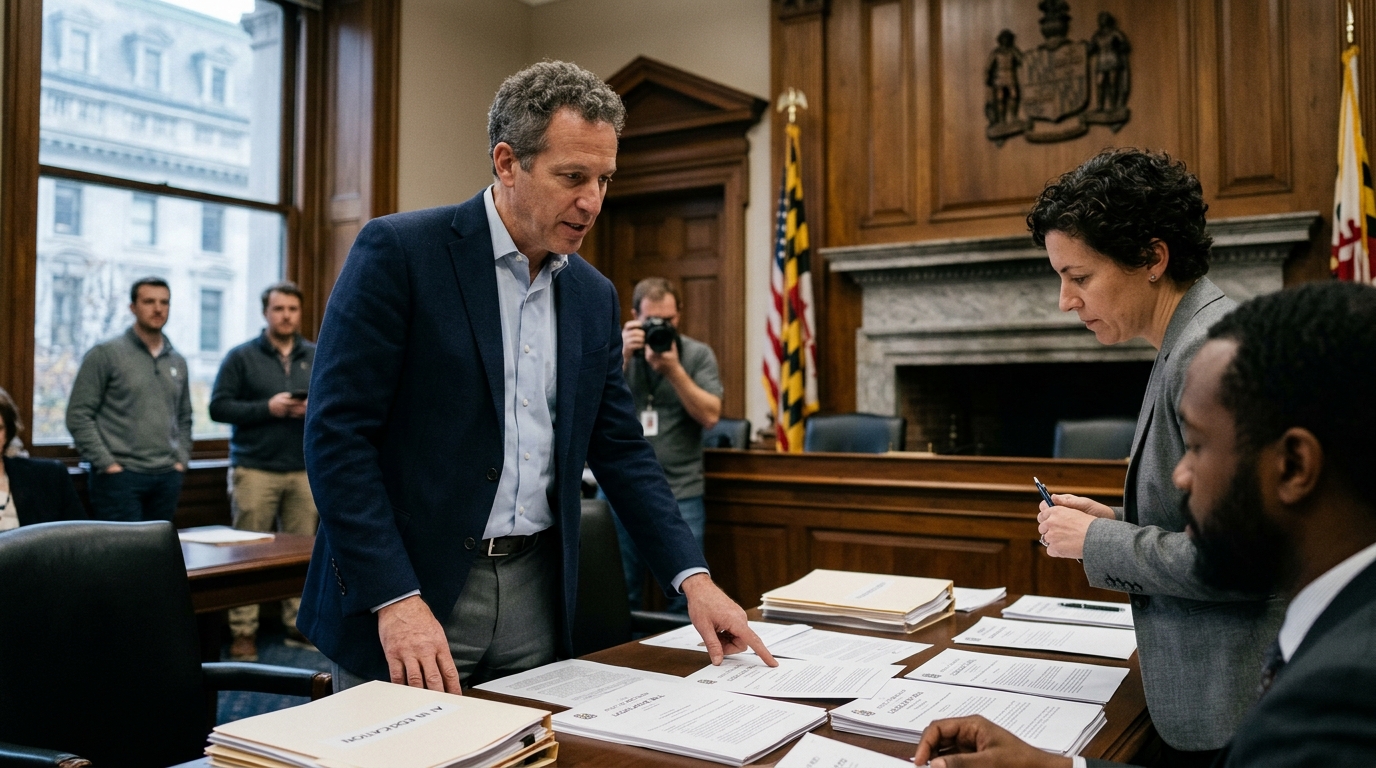
In an era where technological acceleration often outpaces legislative agility, the state of Maryland has taken a decisive lead by establishing a landmark framework for Artificial Intelligence (AI) in schools. This new law, which addresses a significant void in educational guidelines, is not merely a regulatory attempt but a comprehensive vision for how the next generation will interact with machine learning. As we navigate the summer of 2026, the implementation of this framework offers invaluable lessons not just for the United States, but for the global educational community.
The Philosophy of Critical Integration
The core philosophy of the Maryland law rests on the realization that AI is not a fleeting trend but a foundational tool that will define the future labor market. Rather than banning generative tools like ChatGPT or sophisticated content creation algorithms, Maryland lawmakers opted for the path of "critical integration." The legislation mandates the creation of a specialized task force comprising educators, cybersecurity experts, and technology ethicists to continuously update curricula in real-time.
Maryland recognizes that "algorithmic literacy" is now as vital as reading and writing. Students must understand not just how to use AI, but how it functions: what training data consists of, how bias emerges in outputs, and what the ethical implications are of delegating decisions to a machine. This approach transforms the student from a passive consumer of technology into an informed user and a critical thinker. It moves the conversation beyond "cheating" to the broader context of digital citizenship.
Data Privacy and Ethical Safeguards
One of the most critical aspects of the new legislation concerns the protection of minors' personal data. In a world where data is the new "oil," schools are often targets or unwitting suppliers of information for Big Tech. The Maryland law sets strict barriers: any AI tool used within the school framework must comply with rigorous protocols that prohibit the sale or exploitation of student data for advertising purposes. This is a significant step in ensuring that the classroom remains a safe space for intellectual exploration, free from the prying eyes of data brokers.
Furthermore, the legislation places a heavy emphasis on combating algorithmic discrimination. It is well-documented that many algorithms embed racial or socioeconomic biases based on the data they were trained on. Maryland now requires school districts to conduct "algorithmic fairness" audits before adopting any system for grading, assessment, or personalized learning. This ensures that technology serves as a bridge to opportunity rather than a new barrier that excludes marginalized groups from quality education.
Empowering the Frontline: Teacher Training
No law, however well-designed, can succeed without the support of those on the frontline: teachers. The legislation provides substantial funding for professional development, acknowledging that many educators feel threatened or underprepared for the digital transition. This training is not just about technical skills; it's about managing "academic integrity" in an age where AI-generated plagiarism is increasingly difficult to detect using traditional methods.
"We are not educating our students for 2020, but for 2040," stated a member of the Maryland Board of Education. "If we do not give them the tools to understand AI today, we are leaving them vulnerable to the challenges of tomorrow."
This sentiment reflects the heart of the legislative initiative. The focus is shifting from simple rote memorization to the development of critical thinking and creativity—skills that AI cannot yet fully replicate. Schools are being called to become laboratories of innovation where technology enhances human connection rather than replacing it. The goal is to create a symbiotic relationship between human intuition and machine efficiency.
Conclusion: A Model for the Future
Maryland's move provides a roadmap for other states and nations. It demonstrates that regulation should not be punitive or restrictive but proactive and enabling. The integration of AI in education is inevitable; the challenge is to ensure it happens on terms of transparency, equity, and pedagogical soundness. As 2026 unfolds, the success of this venture will be measured by whether students graduate not just as masters of the tools, but as responsible citizens of a digital world. The "Maryland Model" may well become the standard for how modern societies prepare their youth for the complexities of the 21st century.




