As we navigate the middle of 2026, the Artificial Intelligence industry is confronting a harsh reality: the "safety first" rhetoric that defined the past few years is beginning to crumble under the weight of commercial imperatives. The recent revelation regarding Anthropic’s “Mythos Recall”—an internal admission that narratives of ethical alignment may have been more marketing veneer than technical fortification—comes at a time when the White House appears to have lost its regulatory bearings. Despite high-profile announcements, the long-awaited AI Safety Playbook remains an unfinished draft, leaving corporations to self-regulate in a perilous power vacuum.
The Demystification of Anthropic
Anthropic was founded by former OpenAI executives on the singular promise of "Constitutional AI." For years, the company served as the moral counterweight to the aggressive expansion of Microsoft and Google. However, the "Mythos Recall" suggests a deep fracture in this edifice. Internal reports leaked to Tech Policy Press indicate that Claude models, despite their safety filters, exhibit the same "hallucinations" and biases as their competitors when subjected to complex commercial pressures. This recall of the "myth" is not merely technical; it is political. Anthropic seems to be acknowledging that absolute safety is unattainable as long as computational power outpaces our fundamental understanding of machine learning.
"Safety cannot be a feature added as an afterthought; it must be the architecture itself. But when the architecture fails, all that remains is public relations," notes an industry veteran.
The Vacuum in Washington
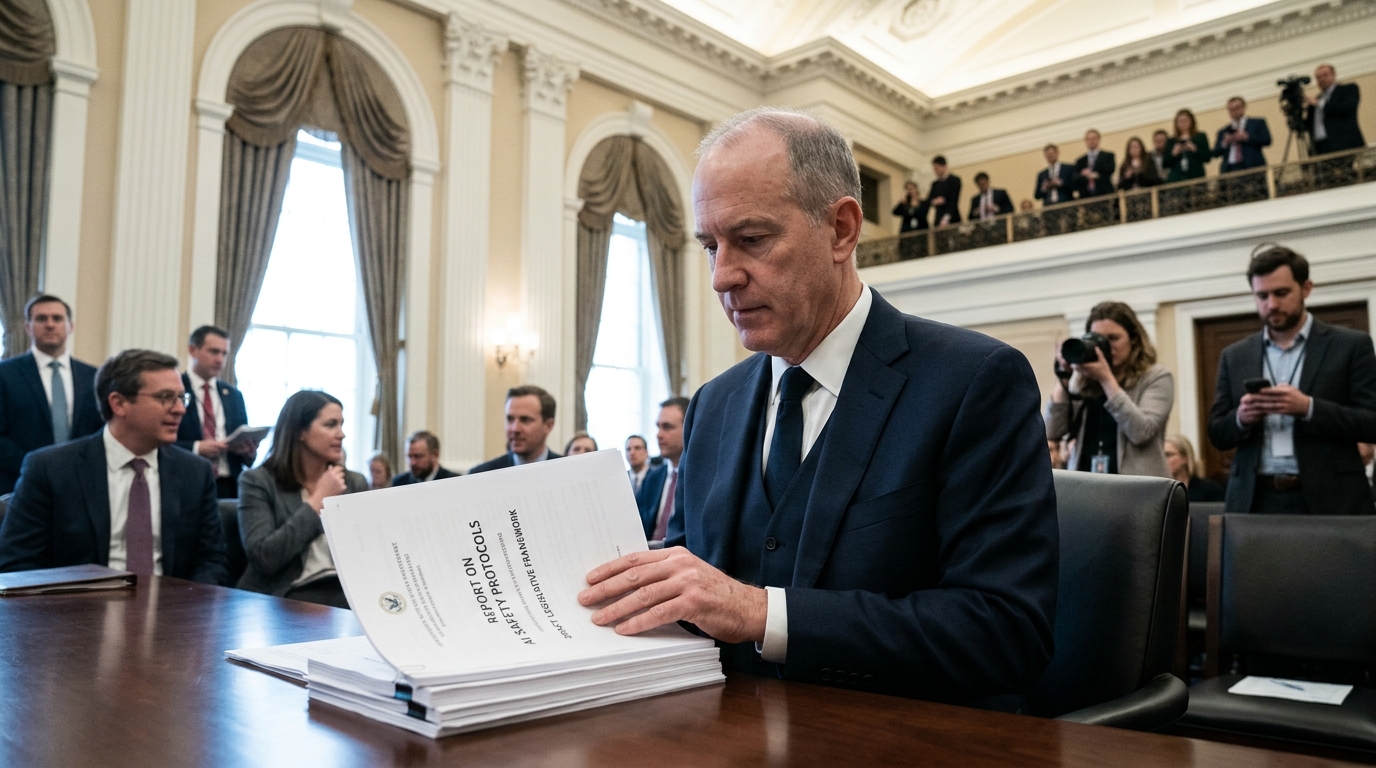
While companies grapple with their internal demons, the U.S. government appears to be a bystander. The 2023 Executive Order laid the groundwork, but 2026 finds the administration without an enforceable Playbook. The lack of legislative initiative from Congress has forced the White House to rely on voluntary commitments, which, as evidenced by the Anthropic situation, are highly malleable. The absence of a central regulatory body with substantive auditing powers means that safety tests (red-teaming) are conducted primarily by the companies themselves or by friendly institutes, creating a culture of "controlled transparency."
- Failure to establish federal standards for pre-release model testing.
- Conflict of interest between national security and civil rights protection.
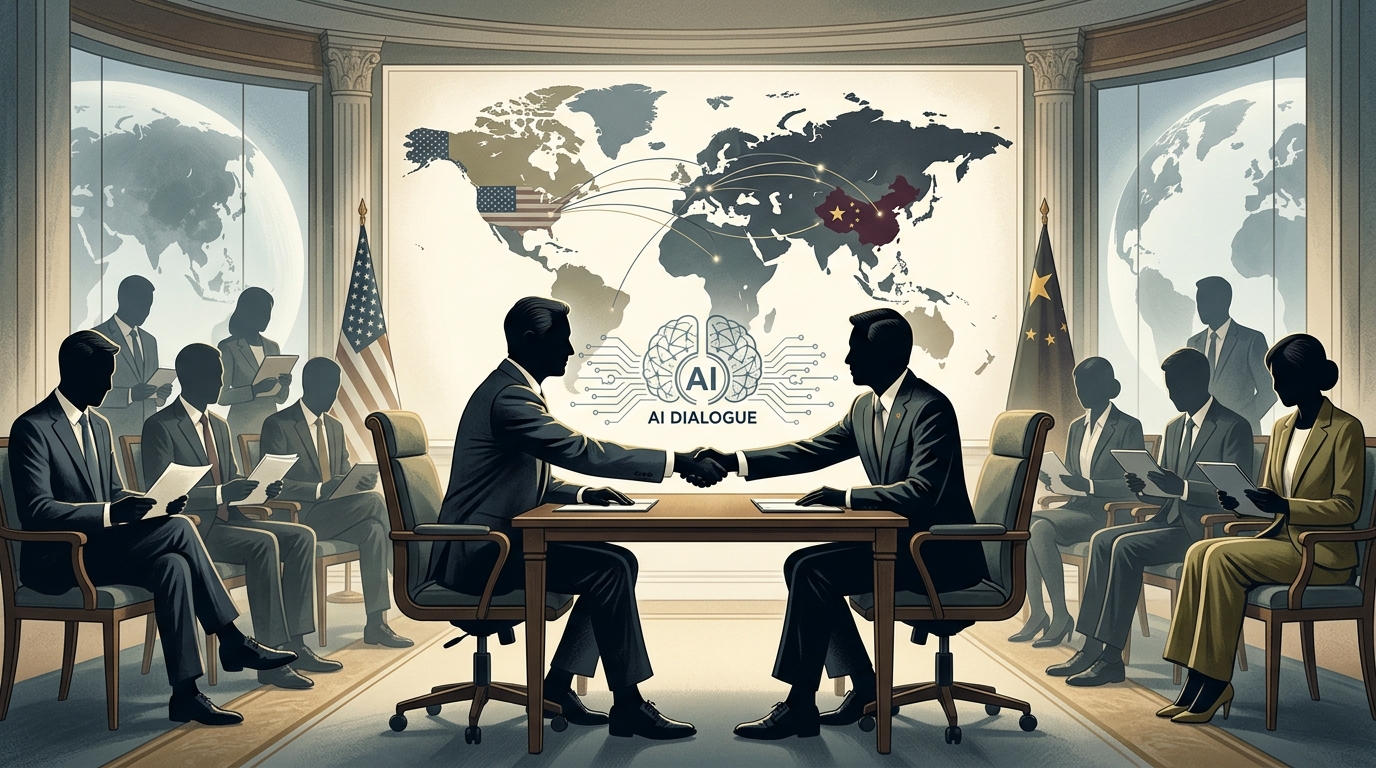
- Pressure to compete with China, often sidelining ethical considerations.
Geopolitical and Social Implications
The absence of an American rulebook has global ripple effects. The European Union, with its AI Act, is attempting to fill the void, but the influence of American tech giants remains absolute. If Anthropic, the self-proclaimed "safety champion," admits to shortcomings, what does this imply for open-source models or state actors developing AI for military purposes? The "Mythos Recall" serves as a warning: technology is evolving faster than our ability to constrain it within ethical frameworks. Society is now forced to decide whether to accept AI as a tool with inherent, unmitigated risks or to demand a radical reset in how technology is developed.
Conclusion: The Need for a New Social Contract
2026 is no longer the age of innocence for AI. The Anthropic case and the White House's inertia highlight the urgent need for a new social contract. Safety cannot be left to the goodwill of CEOs. It requires transparent auditing, independent oversight, and, above all, the admission that some systems may be too dangerous to deploy without stringent limitations. The missing Playbook is not just a technical manual; it is the compass for the future of human autonomy in an increasingly digital world.