

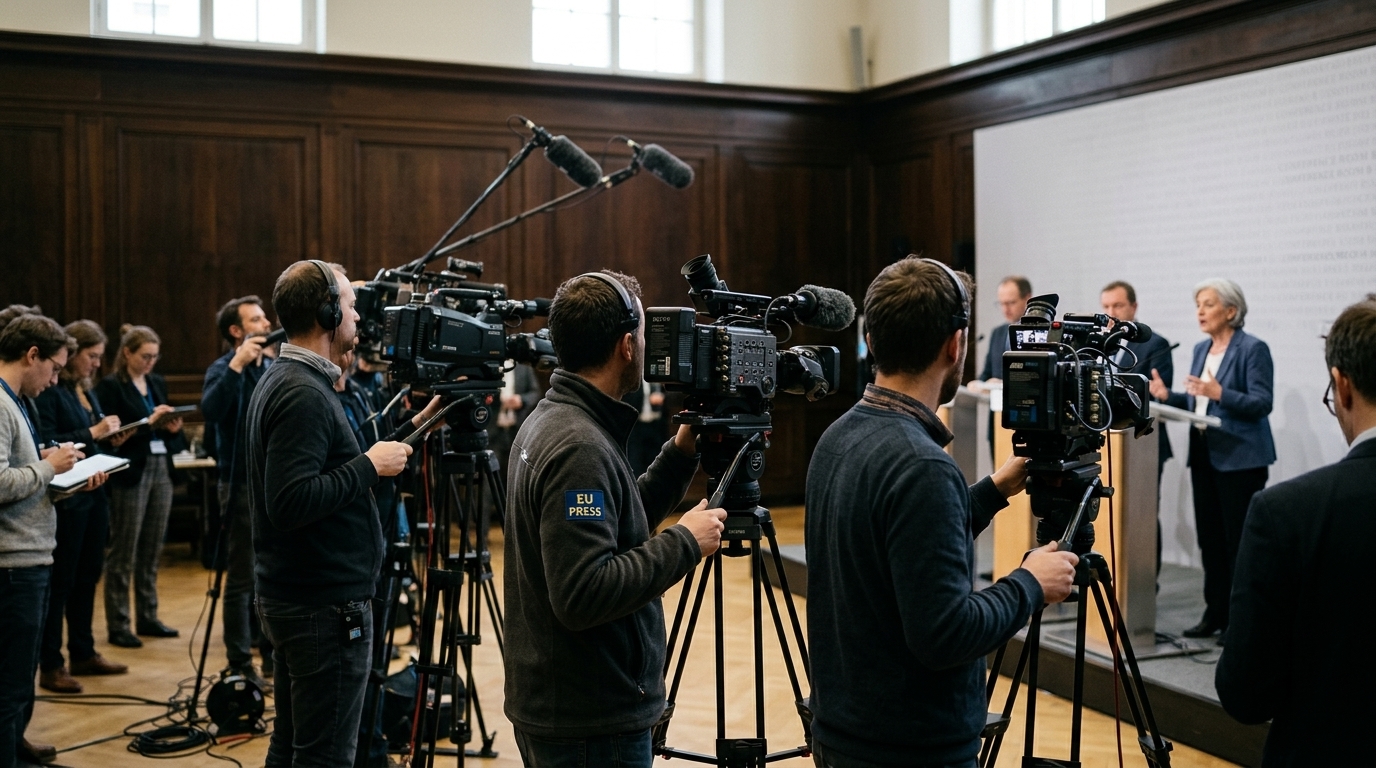
The European Union’s digital policy is entering a new, radical phase. According to exclusive reports from Euractiv, European Commission President Ursula von der Leyen is expected to announce a landmark proposal in September: a comprehensive ban or drastic restriction on children's access to social media. This move, while anticipated by some in Brussels circles, marks the end of the era of 'self-regulation' for tech giants and the beginning of a period where the state assumes the role of a digital guardian.
The Psychology of the Ban and the Mental Health Crisis
The foundation of the upcoming proposal is not economic, but social and medical. In recent years, a wealth of research has linked excessive use of platforms like TikTok, Instagram, and Snapchat to skyrocketing rates of depression, anxiety, and eating disorders among adolescents. The European Commission appears to be adopting the view that the algorithms of these platforms are designed to be addictive, exploiting the vulnerable nature of the developing brains of children.
The proposal to be presented in September is expected to include:
- Strict age limits (likely 15 or 16 years old) for full access.
- A ban on 'addictive features' such as infinite scrolling and late-night notifications.
- Mandatory age verification systems that do not rely simply on user self-declaration.
The Technical and Legal Deadlock of Verification
The big question looming over Brussels is 'how.' Enforcing such a ban requires robust Age Verification systems. This is where a serious conflict with Data Protection Regulations (GDPR) arises. How can a platform know a user's exact age without collecting sensitive personal data, such as IDs or biometric data?
Critics of the proposal fear that the effort to protect children will lead to a regime of total surveillance for all citizens. The Commission, however, is betting on new technologies, such as 'anonymous verification' via digital wallets (EU Digital Identity Wallet), which would allow age confirmation without revealing the person's identity. Nonetheless, implementation remains a technical minefield that Big Tech companies will surely use as an argument in court.
The Political Chessboard and Reactions
Ursula von der Leyen, in her second term, seems determined to leave a legacy of 'digital protection.' France, under Emmanuel Macron, has already spearheaded similar initiatives at the national level, calling for a 'digital pause' for minors. However, other member states, such as Germany and the Nordic countries, remain skeptical, placing greater emphasis on digital literacy rather than prohibition.
"We cannot allow platforms to treat our children as products to be exploited. The digital wild west must end," say sources close to the Commission.
On the other side, tech giants are preparing a multi-billion dollar counter-offensive. They argue that a ban would isolate young people from the positive aspects of technology, such as access to information and community building. Furthermore, they warn of the risk of teenagers turning to unregulated, dark corners of the internet (the Dark Web) to communicate, where the dangers are manifold.
Conclusion: Protection or Restriction?
The September announcement will be just the beginning of a long legislative battle. Europe is attempting something that no other democratic entity has dared on such a scale. If it succeeds, it will set the global standard for the protection of minors in the 21st century. If it fails, it will be seen as a desperate attempt by an analog world to tame a digital reality that has already bypassed it. What is certain is that the relationship between children and the screen will never be the same again.





