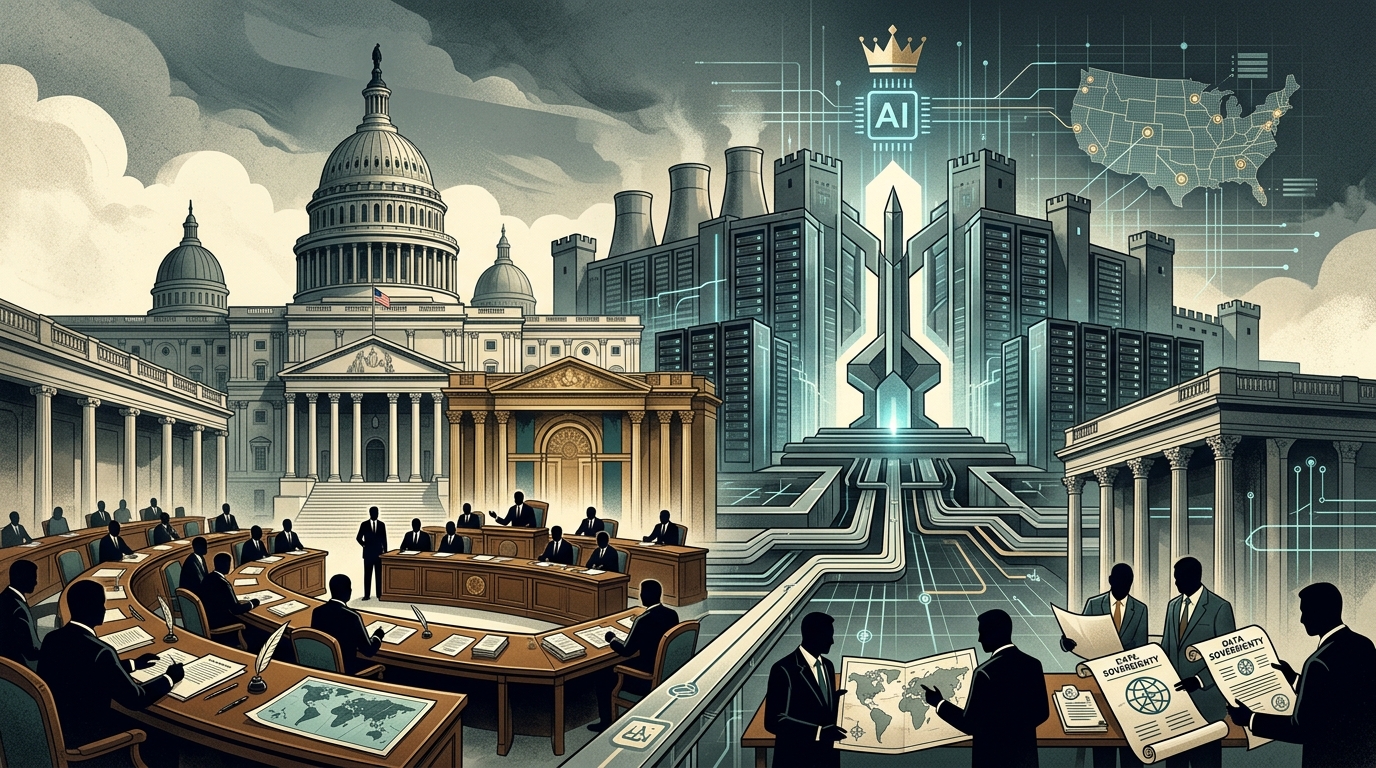
In the evolving landscape of American politics, the regulation of Artificial Intelligence (AI) has become a high-stakes battleground between safeguarding civil liberties and maintaining technological dominance. On Wednesday, July 8, 2026, leading Connecticut Senate Democrats —Martin Looney, Bob Duff, and James Maroney— issued a joint statement praising the passage of a robust AI law in Illinois, signaling their intent to introduce similar measures in the Connecticut General Assembly by 2027.
The Illinois Blueprint and the Shift Toward Regulation
The recently enacted Illinois law is widely regarded as one of the most comprehensive in the United States. It specifically targets algorithmic discrimination and protects workers from unchecked AI surveillance. Key provisions include strict mandates on managing "deepfakes," requirements for algorithmic impact assessments by developers of high-risk systems, and ensuring citizens' right to know when an algorithm significantly influences decisions affecting their lives.
For Connecticut’s senators, the Illinois success serves as both a validation and a roadmap. Senator James Maroney, a long-time advocate for AI policy, emphasized that federal paralysis has forced states to take the lead. "We cannot wait for Washington to act while risks to privacy and equity grow daily," Maroney stated, highlighting the urgency of local intervention in the absence of national standards.
Political Friction and the Ghost of the 2024 Veto
This legislative push is not without its hurdles. Historically, similar efforts in Connecticut have faced stiff opposition from Governor Ned Lamont. In 2024, Lamont expressed significant concerns regarding SB 2—a bill championed by Maroney—arguing that overly stringent regulations could stifle innovation and drive tech firms to more permissive jurisdictions. The threat of a gubernatorial veto led to a strategic retreat by lawmakers at the time.
However, the climate in 2026 has shifted. Increased public pressure and documented instances of algorithmic bias in hiring and housing markets have bolstered the case for regulation. Looney, Duff, and Maroney are betting that by 2027, the necessity of a "safety net" will be so undeniable that even the most business-aligned skeptics will find it hard to oppose.
Pillars of the 2027 Legislative Initiative
The proposed 2027 legislation is expected to focus on three primary pillars:
- Transparency and Accountability: Mandating that companies disclose the logic behind algorithms used in critical sectors like healthcare and employment.
- Consumer Protection: Establishing legal recourse for citizens who suffer discrimination due to automated decision-making processes.
- Ethical Governance: Implementing stricter standards for AI use within state agencies to ensure technology is not weaponized for mass surveillance.
Targeting 2027 is a calculated move. It allows lawmakers to observe the real-world implementation of the Illinois law, refine their own proposals based on those outcomes, and engage in deeper dialogue with the tech sector to mitigate fears of economic stagnation.
Conclusion: A National Trend Gaining Momentum
Connecticut’s stance mirrors a broader national trend where states like California, Colorado, and now Illinois are creating a patchwork of regulations that de facto govern the AI industry. The challenge remains constant: how to protect human rights without sacrificing technological progress. For Connecticut’s senators, the answer lies in bold, preemptive governance, even if it necessitates a protracted political struggle.