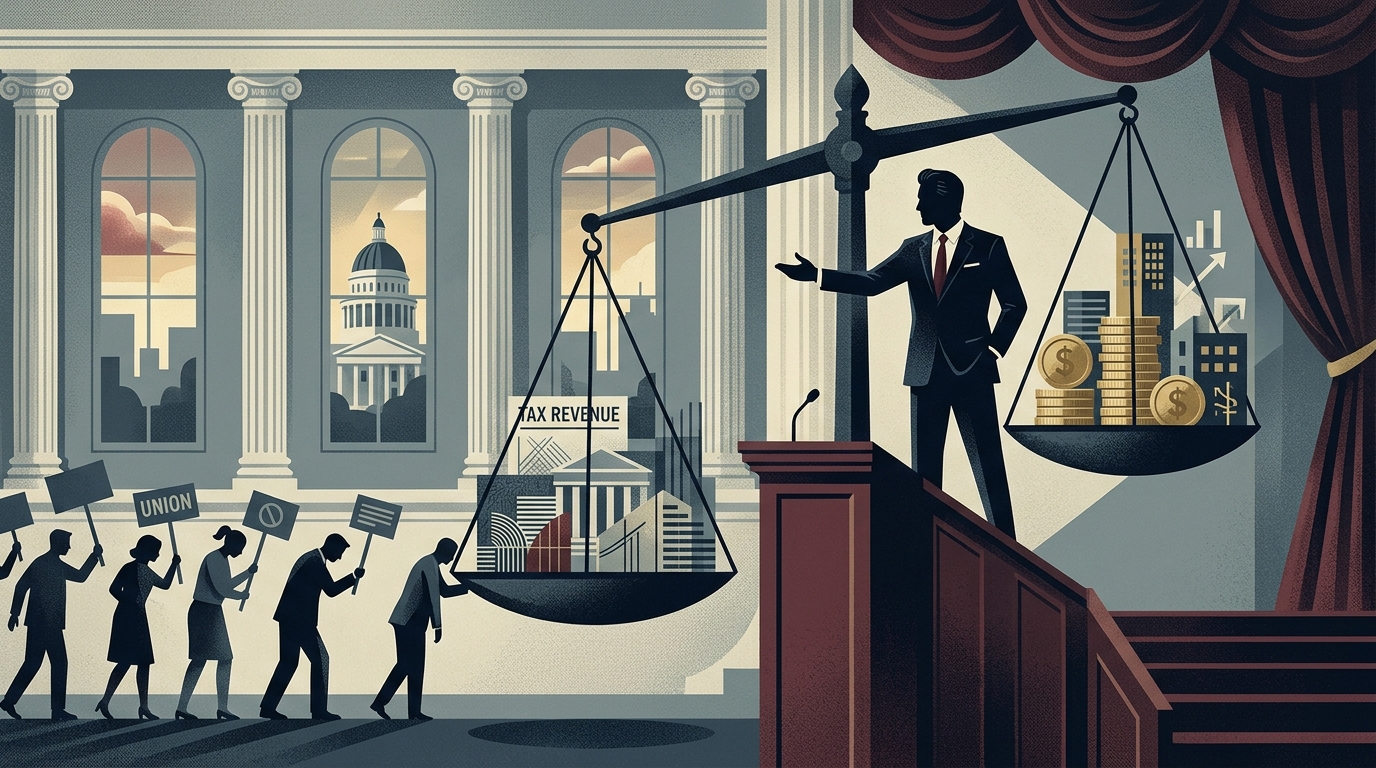
In the sweltering political climate of June 2026, California has become the ultimate testing ground for a fundamental question of modern governance: Can a democratic state effectively tax its wealthiest citizens without triggering an economic exodus? The battle over the proposed "Billionaire Tax" has escalated into a high-stakes poker game where the players include labor unions, tech titans, and a Governor with national ambitions. While the SEIU (Service Employees International Union) appears to be wavering in its resolve, Governor Gavin Newsom is pushing for nothing less than a total legislative and electoral defeat of the measure.
The $118 Million Firewall
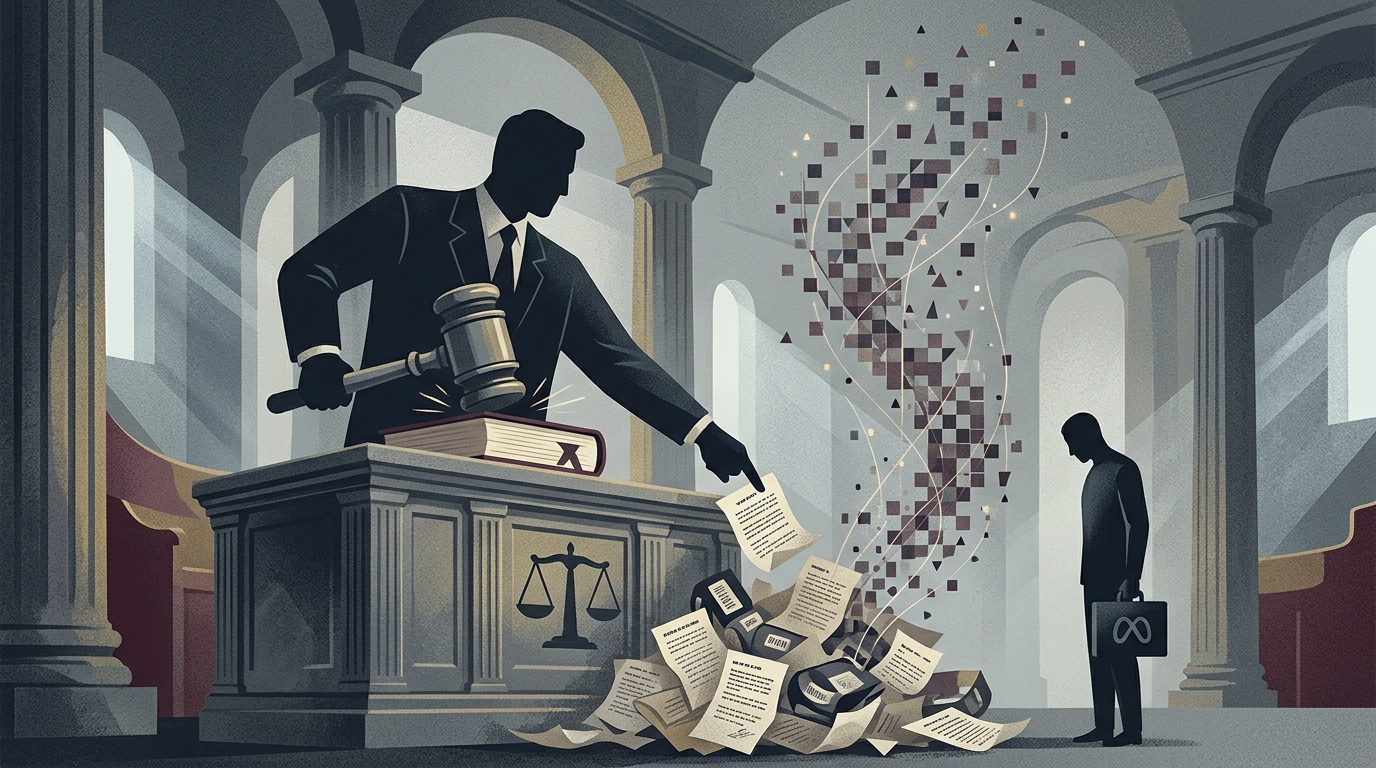
The financial scale of the opposition is staggering. Sergey Brin, the Google co-founder, has emerged as the primary financier of the anti-tax movement, contributing a massive $82 million to a single committee. This committee, comprised of fewer than a dozen ultra-high-net-worth individuals, has raised a total of $118 million to date. This war chest is being deployed with surgical precision to dominate the airwaves and lobby the state legislature, framing the tax not as a social necessity, but as a direct threat to California’s status as a global innovation hub.
The argument from the donor class is rooted in the fear of capital flight. In an era where remote work and global mobility are the norms, billionaires argue that punitive taxation will simply drive the state’s biggest taxpayers to jurisdictions like Texas or Florida. For Brin and his peers, this isn't just about personal wealth preservation; it's about defending the ecosystem of Silicon Valley from what they perceive as ideological overreach. They contend that the tax would dry up venture capital and discourage the next generation of entrepreneurs from planting roots in the Golden State.
Newsom’s Hardline Pragmatism
What makes this conflict particularly compelling is the role of Governor Gavin Newsom. Typically an ally of organized labor, Newsom has broken ranks with the SEIU on this issue. While the union has begun to "blink"—signaling a willingness to negotiate or even withdraw the measure in exchange for smaller concessions—Newsom is reportedly uninterested in a compromise. He wants the measure defeated so decisively that it serves as a deterrent for future wealth-tax proposals.
Political analysts suggest that Newsom’s stance is a calculated move for the national stage. As he positions himself for a potential future presidential run, he needs to prove that he can govern a state as complex as California without succumbing to the "tax and spend" tropes that Republicans use to alienate moderate voters. By crushing the billionaire tax, Newsom presents himself as a pro-business Democrat who can maintain fiscal discipline while managing the most powerful labor unions in the country. It is a risky gamble that risks alienating his progressive base but secures his standing with the donor class and moderate independents.
The Union’s Dilemma and Public Perception
The SEIU finds itself in a precarious position. Having spent millions to get the measure this far, they are now facing a counter-offensive of historic proportions. The internal debate within the union is between those who want to fight to the bitter end to highlight income inequality and those who fear a crushing defeat would diminish the union’s overall political leverage.
"We are fighting for the soul of California’s public services, but we are fighting against an unlimited checkbook,"one union strategist noted anonymously.
The outcome of this struggle will reverberate far beyond California’s borders. If the tax is defeated as soundly as Newsom hopes, it will likely kill the momentum for similar wealth-tax initiatives in other progressive states like New York and Washington. It would demonstrate that even in the most liberal environments, the concentration of wealth provides a level of political defense that is nearly impossible to breach. As the 2026 election cycle heats up, the "Billionaire Tax" remains the most potent symbol of the divide between the working class and the digital aristocracy.