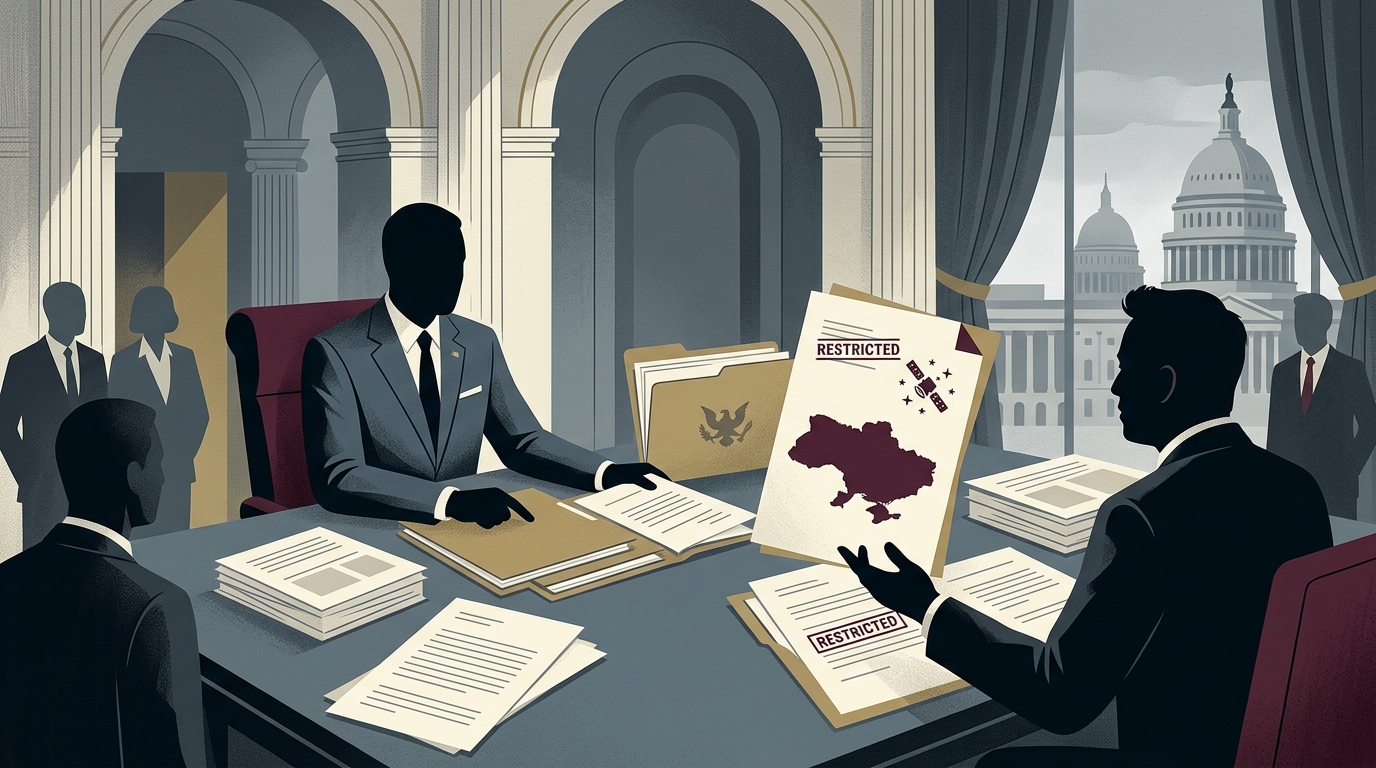
In a move set to reshape the landscape of Silicon Valley, Apple has filed a massive lawsuit against OpenAI, the company it once embraced as a strategic partner. The legal battle, initiated in the U.S. District Court for the Northern District of California, centers on grave allegations of systematic trade secret theft and breach of confidentiality. Apple alleges that OpenAI utilized their partnership for 'Apple Intelligence' as a 'Trojan Horse' to gain access to proprietary technologies concerning on-device AI processing.
The Timeline of a Fallout: From Partnership to Litigation
The relationship between the two giants began with high hopes in 2024, when Apple announced the integration of ChatGPT into the iPhone, iPad, and Mac ecosystems. However, according to Apple's filing, OpenAI allegedly exploited joint working groups to extract information regarding the architecture of Apple's Neural Engine. Apple contends that OpenAI engaged in targeted poaching of top-tier engineers, who reportedly transferred terabytes of data related to the energy efficiency of Large Language Models (LLMs) in resource-constrained environments before their departure.
The lawsuit includes details of internal OpenAI communications where executives allegedly discussed how to 'replicate Apple's magic' in hardware-software integration. This move by Apple is not merely a legal dispute; it is an existential fight to protect its ecosystem. For years, Apple's competitive edge has been its ability to control both the silicon and the operating system. If OpenAI can offer similar levels of optimization on rival platforms using Apple's proprietary techniques, Cupertino's 'walled garden' faces a significant threat.
Aggressive Poaching and Digital Fingerprints
One of the most compelling aspects of the lawsuit is the citation of specific 'brain drain' instances. Apple claims that OpenAI implemented an aggressive hiring policy, offering stock packages worth millions of dollars to critical Apple personnel working on the secretive 'Ajax' project. The allegation is that these employees did not just bring their expertise, but also specific data compression algorithms that allow AI models to run locally without exhausting device battery life.
- Breach of non-disclosure agreements (NDAs) by former executives.
- Unlawful use of proprietary training datasets.
- Replication of neural network optimization techniques.
OpenAI, for its part, issued a brief statement calling the allegations 'baseless' and suggesting that Apple is attempting to stifle innovation through the courts because it has fallen behind in the generative AI race. This clash mirrors the historic Waymo vs. Uber battle over self-driving technology, which ended in a multi-hundred-million-dollar settlement and criminal charges for key individuals.
Implications for the Global AI Market
This legal confrontation is expected to last for years and cost billions in legal fees. However, the greater damage may be the erosion of trust within the industry. If tech giants cease collaboration out of fear of intellectual property theft, the pace of innovation could slow significantly. Furthermore, regulators in the US and the EU are closely monitoring the case, as it raises questions about monopolistic practices and anti-competitive behavior from both sides.
"Intellectual property is the foundation of our innovation. We will not allow any company, regardless of their influence, to build their future on the stolen foundations of our engineers' work," an Apple spokesperson stated.
In the long run, Apple's move may signal its decision to develop entirely proprietary AI models, independent of third-party providers like OpenAI or Google. July 11, 2026, will be remembered as the day the 'alliance of convenience' in the AI world finally shattered, giving way to an uncompromising war of attrition.