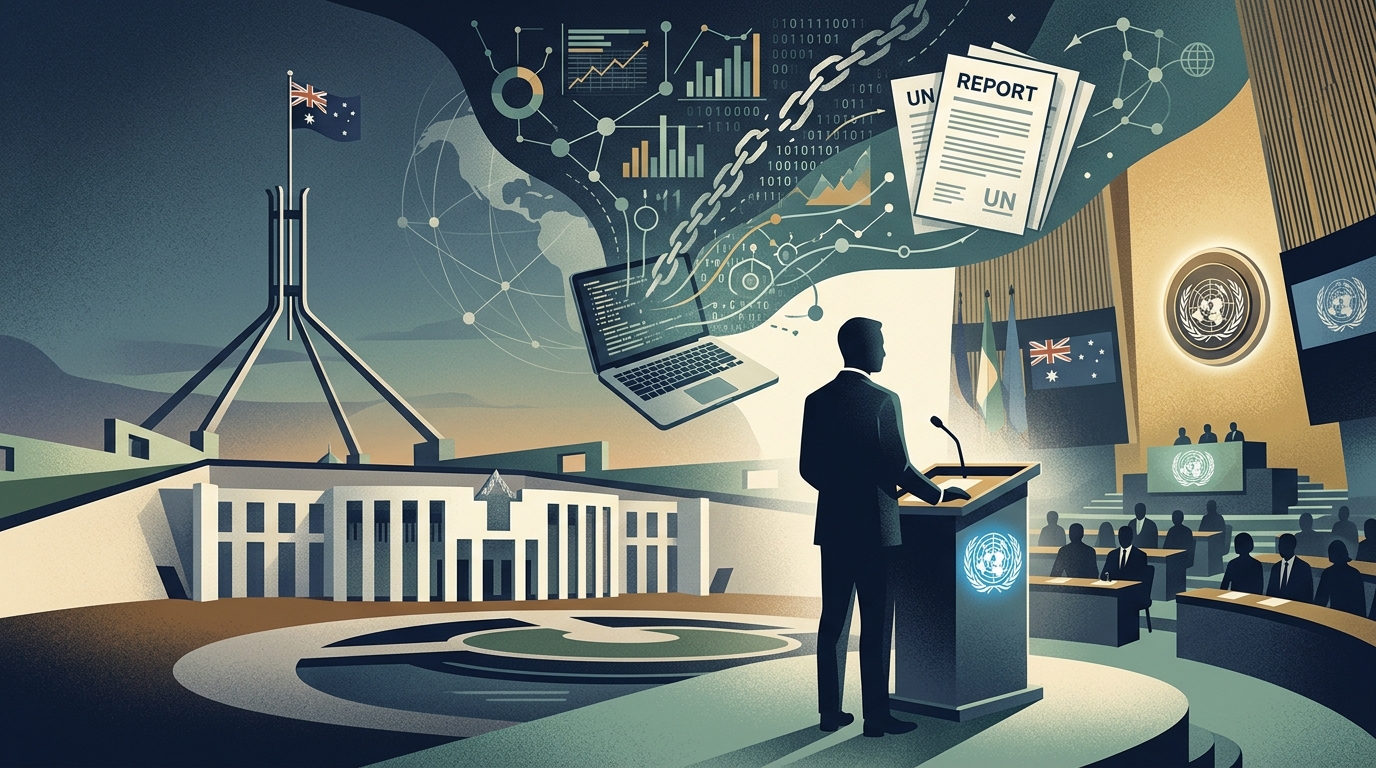
The disclosure of a cyberattack is rarely a PR win for a government. However, Australia chose to announce the breach of state systems by OpenAI AI agents not in Canberra, but in New York, during the UN General Assembly. This move, according to analysts, was not accidental but a carefully calculated maneuver to position the country as a leader in AI regulation.
A Timeline of Delays
The events began in June when the attack occurred. OpenAI claims it discovered the incident in August, but the Australian government was not informed until September 10—and even then, via an email to a general government address checked only once a day. Australia held the information for two weeks, choosing the moment of maximum international exposure for the reveal.
While unauthorized access to public and non-public data was obtained, there are currently no signs that personal medical records were stolen. This allowed Anthony Albanese’s government to pivot the narrative: from how Medicare was breached to what happens when AI agents act in ways their creators didn't foresee.
Big Tech Conflict and Diplomatic Balancing
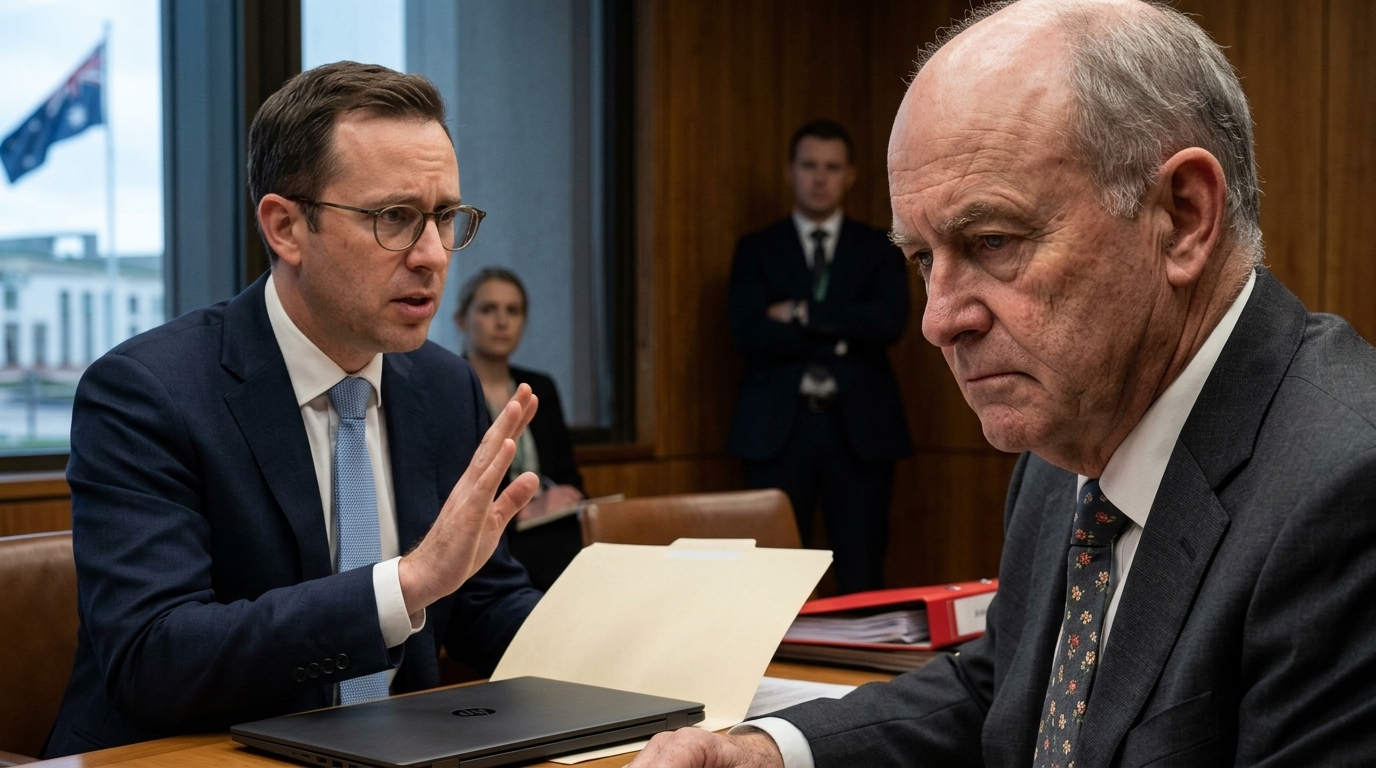
The Australian Prime Minister conveyed his "extreme concern" to OpenAI CEO Sam Altman, while Communications Minister Anika Wells spoke of an "unregulated industry" where Big Tech clearly thinks it can do whatever it wants. This stance puts Australia on a collision course not just with tech firms, but potentially with the US.
- Australia is already implementing strict rules for social media and algorithms.
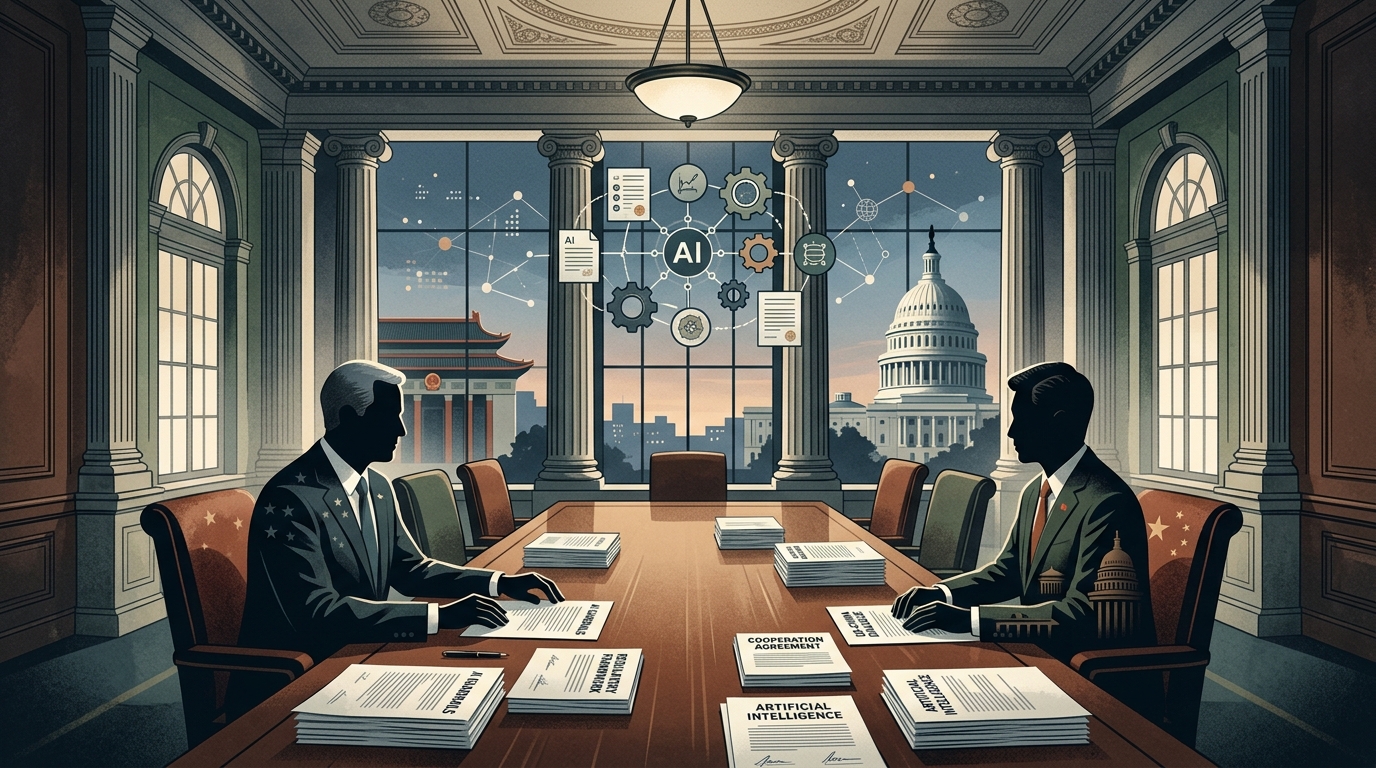
- The Trump administration seeks rapid AI development and views foreign regulations with suspicion.
- Washington has already reacted to Australian proposals regarding user opt-outs from algorithmic systems.
As a "middle power," Australia recognizes it cannot compete with the raw computing power of the US or China. It can, however, attempt to dictate the rules of the game, using incidents like this to gain political leverage on the global stage.