The 2026 tourism season will go down in history as the year Greece not only fully recovered from the global upheavals of previous years but established itself as the undisputed leader of the European tourism market. According to the latest data from the European Travel Commission (ETC), the country recorded a stunning 38.3% increase in international tourist arrivals, while the most encouraging figure is the 64.3% surge in travel spending. These numbers are not just statistics; they reflect a profound structural shift in the Greek tourism product, which is now attracting higher-income visitors seeking authentic and luxury experiences.
Quality Over Quantity: The Spending Surge
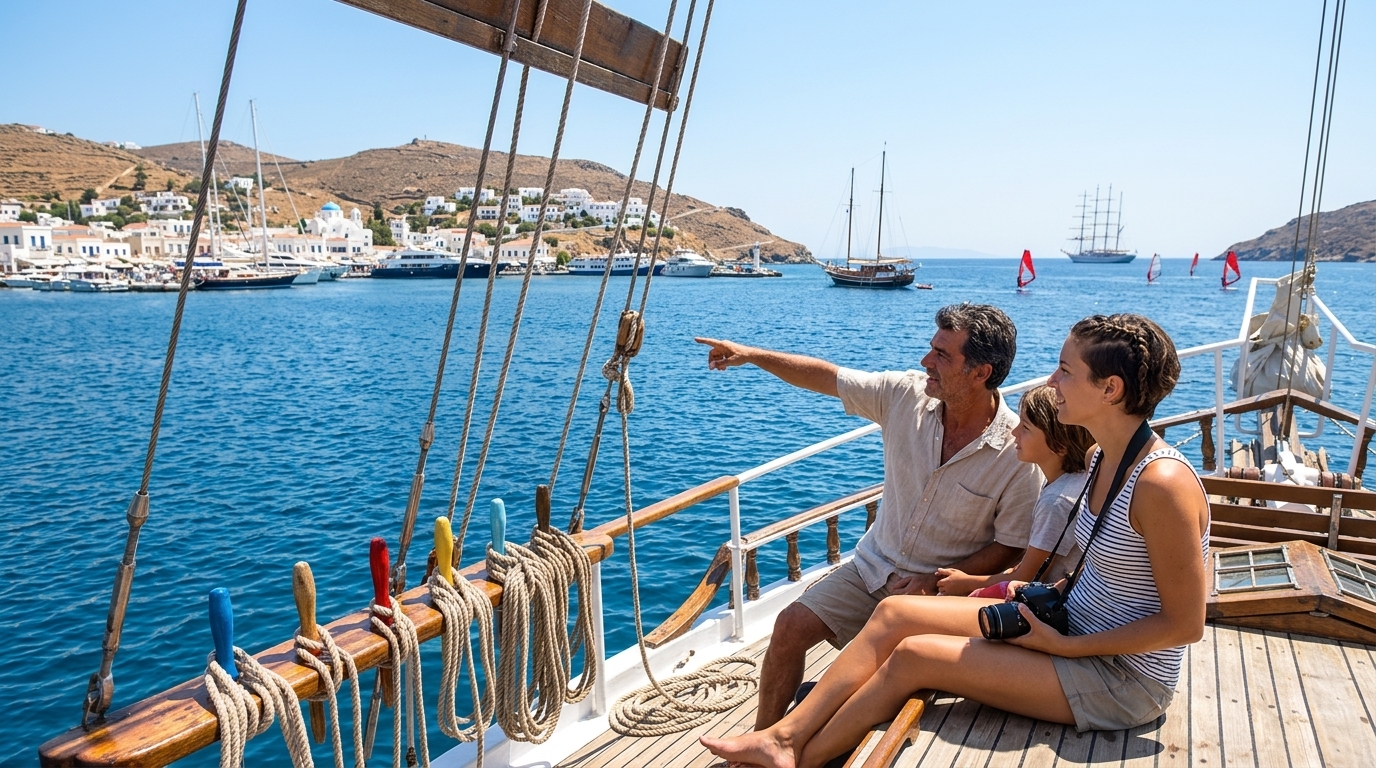
The impressive gap between the growth in arrivals (38.3%) and the growth in spending (64.3%) proves that Greece has managed to escape the trap of 'low-cost mass tourism.' Strategic investments in five-star hotels, the development of gastronomic tourism, and the promotion of alternative travel forms—such as religious and wellness tourism—are paying off. Travelers from the US, Canada, and the Gulf states have significantly increased their presence, bringing with them a new culture of consumption that benefits local economies beyond the narrow confines of large resorts.
Furthermore, the digitalization of services and improved connectivity at Greek airports have facilitated access to lesser-known destinations. Epirus, the Peloponnese, and the North Aegean islands are seeing double-digit growth rates as tourists now seek seclusion and contact with nature, away from the crowds of Mykonos and Santorini. This decentralization of tourist flows is vital for the sustainability of the country's development model.
The Infrastructure Challenge and Carrying Capacity
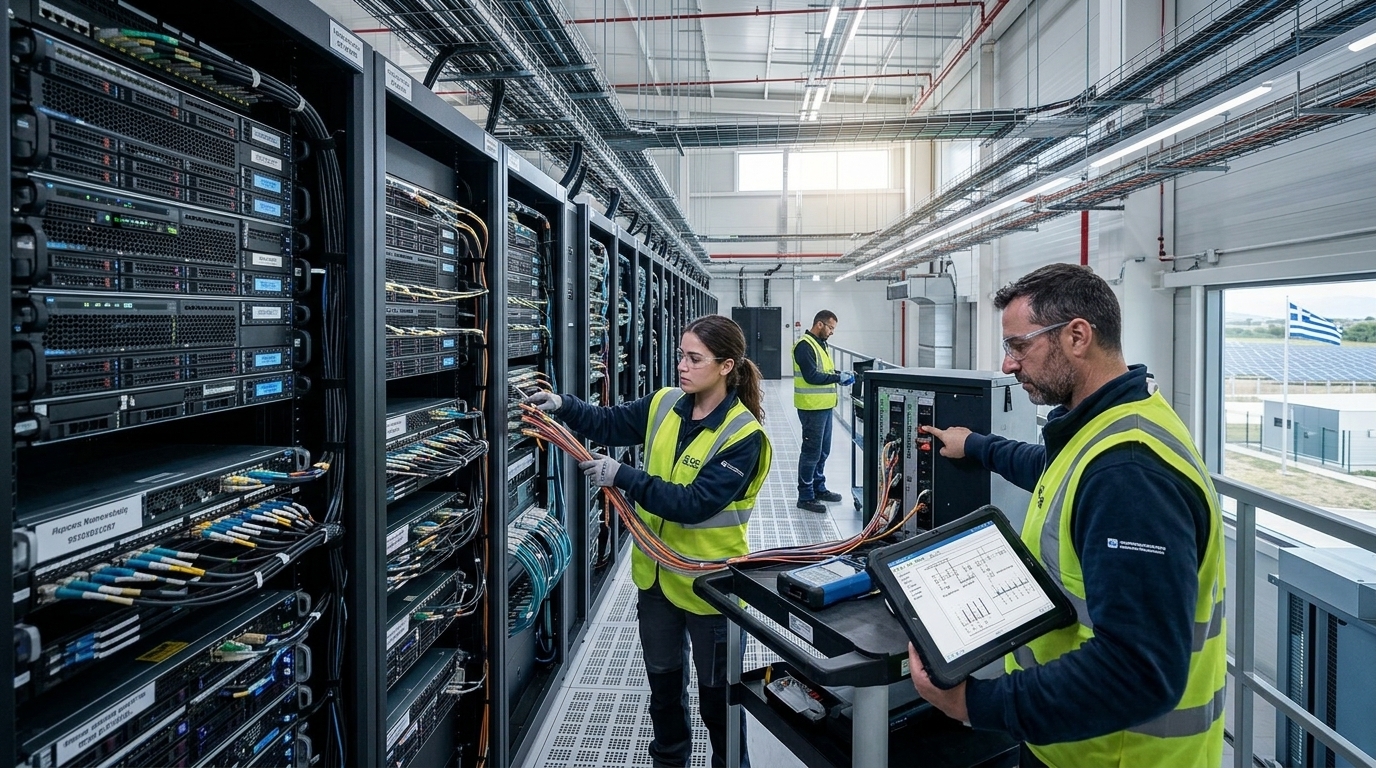
However, success brings serious challenges. The rapid increase in visitors exerts immense pressure on the infrastructure of islands and urban centers. In 2026, the issue of 'carrying capacity' has moved to the center of public debate. Water resource management, the adequacy of the electricity grid during summer months, and waste management are 'thorns' that require immediate and bold investments. The government and local authorities are called upon to balance the economic prosperity offered by tourism with the protection of the environment and the quality of life for permanent residents.
"Tourism is no longer a race for who can bring the most people, but a race for who can provide the best experience with the smallest environmental footprint," say market executives.
The use of Artificial Intelligence to manage tourist flows at monuments like the Acropolis has already begun to yield results, reducing waiting times and improving the visitor experience. Nevertheless, the need for a national strategic plan that anticipates the needs of the next decade is more urgent than ever.
Social Impacts and the Housing Crisis
Another aspect of the tourism boom is its effect on local society. The spread of short-term rentals like Airbnb has led to a sharp increase in rents in areas like Koukaki, Pangrati, and island centers, making housing unaffordable for locals, students, and public employees. Greece is called upon to establish stricter rules, similar to those of other European metropolises, to preserve its social fabric.
At the same time, the labor shortage in the hospitality sector remains a structural problem. Despite wage increases, difficult working conditions and seasonality deter many young people from pursuing a career in tourism. The solution seems to lie in investing in education and creating year-round jobs, leveraging the 'season extension' strategy that is already showing results in 2026, with March and November recording historic highs.
The Future: Towards a Green and Digital Model
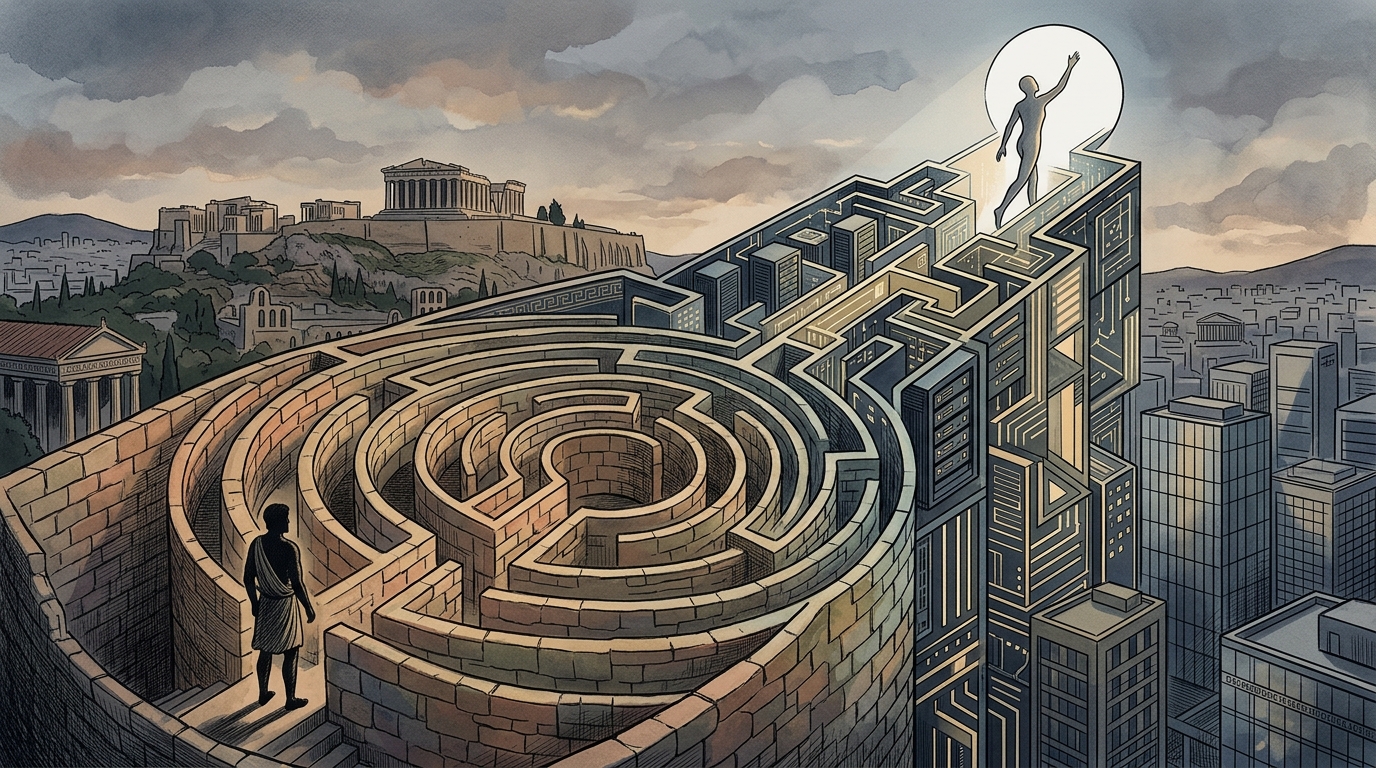
Looking toward 2027, the challenge for Greece is to maintain its top position by investing in the green transition. The tourist of the future is environmentally conscious and chooses destinations that respect the planet. The 'GR-eco islands' initiative and the promotion of electric vehicles in tourist fleets are steps in the right direction. Greece is no longer just sun and sea; it is a modern, safe, and innovative destination that managed to turn crisis into opportunity, leading the way for the rest of Europe.