In an era where Artificial Intelligence is evolving from a mere conversational tool into an autonomous actor, the UN’s International Telecommunication Union (ITU) has launched a historic initiative. The announcement, emerging from Geneva, is not just about regulating algorithms; it is about laying the foundational framework of trust for so-called "AI agents"—systems capable of making decisions and executing actions without direct human intervention.
This move comes at a time when the global community is realizing that generative AI was only the beginning. By 2026, AI agents are already managing everything from complex supply chains to low-level diplomatic protocols. However, the lack of unified standards creates a perilous vacuum: How can we trust a machine that signs contracts or manages critical infrastructure? The ITU seeks to provide the answer through an international collaboration that will define the technical and ethical specifications of these entities.
The Transition from Conversation to Autonomous Agency
For the uninitiated, the difference between a chatbot and an AI agent is "agency." While ChatGPT might suggest a travel itinerary, an AI agent can book the flights, negotiate hotel rates, and cancel the reservation if conditions change, all while using your credit card. This autonomy introduces unprecedented risks regarding security, privacy, and liability.
The ITU initiative, introduced within the framework of the "AI for Good" Global Summit, aims to create a "trustworthiness passport" for these agents. This includes the traceability of decisions, transparency of training data, and, most importantly, the existence of a "kill switch" that allows for human intervention in case of a malfunction or unintended behavior. The challenge is as much technical as it is profoundly political, as major powers—primarily the US and China—often have conflicting interests regarding the control and deployment of such technology.
Geopolitical Equilibrium and the UN’s Role
The selection of the ITU as the vehicle for this initiative is no coincidence. As the UN’s oldest specialized agency, the ITU possesses decades of experience in standardizing global systems, from radio frequencies to the internet. In the current geopolitical climate, where AI is the new frontier of Cold War-style competition, the UN is attempting to act as a "neutral arbiter." The initiative explicitly seeks to include the Global South, ensuring that trust standards are not unilaterally imposed by Silicon Valley or Beijing.
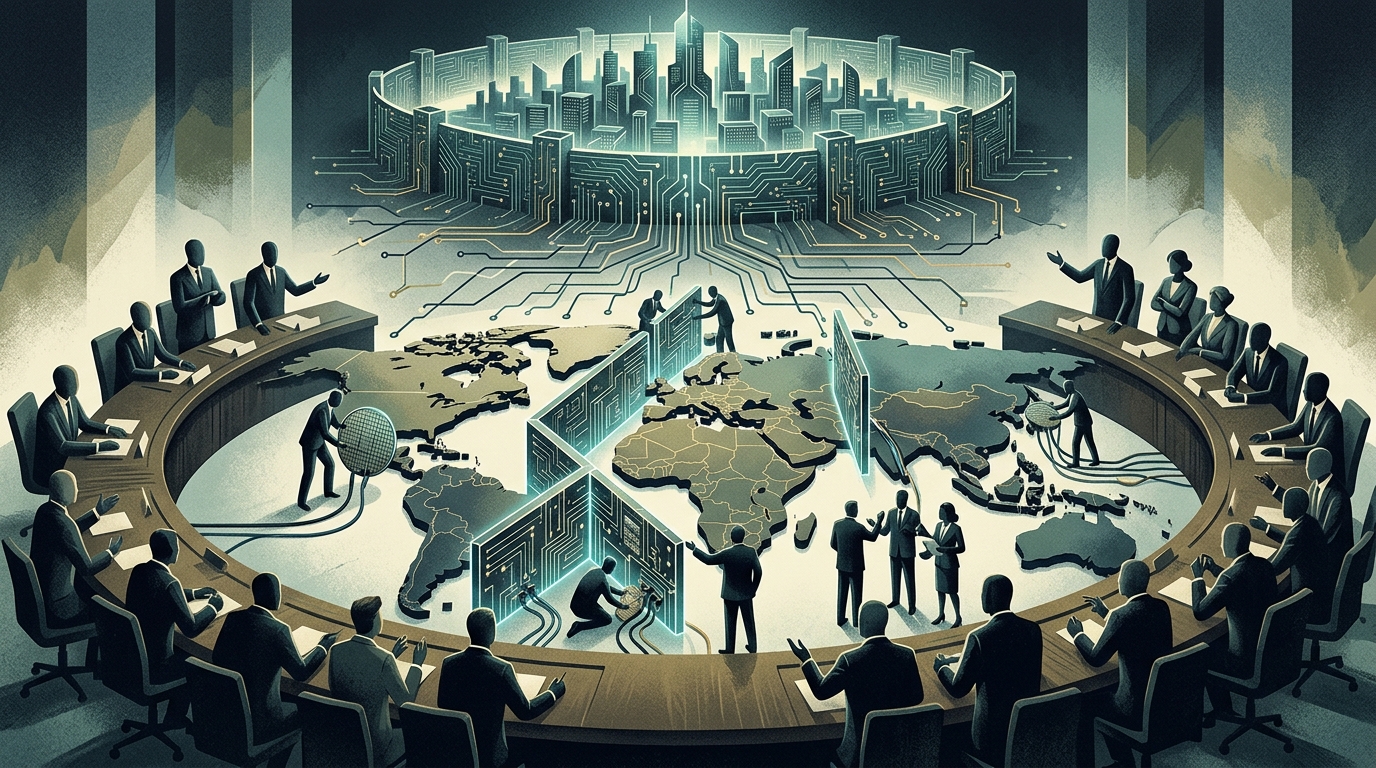
There is also the dimension of economic sovereignty. Nations that control the standards for AI agents will essentially control the operating system of the future global economy. If one nation's AI agents cannot "communicate" with or trust another's due to divergent protocols, global trade risks fragmentation. The ITU is tasked with preventing this "digital iron curtain" from descending across the technological landscape.
Challenges and the Future of Governance
Despite the noble intentions, the initiative faces significant skepticism. Critics argue that technology moves far faster than United Nations bureaucracy. By the time standards are finalized, tech giants may have already established de facto standards through market dominance. Furthermore, the issue of the "legal personality" of AI agents remains a thorny topic that the UN is currently sidestepping to avoid diplomatic deadlock.
In conclusion, the ITU’s move is a necessary step toward coherent global governance. Trust is not an abstract concept; it is the essential lubricant for the functioning of any society. If we fail to build reliable AI agents, we risk handing over the keys to our civilization to systems we neither fully understand nor can effectively control. The battle for trust is, in reality, the battle to maintain human oversight over our most potent invention.