The news that Ben Bernanke, the man who led the U.S. Federal Reserve through the 2008 global financial crisis and was awarded the Nobel Prize in Economics, is joining Anthropic is more than just a high-profile hire. It is a statement of intent. Anthropic, the company behind the Claude AI model—which positions itself as the "safe" alternative to OpenAI—is now turning to figures who understand how to manage systemic risks capable of shaking the foundations of society.
Bernanke will join Anthropic’s Long-Term Benefit Trust (LTBT), a unique corporate governance body designed to oversee the company’s board of directors. At a time when artificial intelligence is transitioning from a laboratory experiment into critical infrastructure for the global economy, the presence of a technocrat with Bernanke’s gravitas suggests the industry is bracing for an era of rigorous regulation and institutional accountability.
The Architecture of Trust: Understanding the LTBT
To grasp the significance of this move, one must examine Anthropic’s structure. Unlike traditional tech firms, Anthropic is a Public Benefit Corporation. The LTBT was created as a safeguard to ensure that the pursuit of profit never overrides the safety and ethical development of AI.
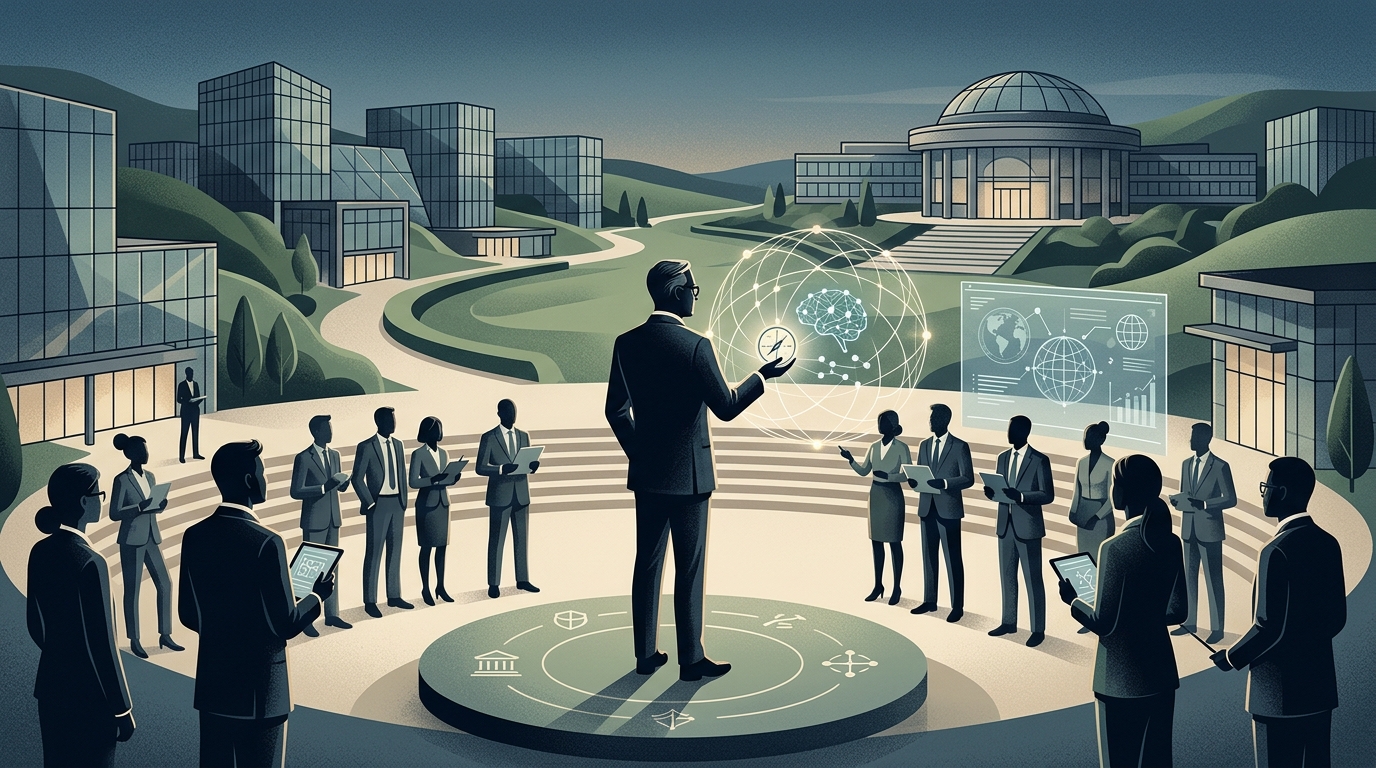
The Trust consists of five independent trustees who hold no financial interest in the company. These individuals have the power to appoint and remove board members, acting as a "collective guarantor" of Anthropic’s mission. Adding Bernanke to this body brings an expertise rare in Silicon Valley: the ability to foresee how complex system interactions can lead to catastrophic outcomes.
"Managing artificial intelligence requires the same discipline and long-term thinking needed for financial system stability," market analysts suggest.
From Monetary Policy to Algorithms
But why would a central banker care about large language models? The answer lies in the concept of "systemic risk." During his tenure at the Fed, Bernanke witnessed how the interconnectedness of banks could trigger a global collapse. Today, many believe AI poses similar risks: from misinformation that can destabilize democracies to automation that could disrupt the labor market on a massive scale.
Bernanke brings a culture of "prudential supervision." His involvement sends a clear signal to regulators in Washington and Brussels: Anthropic is not a rogue startup, but a responsible actor seeking alignment with the establishment. This is particularly vital as the company has secured billions in investment from giants like Amazon and Google, creating inevitable pressure for rapid commercialization.
The Challenge of Independence
However, the move is not without its critics. Some wonder if the inclusion of such figures is an attempt at "regulatory capture"—an effort by AI companies to shape the rules that will govern them before they are even written. Bernanke, who also serves as an advisor to firms like Citadel, is well-versed in the boundaries between public service and private interest.
The ultimate test for Anthropic is whether the LTBT can truly stand in the way of a decision that favors profits over safety. With Bernanke in an oversight role, the company gains someone who is not afraid to make unpopular decisions under immense pressure. History will judge whether the methods of central banking can successfully tame the explosive evolution of algorithms.
Conclusion: A New Era of Governance
This move underscores the AI industry’s transition from the "move fast and break things" phase to a period of institutional maturity. Anthropic is betting that safety is not just an ethical imperative, but a competitive advantage. In a world increasingly wary of unchecked technology, the signature of a Nobel-winning economist is perhaps the most potent "certificate of credibility" Silicon Valley could acquire.