In a speech that will be remembered for its somber honesty, the British Foreign Secretary painted a nightmarish picture of the future, where Artificial Intelligence (AI) is not merely a tool for economic growth, but a potential catalyst for global catastrophe. Against a backdrop of ongoing instability in Eastern Europe and escalating tensions in the Middle East, London's intervention underscores a fundamental shift in Western geopolitical doctrine: technology is no longer the future, but the primary front of the present.
The Return of Kinetic War and the Digital Factor
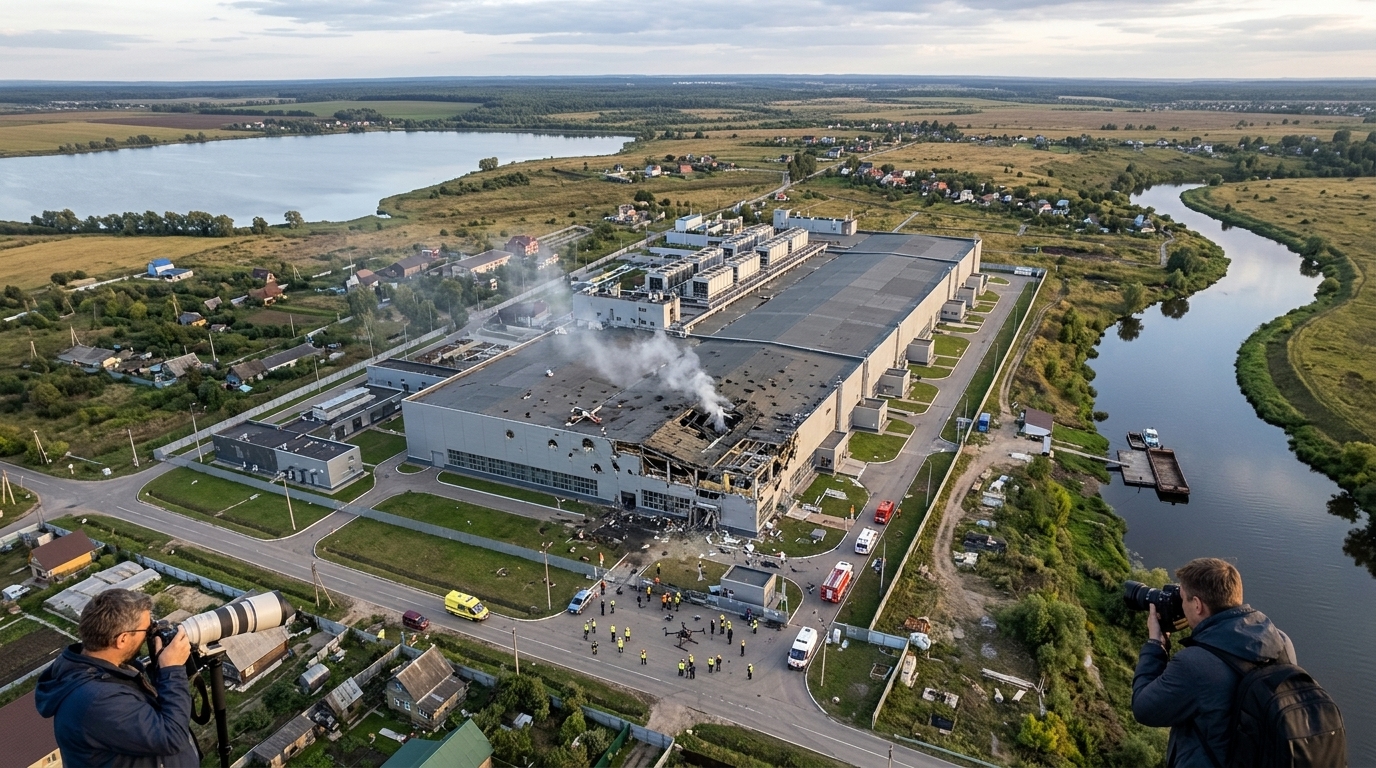
The assertion that "conflict has returned to Europe" is not just an observation, but a reminder that the peace we took for granted since 1945 has been fractured. However, the difference in this new era of conflict lies in the integration of AI at every level of the military and diplomatic chessboard. The Foreign Secretary emphasized that the speed at which AI can analyze data, direct autonomous systems, and conduct cyberattacks drastically reduces the time available to leaders for decision-making, increasing the risk of accidental escalation.
According to the Foreign Office's analysis, AI acts as a "force multiplier" that can destabilize nuclear deterrence. When algorithms take over surveillance and threat response, the human element—with its capacity for hesitation and moral judgment—is sidelined. This creates an environment where a misinterpretation by an AI system could trigger a chain reaction with catastrophic consequences for humanity.
British Strategy and International Security
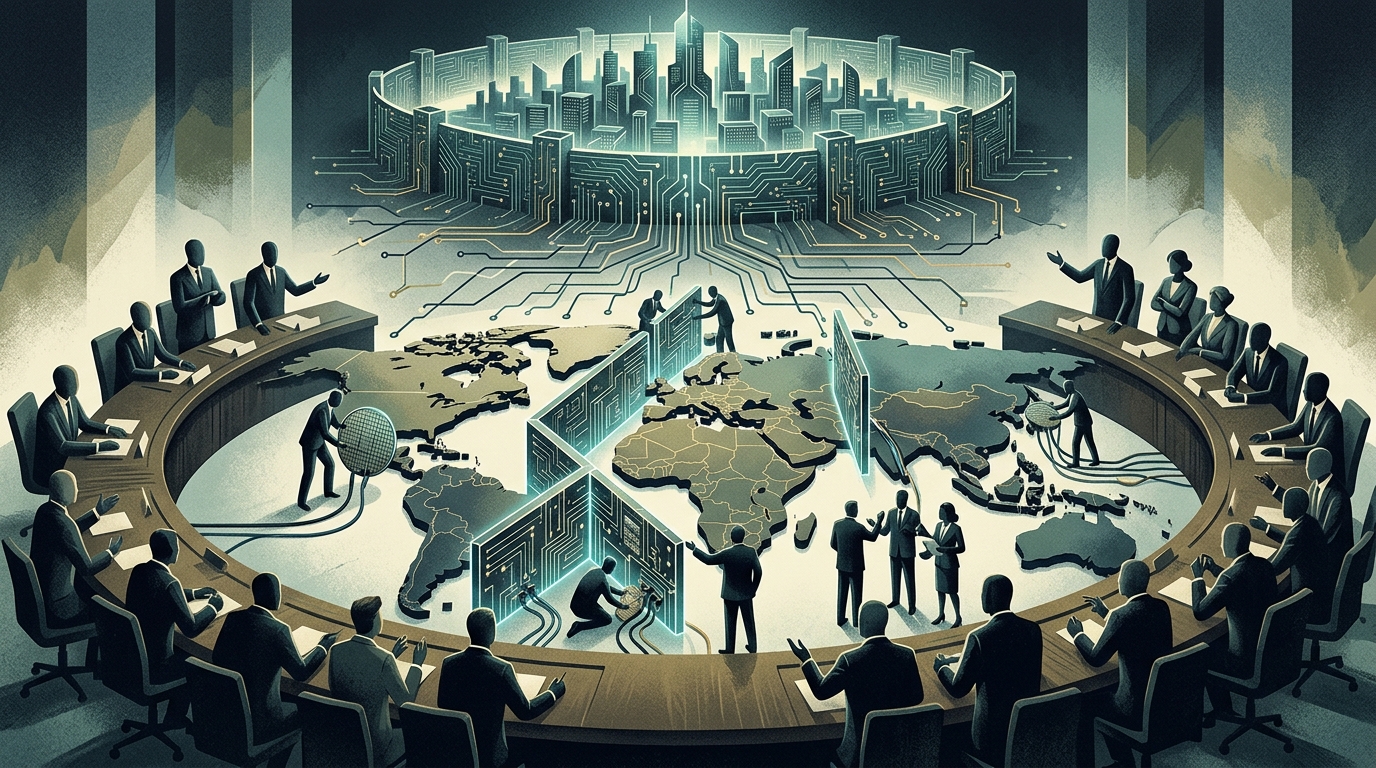
The United Kingdom, seeking to maintain its role as a global regulator in AI safety following the legacy of the Bletchley Park Summit, is now proposing a stricter international control architecture. The Foreign Secretary called for the creation of "digital borders" and international treaties that would ban the full automation of nuclear command and control systems. The warning is clear: if rules are not established now, technology will outpace diplomacy.
- Need for transparency in military algorithms.
- Creation of "red lines" for AI in critical infrastructure.
- Strengthening intelligence cooperation to prevent AI use by non-state actors.
The reference to the return of conflict in Europe is inextricably linked to hybrid warfare. The use of AI to generate mass disinformation (deepfakes) and undermine social cohesion constitutes, according to London, a form of "invisible invasion" that precedes or accompanies physical conflicts. Protecting democracy now requires technological shielding as robust as military defense.
The Dilemma of Innovation vs. Security
While Britain warns of catastrophe, it also faces the dilemma of balance. Excessive regulation could lead to technological lagging behind adversaries who are not bound by ethical constraints. However, the Secretary's position is that "security is the prerequisite for progress." Without a stable international framework, the competition for AI dominance turns into a new arms race, similar to that of the Cold War, but with much faster rhythms and less predictability.
"We cannot allow algorithms to write the final chapter of human history," he stated emphatically, highlighting the need for a new "techno-diplomacy."
In conclusion, the British Foreign Secretary's warning serves as a wake-up call. AI is no longer a subject that concerns only scientists or Silicon Valley entrepreneurs. It is the central issue of national security and global survival. In a Europe that is burning once again, the management of artificial intelligence may be the difference between peaceful coexistence and a technologically accelerated abyss.