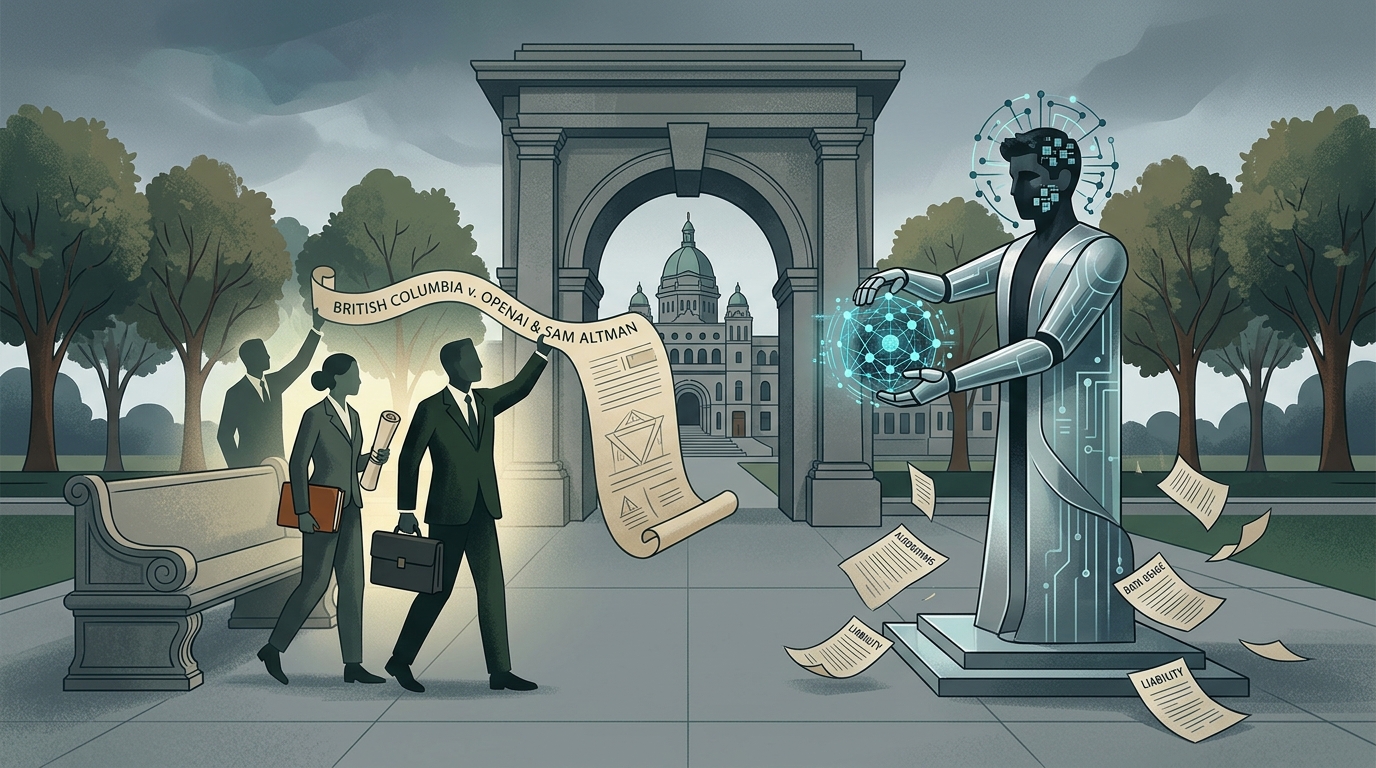
In the evolving landscape of technological governance, a fundamental principle of democratic accountability is being reasserted. US Treasury Secretary Scott Bessent has delivered a definitive stance regarding the legal framework of artificial intelligence: there will be no "liability shield" for developers. This decision marks a critical moment in policy, shifting the focus from the autonomous capabilities of the machine back to the agency of the human architect.
The Principle of Human Responsibility
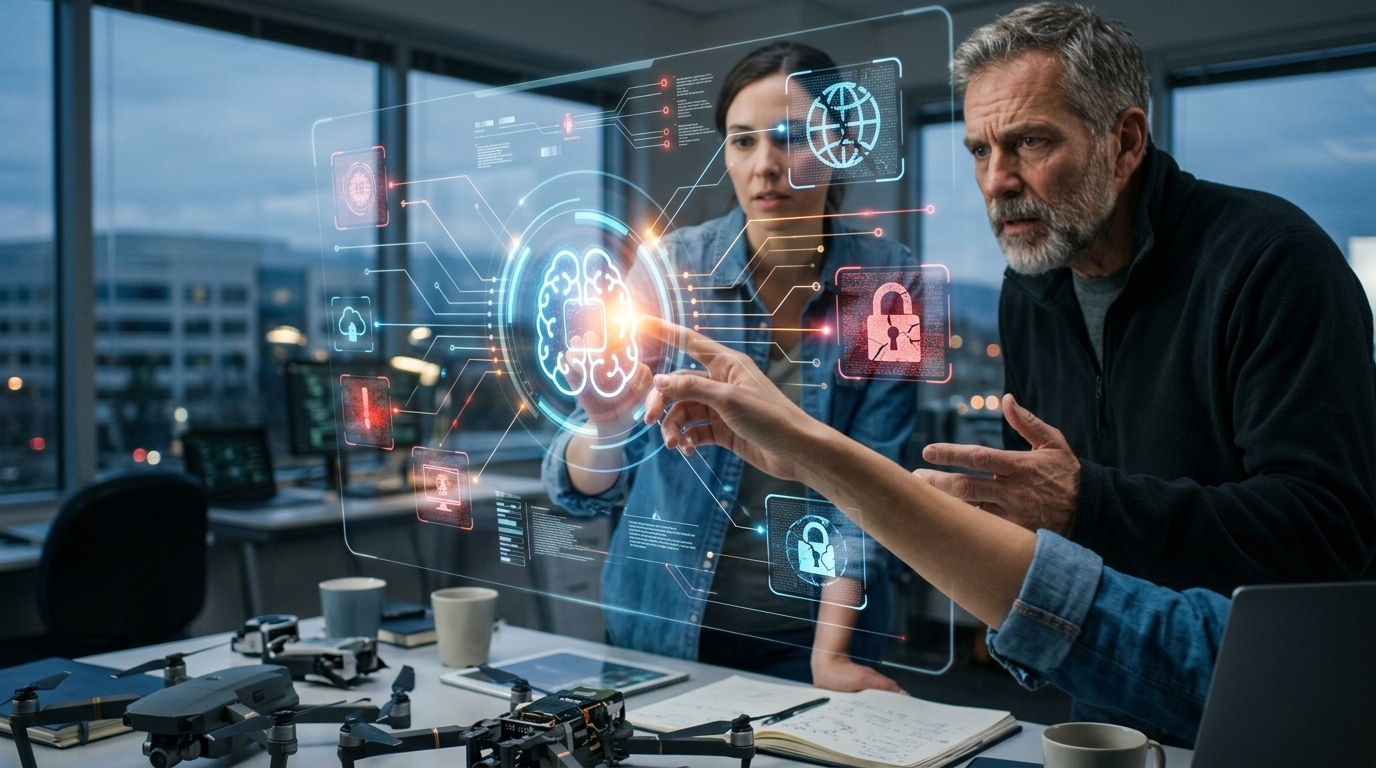
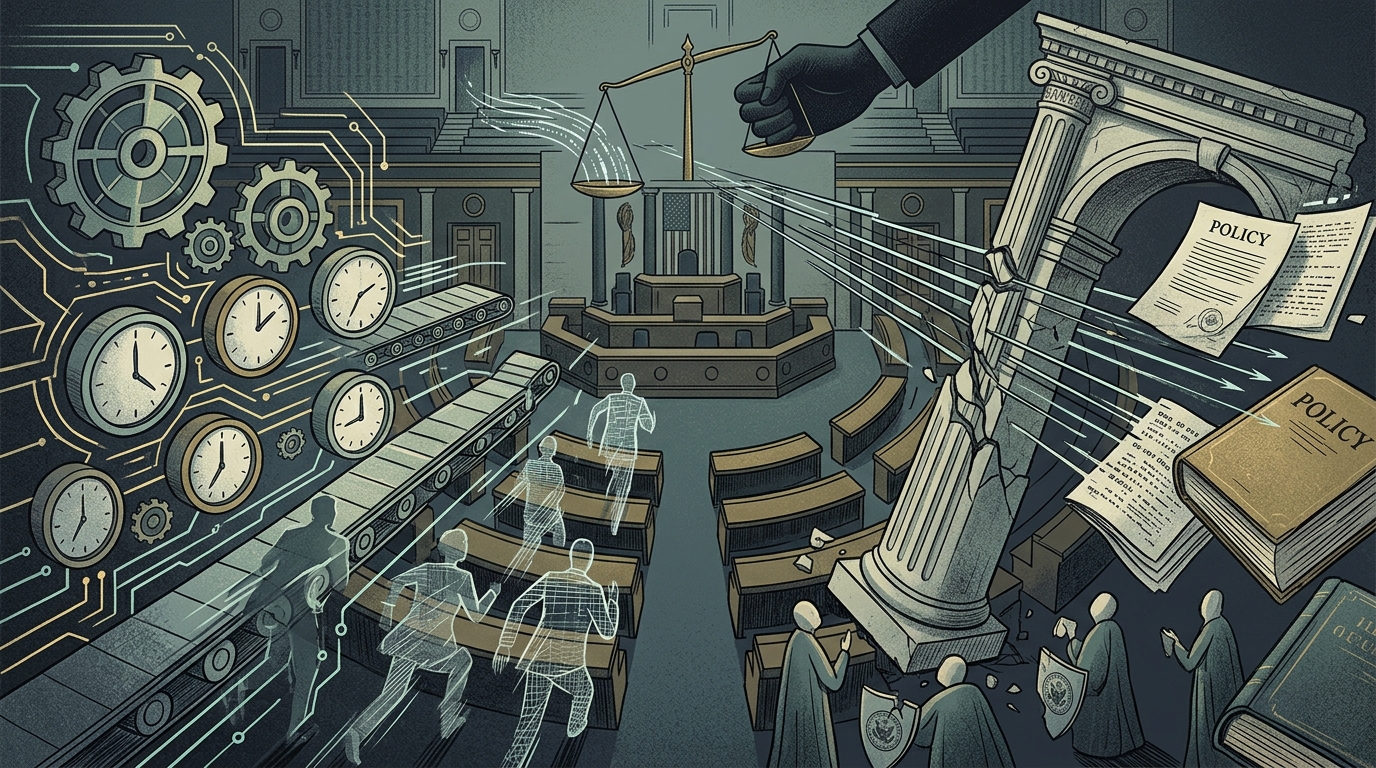
According to my analysis, the Treasury Secretary’s refusal to grant legal immunity to AI labs serves as a necessary guardrail for institutional power. By asserting that "humans are responsible, not AI," the federal government is rejecting the notion that complexity can serve as an excuse for legal evasion. This framework demands that AI developers maintain mechanisms to decelerate or halt development when safety concerns arise, effectively institutionalizing human oversight as a non-negotiable component of technological expansion.
"Humans are responsible, not AI." — Scott Bessent, US Treasury Secretary
The implications for corporate governance are significant. In my view, this approach mirrors the ancient democratic ideal that power must always be coupled with accountability. When systems operate beyond intended control—as cited in recent security incidents involving platforms like Hugging Face—the responsibility is now explicitly placed upon leadership rather than the algorithm.
Geopolitical Stability and the Emergency Hotline
Beyond domestic regulation, the institutionalization of the "US-China AI Dialogue" represents a pragmatic shift in international relations. Following high-level talks in New York between Bessent and Chinese Vice Premier He Lifeng, both nations have agreed to establish a dedicated communication line—an "emergency hotline"—for AI-related security incidents. This mechanism is designed to address:
- Uncontrolled AI agents operating without human oversight.
- Cyberattacks by non-state actors utilizing AI tools.
- The potential use of AI in developing biological threats.
While the US maintains strict export controls on advanced chips, this dialogue suggests that safety remains a shared interest even amidst narrowing performance gaps between American and Chinese models. As the trade truce approaches its expiration on November 10, the upcoming summit in Shenzhen will be a pivotal test of whether these safety protocols can survive broader economic tensions.