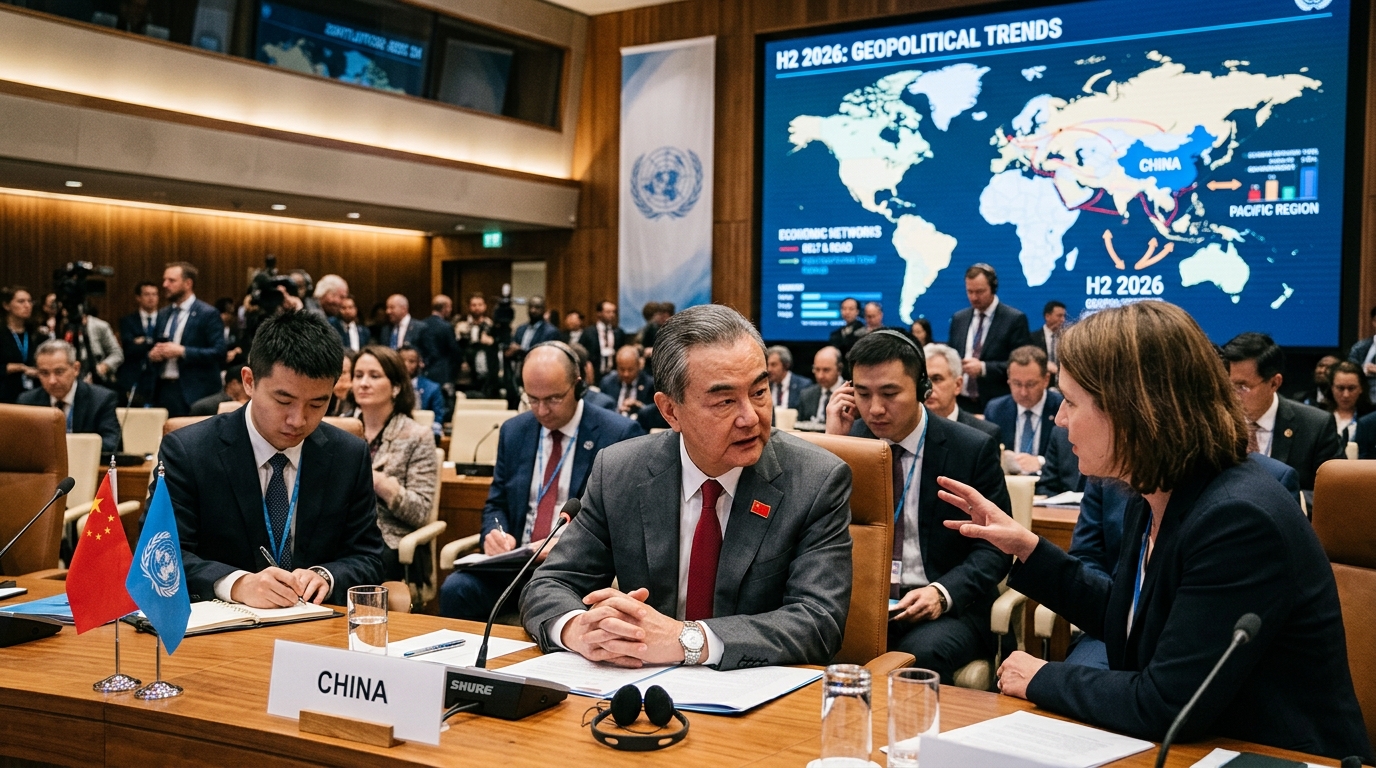
As the calendar turns to July 2026, the global geopolitical stage finds itself at a critical juncture. China, under the leadership of Xi Jinping, is no longer merely the "factory of the world" but a technological and military giant asserting dominance in sectors once considered the exclusive domain of the West. The second half of the year is expected to be decisive, with trade tensions, the Artificial Intelligence race, and regional disputes dominating the agenda.
Trade Confrontation and the Green Transition
One of the most significant issues analysts will monitor in the coming months is the escalation of the trade war between the European Union, the US, and China, centered on electric vehicles (EVs) and green technologies. China has invested billions into the battery supply chain, allowing its manufacturers to offer prices that Western automakers cannot compete with without protective measures.
Brussels and Washington have already imposed tariffs, citing unfair state subsidies from Beijing. However, China is not standing idly by. Retaliatory measures targeting European agricultural products or luxury goods are expected, creating a cycle of protectionism. The question for H2 2026 is whether a compromise will be reached or if we are headed toward a complete fragmentation of global trade, which could delay the very green transition that all sides claim to champion.
The Tech Cold War: Chips and AI
On the technology front, control over semiconductors remains the "holy grail" of geopolitical power. Despite strict export restrictions on advanced lithography machines from the US and the Netherlands, China has shown remarkable resilience, developing domestic solutions that approach cutting-edge technology. Beijing's focus on "New Productive Forces"—a term frequently used by Chinese leadership—indicates a strategic shift toward high technology as the primary driver of economic growth.
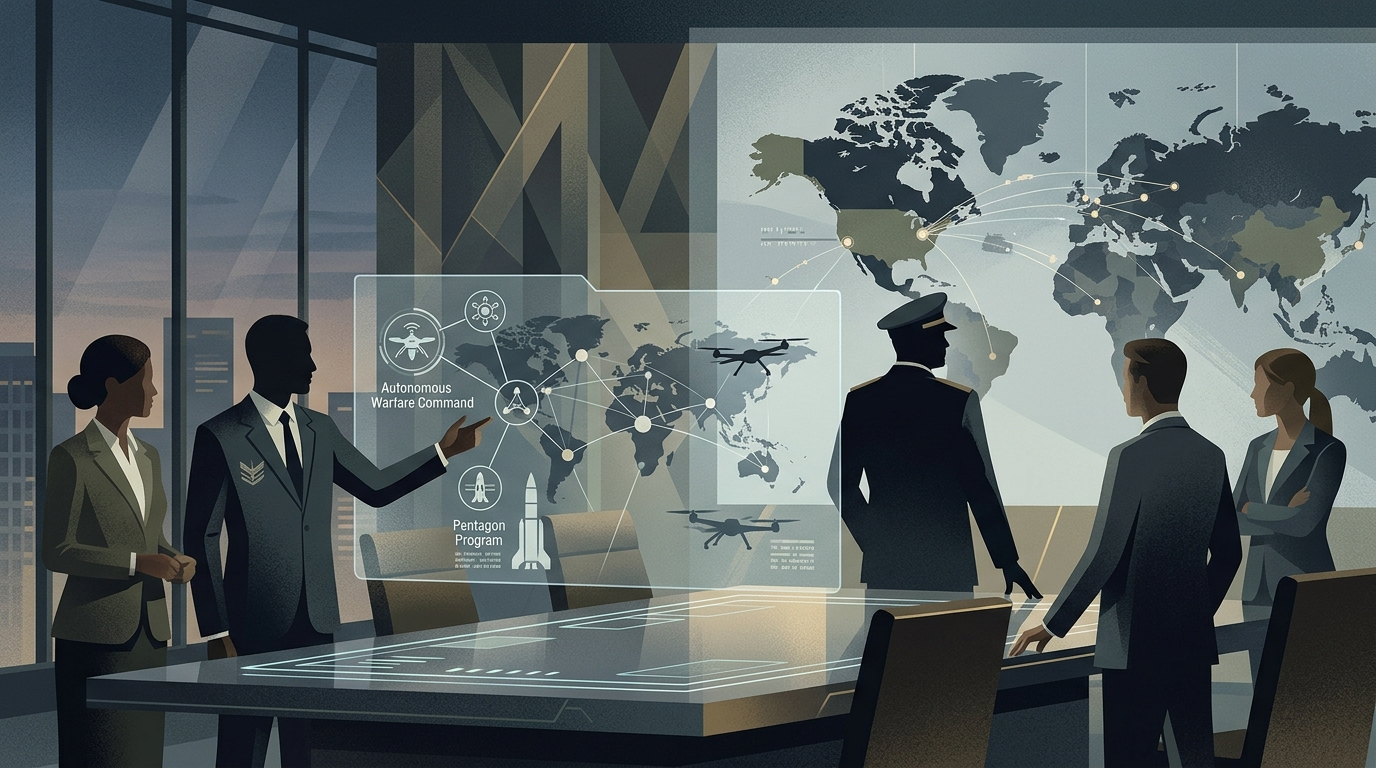
Artificial Intelligence is the new battlefield. While the US maintains a lead in Large Language Models (LLMs), China excels in applying AI to industrial production and surveillance. Over the next six months, we will see if China can bridge the gap in computing power or if the lack of advanced chips will finally begin to stall its ambitions. Simultaneously, the debate over AI ethics and governance at the international level will be tested as China promotes its own model of "digital sovereignty."
Internal Economy and Social Stability
We cannot analyze China's foreign policy without considering its internal state. The real estate crisis continues to cast a long shadow over the Chinese economy, affecting consumer confidence. The second half of 2026 will reveal if the stimulus measures taken by the central government are sufficient to prevent a prolonged period of stagnation, similar to Japan's "lost decade."
- The demographic crisis: China's population is shrinking, putting pressure on the social security system and the labor market.
- Youth unemployment: It remains at high levels, causing concern for social cohesion.
- The shift to consumption: Beijing is attempting to transition the economy from export-led to consumption-led, a difficult and painful process.
Geopolitical Flashpoints: Taiwan and the South China Sea
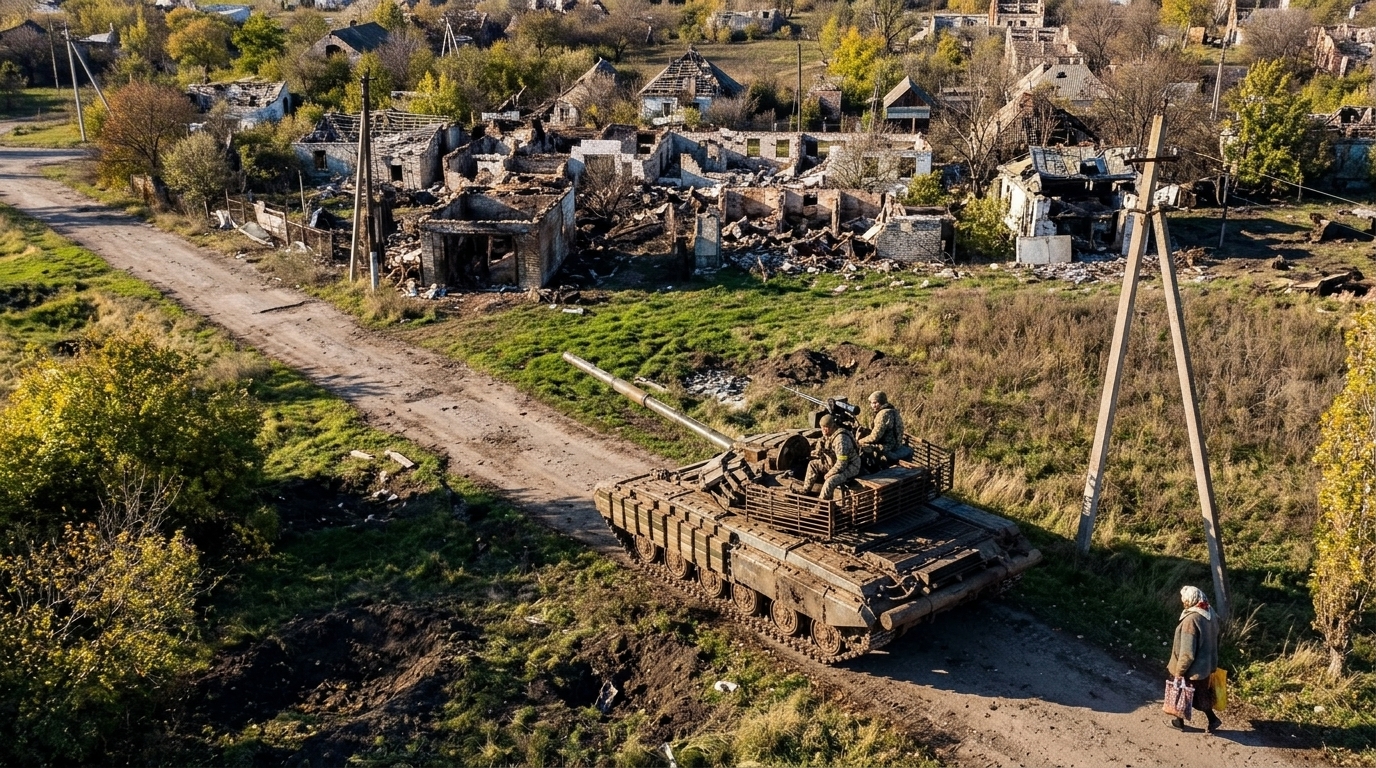
Finally, security in the Indo-Pacific region remains the most dangerous chapter. Rhetoric surrounding Taiwan has hardened, while frictions in the South China Sea with the Philippines and Vietnam are increasing. The West is closely monitoring the movements of the Chinese Navy, while the US strengthens its alliances (AUKUS, Quad). Any accident or misunderstanding in these waters during the second half of the year could trigger a global crisis with unpredictable consequences for the global economy and peace.
"Our relationship with China is no longer a matter of choice, but a matter of managing an inevitable coexistence in a radically changing world," says a senior EU diplomat.
In conclusion, the second half of 2026 will be a period of "managed tension." China will continue to challenge the existing world order, while the West will try to balance protecting its interests with avoiding an all-out conflict. The ability of leaders to navigate these uncharted waters will determine the course of humanity for the next decade.