In the beating heart of Seoul, where ancient tradition meets hyper-modernity, South Korea is not merely attempting to keep pace with Artificial Intelligence (AI) developments; it is striving to redirect them. With the recent mobilization of political leadership and the active involvement of prominent female leaders in international forums, the East Asian nation is sending a clear signal: the era of dependency on American digital infrastructure is drawing to a close. The 'AI G3' strategy, which aims to establish South Korea as one of the world's top three AI powers by 2027, is no longer just an ambitious paper goal—it is a geopolitical necessity.
The Strategy of 'Sovereign AI'
The concept of 'Sovereign AI' lies at the core of the Korean agenda. Unlike many European nations that remain tethered to models from OpenAI or Google, South Korea is investing heavily in creating its own Large Language Models (LLMs) that understand not only the language but also the cultural nuances of the region. Naver, the country’s tech giant, leads this charge, offering solutions that serve both public and private sectors, ensuring that citizen data remains within national borders.
The government has committed over $7 billion toward AI research and development, with a specific focus on next-generation semiconductors. South Korea understands deeply that AI is not just software; it is, above all, hardware. Without the High Bandwidth Memory (HBM) chips produced by Samsung and SK Hynix, the global AI revolution would have ground to a halt. This near-monopolistic position in the supply chain grants Seoul a unique diplomatic leverage, which it is using to forge new global alliances.
Geopolitical Balance and the Seoul Summit
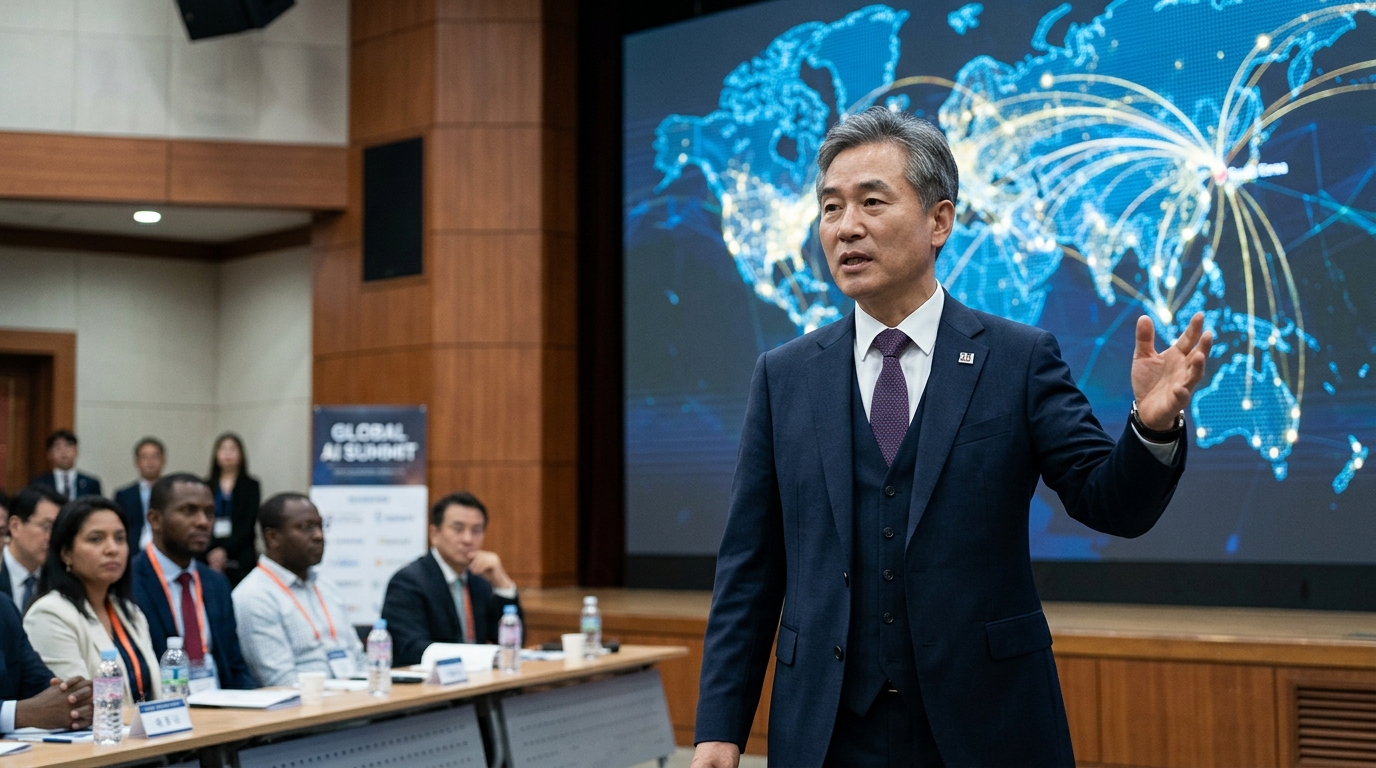
The recent AI Safety Summit in Seoul highlighted the country’s role as a 'bridge' between the West and the East. While the US and China are locked in a persistent technological cold war, South Korea emerges as a reliable partner capable of guaranteeing both innovation and ethical governance. The presence of female leadership during these negotiations has brought a new dynamic, focusing on social inclusion and mitigating the risks inherent in unregulated algorithmic use.
- Development of national AI models to bolster cybersecurity frameworks.
- Partnerships with Southeast Asian nations to export Korean AI technology.
- Institutionalization of strict yet flexible rules for the ethical use of generative AI.
"Artificial Intelligence is not just a tool for economic growth; it is the foundation of our national security and cultural survival in the 21st century," stated a high-ranking Seoul official.
Challenges and the Future of Semiconductors
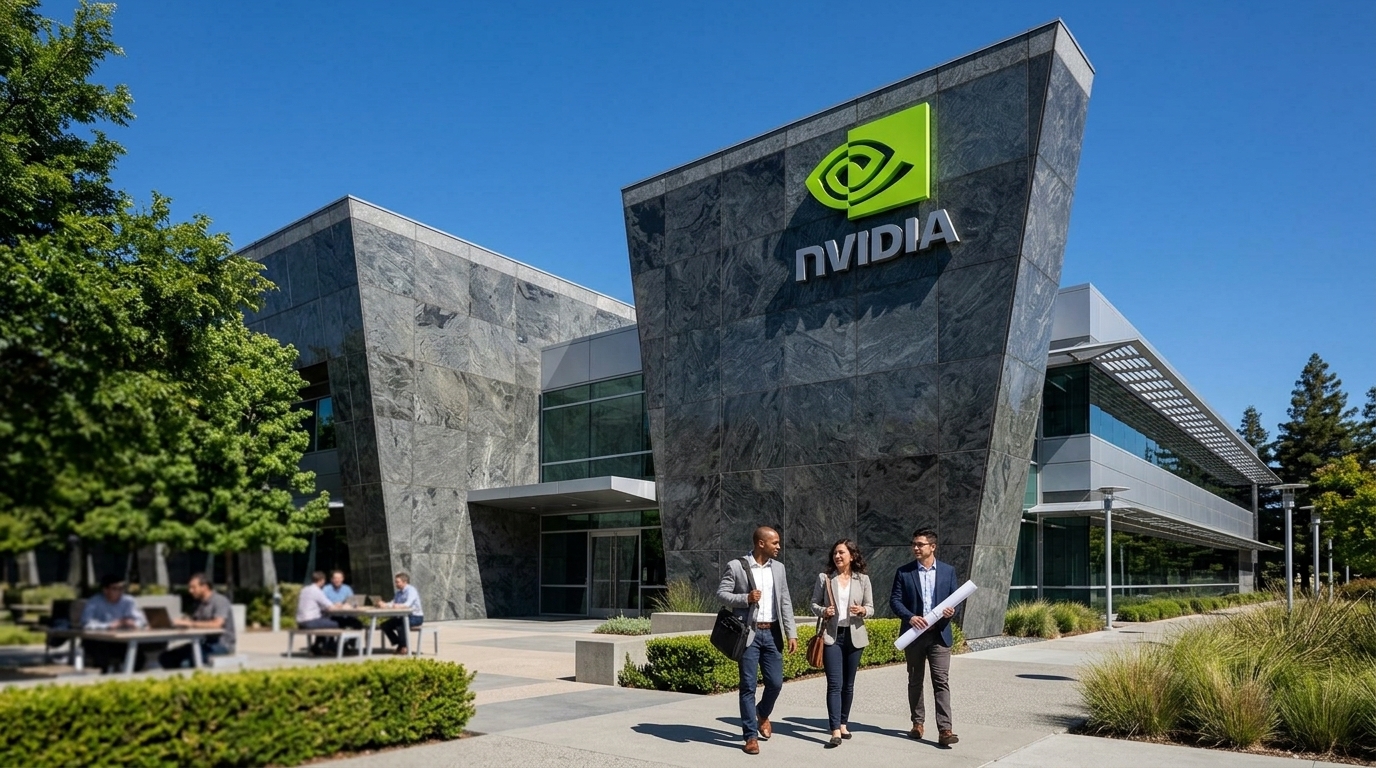
Despite the optimism, the path forward is not without obstacles. Competition from Taiwan and NVIDIA remains fierce, while South Korea’s internal demographic crisis threatens to shrink the future talent pool. However, the nation is betting on automation and the integration of AI into the daily lives of its citizens to offset these pressures. Seoul’s strategy is clear: AI dominance is achieved through the control of chips and the development of autonomous digital ecosystems. If this gamble pays off, South Korea will not just be a player on the global chessboard, but one of its grandmasters.