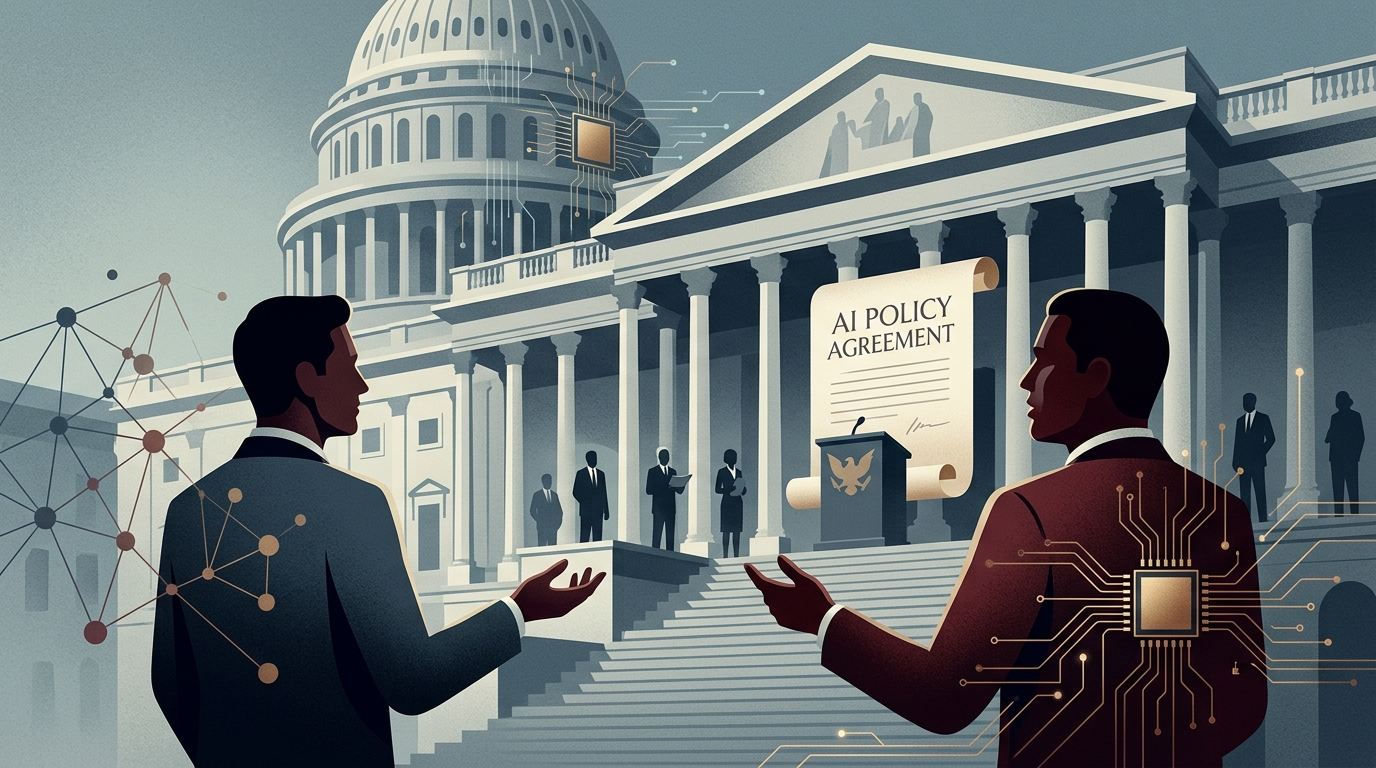
Mark Zuckerberg of Meta and Jensen Huang of Nvidia have emerged as the primary architects of a new "morally binding" AI agreement, finalized during a White House lunch with President Donald Trump. This initiative signals a shift toward industry self-regulation at a time when the U.S. administration favors limited government intervention.
The Background of the Collaboration
According to sources familiar with the discussions, the idea originated from a conversation between Zuckerberg and House Speaker Mike Johnson during a dinner honoring Chinese President Xi Jinping. Subsequently, the Meta CEO collaborated closely with Jensen Huang to secure support from major AI labs and present the plan to government officials.
Commitments and the Enforcement Gap
The agreement calls on tech companies to adopt several safety measures, including:
- Implementing robust internal controls to monitor AI models.
- Partnering with external auditors for risk assessment.
- Establishing independent oversight committees.
However, the agreement remains voluntary and does not constitute federal legislation. The lack of a clear enforcement mechanism has drawn criticism from Democrats and AI safety advocates, who argue that the commitments lack legal teeth.
Differing Industry Perspectives
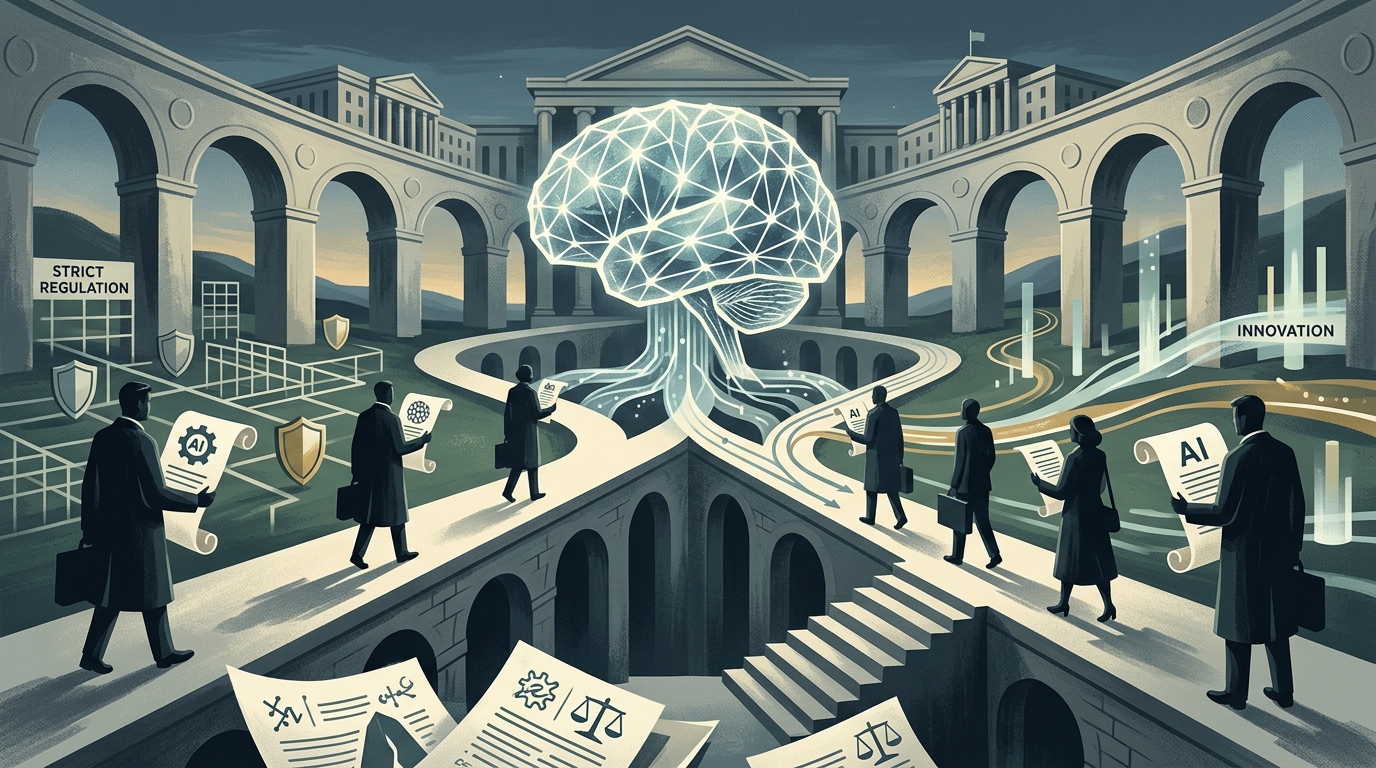
While Trump maintains that existing legislation is sufficient, executives such as Sam Altman (OpenAI) and Dario Amodei (Anthropic) continue to call for stricter government oversight. For his part, Huang is acting as a mediator, while Nvidia is already promoting new safety systems designed to mitigate autonomous cyberattacks from AI agents.