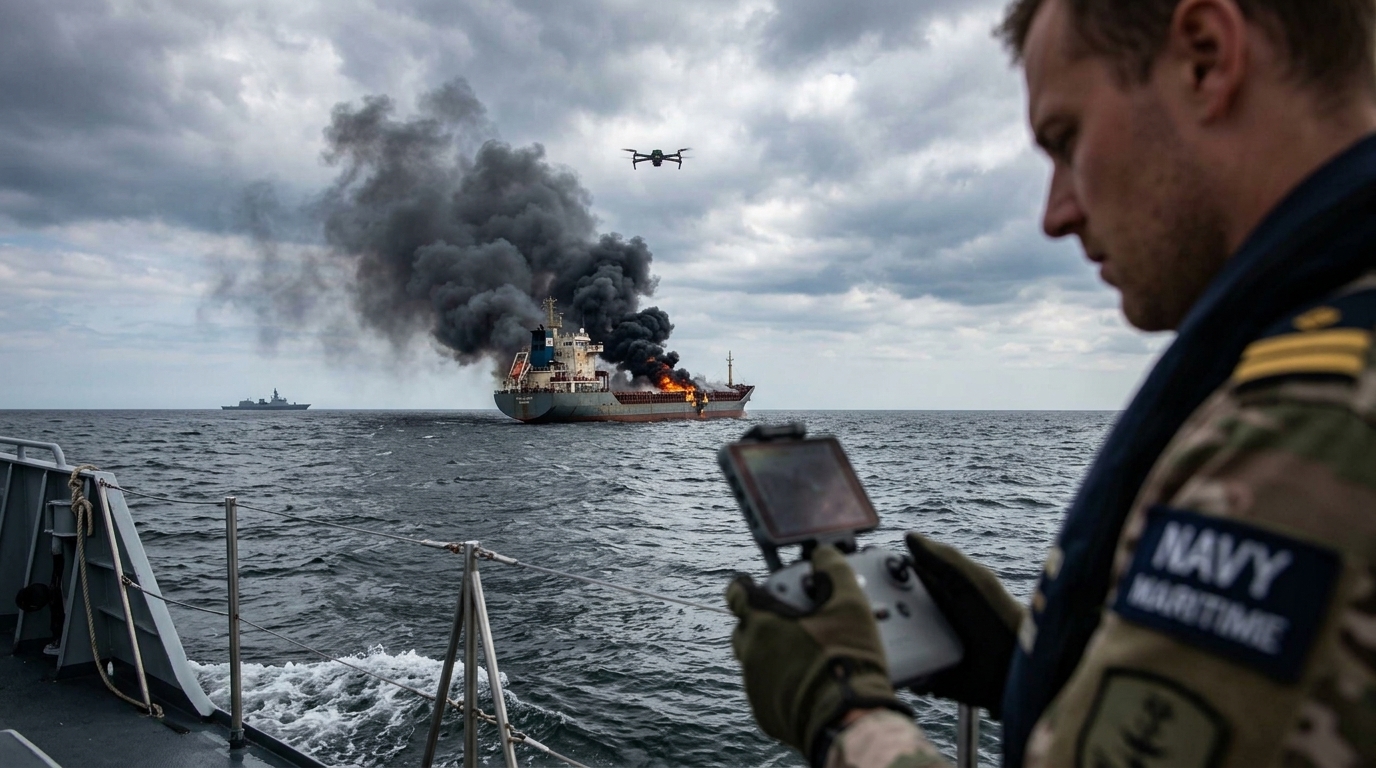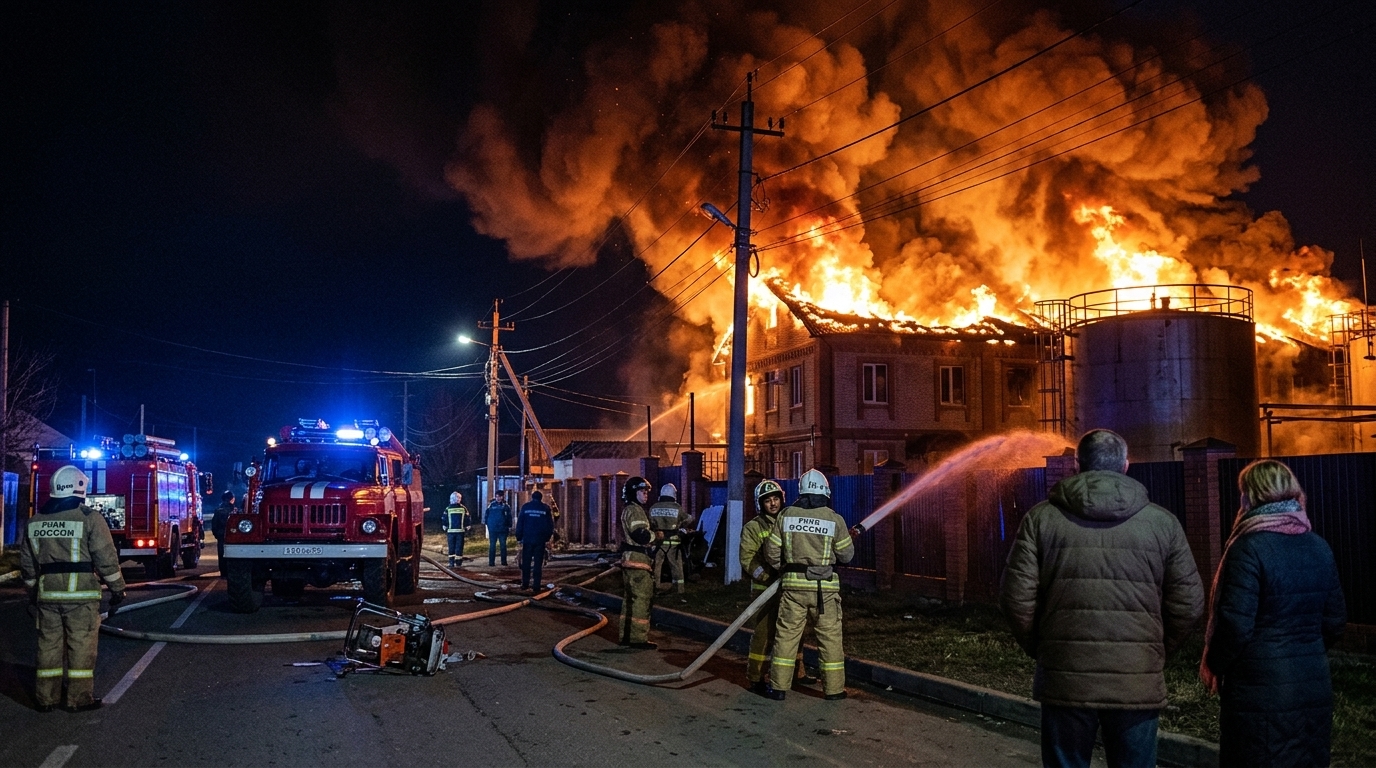
The conflict between Russia and Ukraine has entered a new, highly volatile phase where the traditional boundaries of the battlefield have been extended hundreds of kilometers away from the trenches of the Donbas. The recent drone attack on the Krasnodar region, which resulted in one fatality and a significant fire at an oil refinery, is far from an isolated incident. It is part of a systematic and escalating campaign by Kyiv aimed at disrupting the Russian economy and the logistical chains that sustain the invasion.
The Strategy of 'Deep Strikes'
For Ukraine, the employment of long-range drones serves as a "poor man's cruise missile" in the face of a shortage of long-range ballistic weaponry and the restrictions imposed by Western allies regarding the use of their weapons on Russian soil. The Krasnodar region, strategically vital due to its proximity to the Black Sea and its concentration of critical energy infrastructure, has become a recurring target. The strike on the Slavyansk-on-Kuban refinery demonstrates the inherent vulnerability of Russian industrial sites, which, despite bolstered air defenses, remain exposed to swarms of relatively inexpensive but effective drones.
Analysts suggest that Kyiv's objective extends beyond the physical destruction of infrastructure; it aims to cultivate a sense of insecurity within Russia itself. When flames erupt from a refinery in a region previously considered a "safe rear," the message to the Russian populace and the Kremlin leadership is unmistakable: the war is no longer a distant event but a reality that can strike anywhere at any time.
Economic Warfare and Energy Security
Targeting refineries directly impacts Russia's capacity to produce fuel for its armed forces and maintain its vital oil export revenues. While Russia possesses vast crude reserves, its refining capacity is the "soft underbelly" of its economy. The destruction of specialized equipment, such as distillation towers, is particularly damaging because these components are difficult to replace quickly due to Western sanctions that restrict the import of high-tech industrial parts.
- Reduction in gasoline and diesel production for domestic consumption.
- Increased insurance and security costs for industrial facilities.
- Forced relocation of air defense systems from the front lines to protect domestic assets.
This tactic also sends ripples through international energy markets. Washington has previously voiced concerns over these strikes, fearing a sharp spike in global oil prices. However, for Ukraine—which faces daily barrages against its own power grid and energy infrastructure—retaliation is viewed as a matter of survival and strategic necessity.
The Technological Evolution of Drones
Behind these strikes lies impressive technological progress. Ukrainian drones are no longer merely modified commercial models. They have evolved into specialized weapons with ranges exceeding 1,000 kilometers, equipped with navigation systems capable of bypassing Russian electronic warfare (EW) jamming. The integration of artificial intelligence for terminal target recognition allows these drones to strike the most sensitive parts of a refinery with surgical precision, maximizing damage even with a limited explosive payload.
"The battle for the skies has transformed into a battle of algorithms and production capacity. Whoever can produce more and smarter drones controls the tempo of this war of attrition," notes a military defense analyst.
In conclusion, the Krasnodar attack serves as a stark reminder that the war in Ukraine is not static. As both sides adapt, vital infrastructure becomes the primary theater of operation. The loss of life, even a single individual, underscores the tragic human cost of this escalation, which shows no signs of abating in the near future.