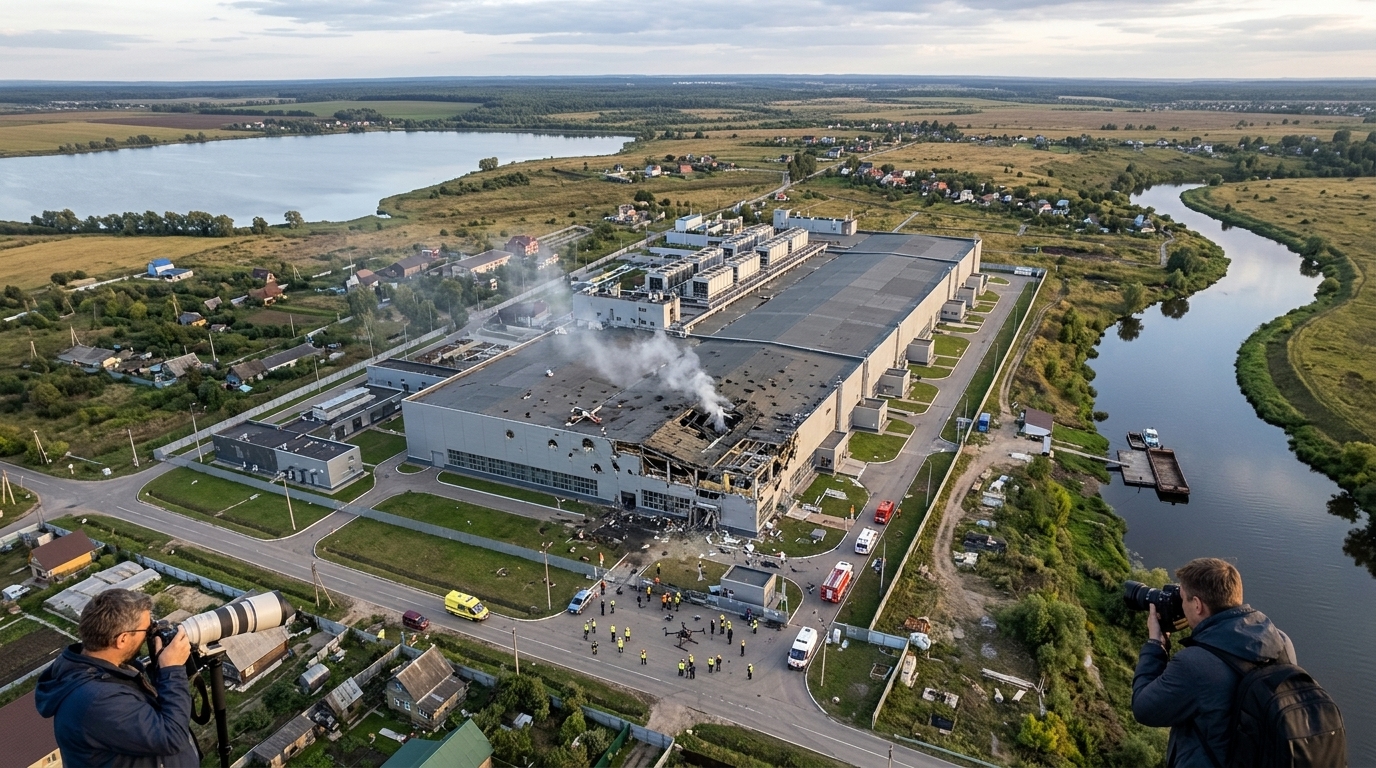
In the heart of Hefei, far from the media spotlight that typically follows Silicon Valley giants, ChangXin Memory Technologies (CXMT) is building something more profound than a mere semiconductor business. It is constructing the bedrock of Chinese national security. In an era where access to advanced technology serves as the new battlefield of geopolitics, CXMT stands as Beijing’s answer to Washington’s persistent efforts to stifle China’s ascent in the semiconductor hierarchy.
The Silent Rise and the Strategy of Autonomy
CXMT is no ordinary startup. Founded with robust state backing and led by executives with deep-rooted knowledge of Western markets—many of whom were educated or trained in the United States—the company embodies a strategic duality. It blends Chinese ambition with Western technical pedigree. Specialized in DRAM (Dynamic Random Access Memory), CXMT produces the critical component found in everything from ubiquitous smartphones to high-performance AI servers.
The most striking element of CXMT’s strategy is its systematic decoupling from the U.S. supply chain. While most global chipmakers rely on precision tools from American firms like Applied Materials or Lam Research, CXMT has funneled billions into nurturing a domestic ecosystem. By collaborating closely with Chinese suppliers of lithography equipment and specialty chemicals, it is creating a "hardened" production line that is, theoretically, immune to the U.S. Department of Commerce’s Entity Lists.
The Path to IPO and Challenging the 'Big Three'
According to recent reports, CXMT is gearing up for an initial public offering (IPO) that could pivot the global memory market. To date, the DRAM sector has been dominated by a powerful triumvirate: Samsung Electronics, SK Hynix, and Micron Technology. CXMT’s move toward public markets isn't just about raising capital; it’s about establishing legitimacy as a global heavyweight and securing the resources necessary to bridge the remaining technological gap with its rivals.
The company has already begun mass-producing LPDDR5 memory, used in high-end mobile devices, proving that it is no longer a generation behind but within striking distance of the industry’s leading edge. Beijing’s "import substitution" policy means that Chinese hardware giants like Xiaomi and Oppo now have a strong incentive—if not an outright mandate—to prioritize CXMT’s silicon over American or Korean alternatives.
Geopolitical Friction and the Silicon Curtain
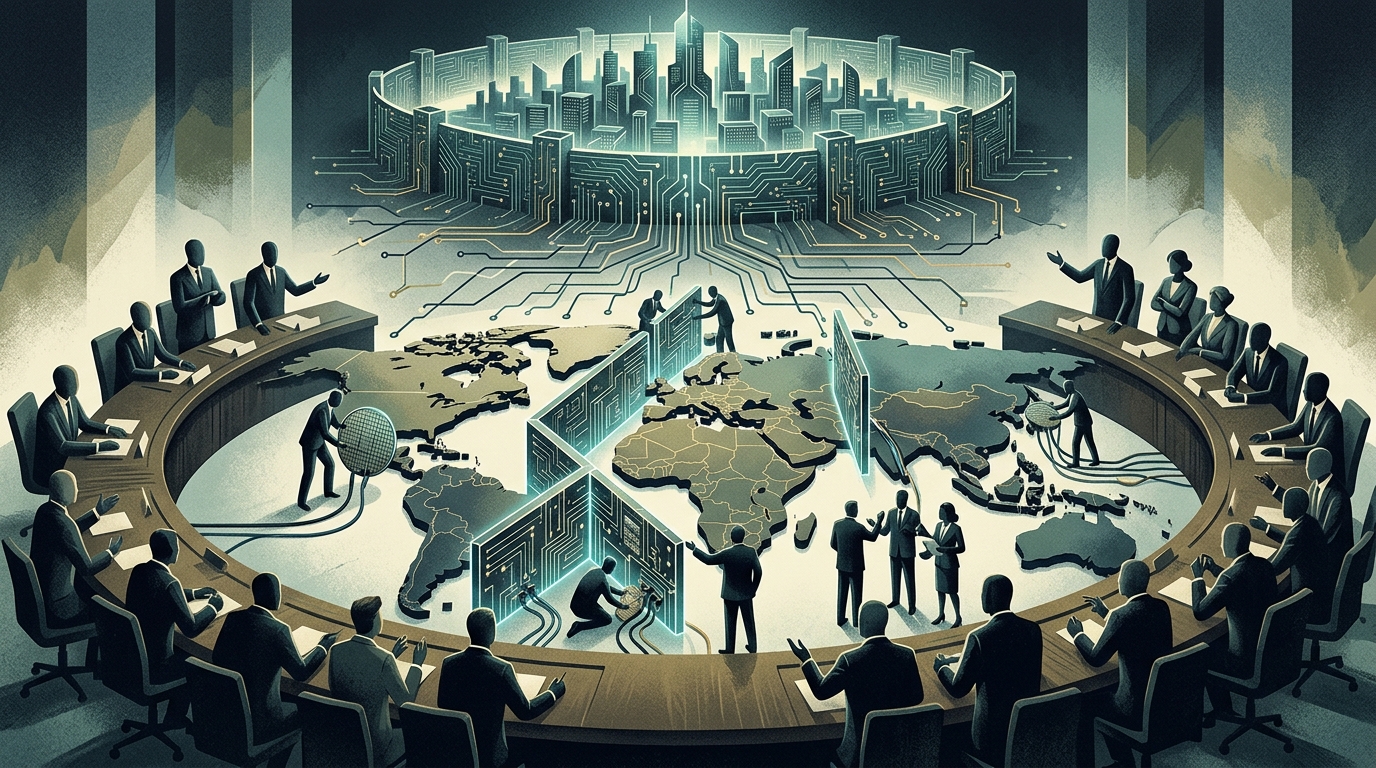
The CXMT narrative highlights a broader trend: the fragmentation of the global technology industry. What was once a unified, globalized value chain is now splitting into two distinct spheres of influence. On one side, the U.S. seeks to maintain its "top of the hill" status through export controls and the CHIPS Act. On the other, China is accelerating its drive toward "technological sovereignty."
"CXMT is not just a company; it is an experiment in whether a nation can develop cutting-edge technology under a state of siege," says a senior industry analyst.
However, significant hurdles remain. Semiconductor manufacturing is the most complex process ever devised by humanity. The lack of access to the most advanced EUV (Extreme Ultraviolet) lithography machines from the Netherlands’ ASML remains a formidable barrier for CXMT’s long-term roadmap. Nevertheless, the firm has shown remarkable ingenuity, utilizing older DUV (Deep Ultraviolet) technologies in innovative ways to achieve performance benchmarks that many critics deemed impossible under current sanctions.
Conclusion and Future Outlook
The trajectory of CXMT will largely determine the success of China’s broader semiconductor strategy. If it successfully navigates its IPO and maintains its technological momentum, it will have proven that U.S. sanctions ultimately acted as a catalyst for Chinese innovation rather than a deterrent. For the global market, this signals a future of intensified competition and potentially lower prices, but also a new era of uncertainty where the provenance of a memory chip matters as much as its megahertz.