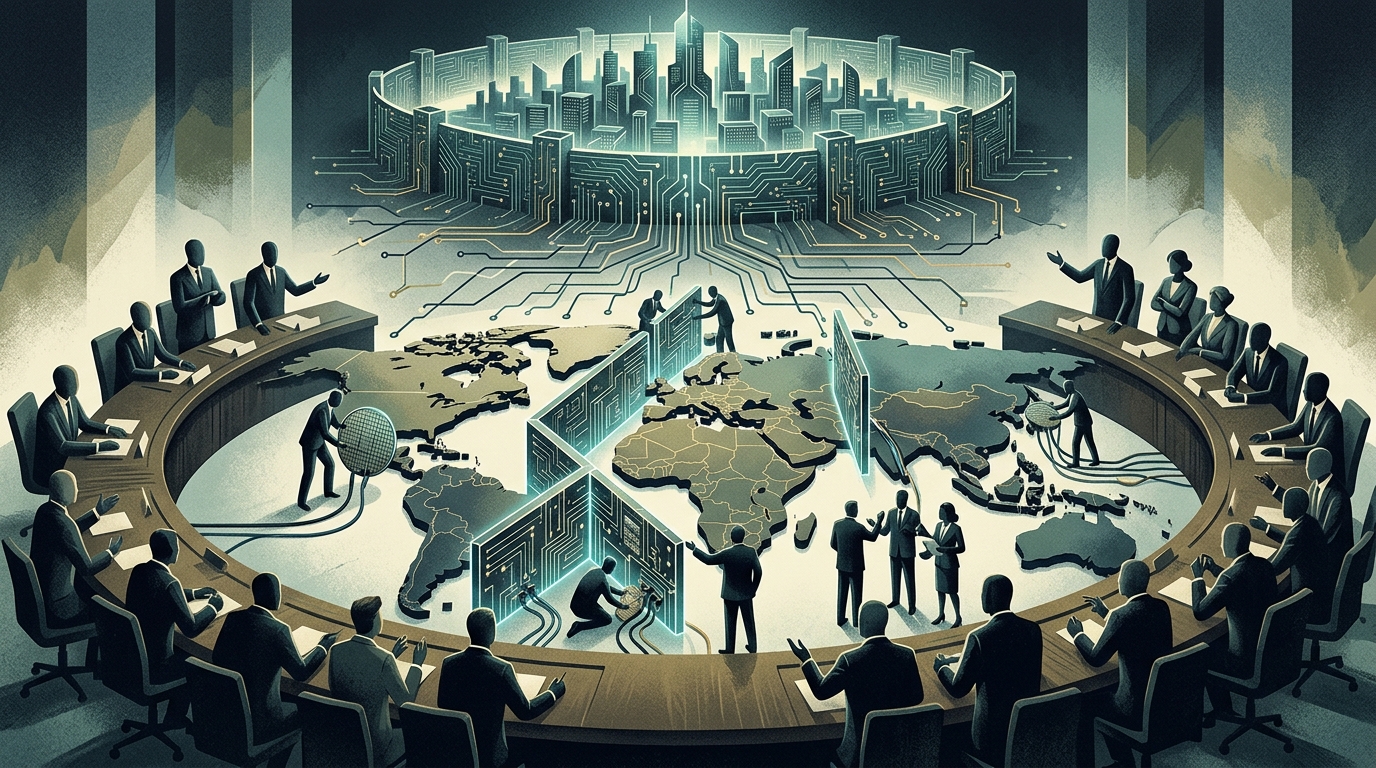
For decades, geopolitical and economic analysts have been searching for the "end of the dollar." China's rise as the world's second-largest economy sparked countless scenarios about when the yuan (renminbi) would replace the US currency as the planet's dominant reserve medium. However, the reality unfolding in 2026 is far more complex and strategically astute. China seems to have understood something many in the West ignore: it doesn't need to "topple" the dollar to achieve its goals. Instead, it is quietly building a parallel financial architecture that allows it to operate autonomously, reducing its vulnerability to Western pressure.
The Trap of Global Hegemony
For a currency to become the absolute global reserve medium, the issuing country must accept certain terms that Beijing finds unacceptable. Full liberalization of capital flows and currency convertibility would mean the Chinese Leadership would lose control over the domestic economy and the exchange rate. In the Chinese Communist Party's model, control is the highest priority. Allowing markets to determine the value of the yuan would open the door to speculative attacks and massive capital flight during times of crisis.
Furthermore, holding the global currency carries the burden of the "Triffin Dilemma": the country must run persistent trade deficits to provide the world with the necessary liquidity. China, as the "world's factory," relies on surpluses. Therefore, replacing the dollar on 20th-century terms is not just difficult; it is undesirable for Beijing.
Building CIPS and the Digital Alternative
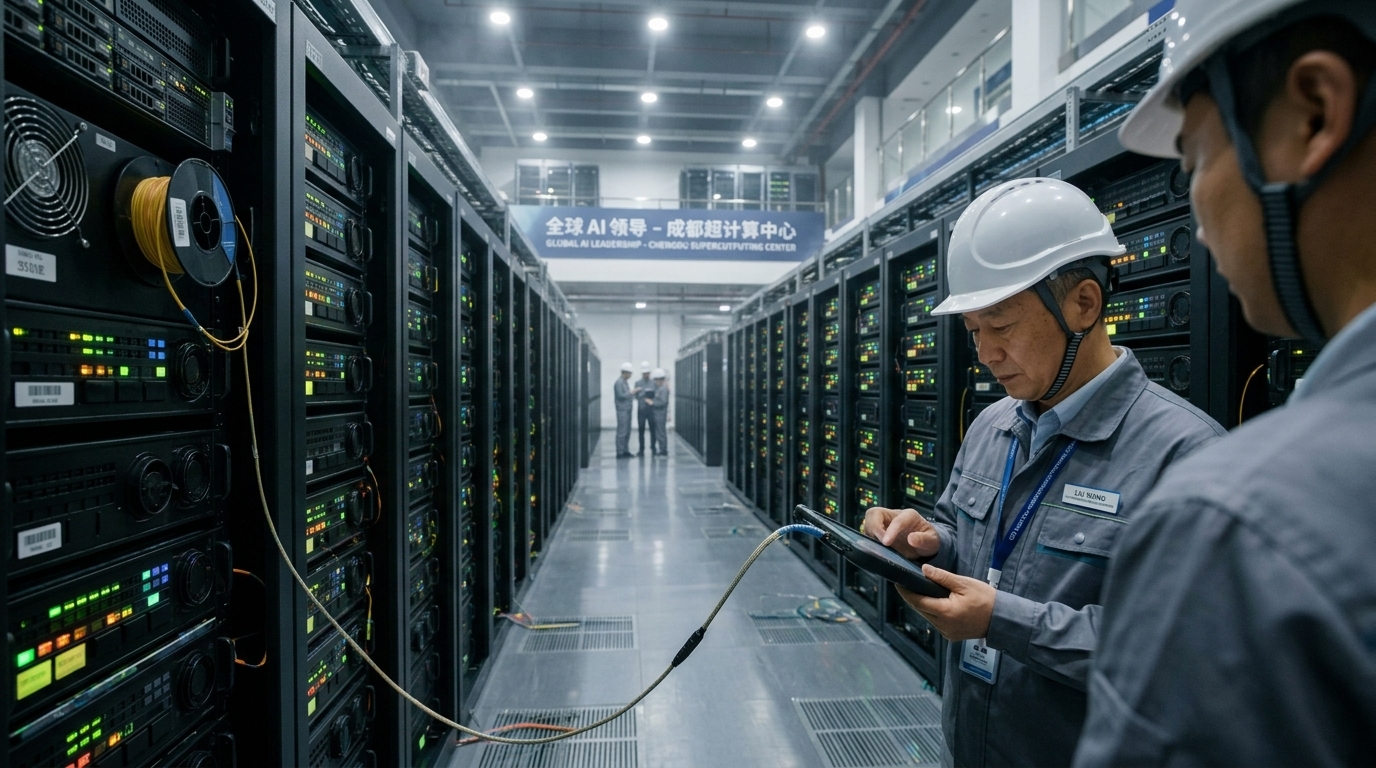
Instead of a frontal assault on SWIFT (the dominant interbank messaging system), China is strengthening its own system, CIPS (Cross-Border Interbank Payment System). CIPS is not yet a competitor to SWIFT in terms of volume, but it functions as a critical "emergency exit." Should the West decide to cut China off from the dollar—as it did with Russia—Beijing already has the plumbing in place to continue trading with its partners.
At the same time, the digital yuan (e-CNY) represents the technological edge of this strategy. It is not just a digital wallet but a tool that allows cross-border transactions without the need for US bank mediation. In trade relations with Southeast Asian, African, and Latin American countries, China promotes the use of the yuan for settlement, creating a "yuan ecosystem" that grows organically beneath the radar of international bond markets.
The Weaponization of the Dollar as a Catalyst
China's strategy received a massive boost from US policy itself. The extensive use of economic sanctions as a foreign policy tool has alarmed many countries in the Global South. When Washington "froze" the Russian central bank's reserves, it sent a clear message: the dollar is safe only as long as you are a US ally. This prompted even traditional allies, such as Saudi Arabia, to consider paying for oil in yuan.
"China does not want to be the new policeman of the global financial system. It wants to build a fortress that no policeman can breach," says a senior economic analyst in Beijing.
This "de-dollarization" does not mean central banks are dumping their dollars en masse. It means that for new trade flows, especially in energy and raw materials, the dollar is no longer the only option. China uses bilateral currency swap agreements to provide yuan liquidity to countries facing dollar shortages, thereby strengthening its role as a "lender of last resort" for the developing world.
Conclusions for the Future
In 2026, the global economy is not heading toward a simple replacement of one hegemon by another. We are moving toward a fragmented world. The dollar will remain the dominant currency for the international financial system, capital markets, and Western savings. However, the yuan will dominate a parallel network of trade transactions encompassing most of Eurasia and the Global South. China's success will not be measured by whether the yuan reaches 50% of global reserves, but by whether China can pursue its national strategy without needing permission from the US Treasury.