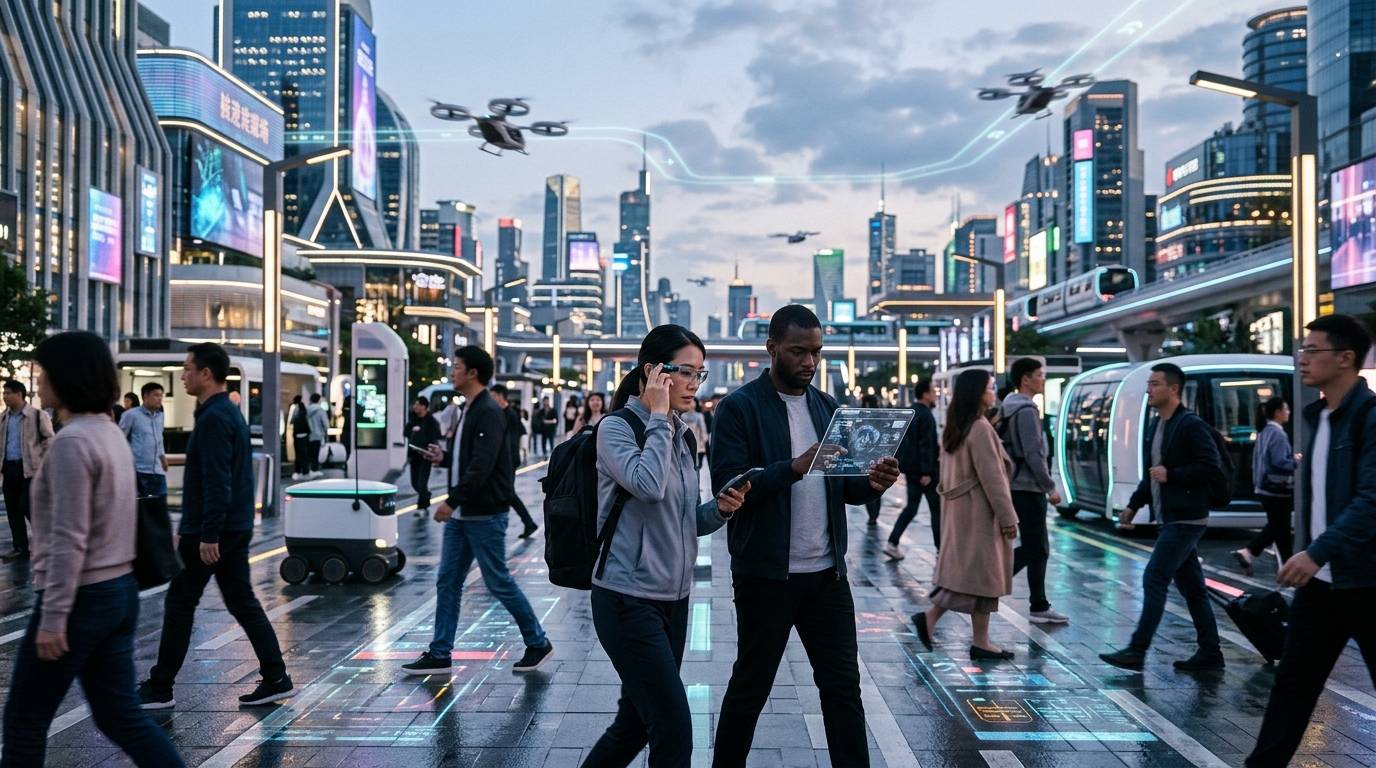
In the bustling tech hubs of Bengaluru and the policy corridors of New Delhi, a significant friction point is emerging between global AI giants and the world’s most populous nation. Recent measures by Anthropic and other Silicon Valley leaders to implement AI safety curbs in India have been met with skepticism and outright frustration. Critics argue that these efforts are “too slow and way too small,” highlighting a growing chasm between Western safety standards and the ground reality of the Global South.
The debate ignited by the latest "Inside India" newsletter from CNBC points to a deeper issue: the cultural and linguistic inadequacy of current AI models. While Anthropic’s Claude is celebrated for its ethical guardrails in the West, these same restrictions often fail to translate to the complex socio-political fabric of India, where misinformation can spread across dozens of languages and thousands of dialects in seconds.
The Critique of 'One-Size-Fits-All' Safety
The core of the argument against Anthropic’s current approach is that it treats India as a monolithic extension of the Western market. AI safety, as defined in San Francisco, often focuses on high-level philosophical risks or US-centric political sensitivities. However, in India, the risks are more immediate and localized: communal harmony, election integrity in a multi-party system, and the representation of diverse cultural identities.
Indian tech leaders argue that the current curbs are performative rather than substantive. "When an AI model cannot distinguish between a local idiom and a harmful statement in Marathi or Telugu, its 'safety' is an illusion," says a prominent Indian AI researcher. The perceived sluggishness of Western firms in fine-tuning their models for Indian contexts is increasingly seen as a form of digital neglect, or worse, digital paternalism.
India’s Push for Sovereign AI
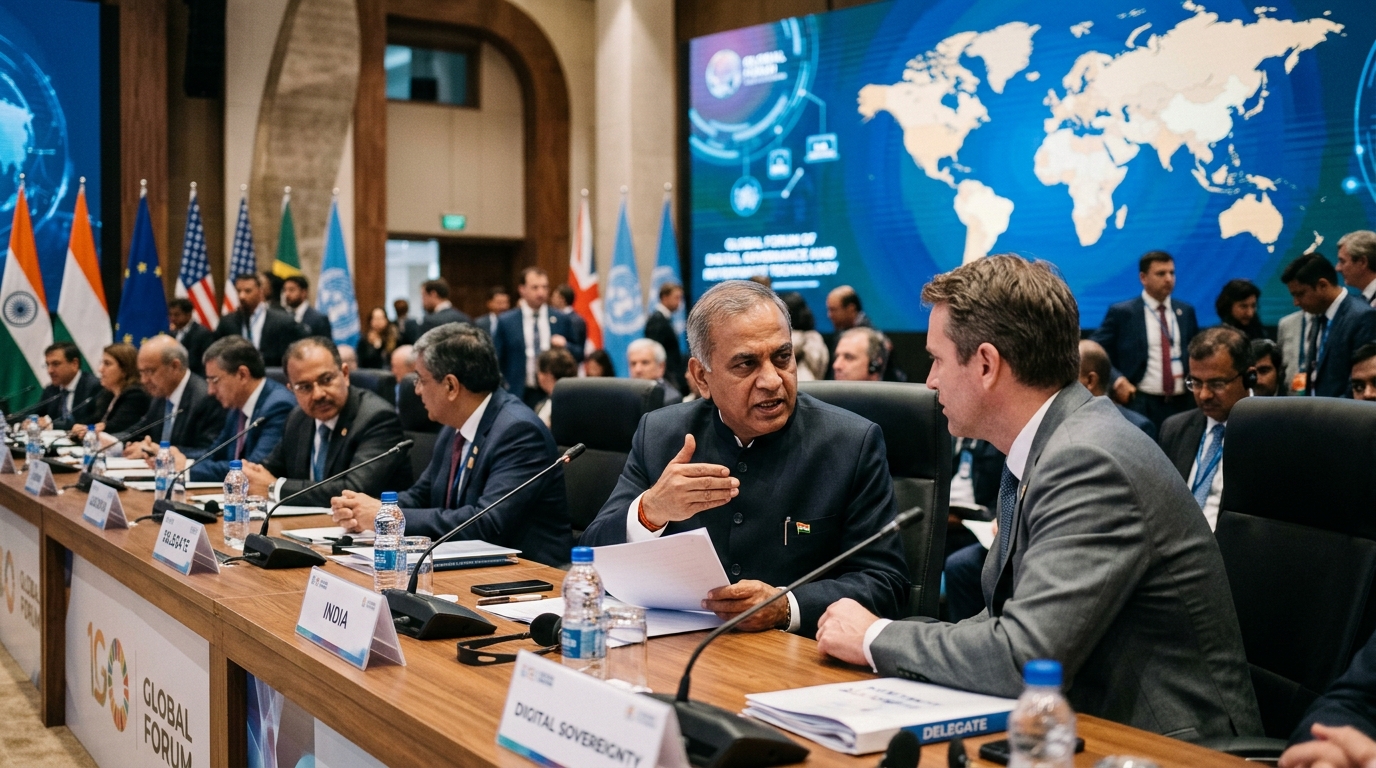
This dissatisfaction is fueling a massive shift toward "Sovereign AI." Prime Minister Narendra Modi’s administration has made it clear: India will not be a mere data colony for foreign corporations. The government’s multi-billion dollar investment in the IndiaAI mission is designed to build a complete ecosystem—from compute infrastructure to indigenous Large Language Models (LLMs).
Projects like 'Bhashini' and companies like 'Krutrim' are at the forefront of this movement. They aim to create AI that understands the nuances of Indian life, something that critics say Anthropic and its peers have failed to prioritize. By building their own stacks, India aims to ensure that the rules governing AI reflect Indian values and legal frameworks, rather than those imposed by a handful of tech executives in California.
The Geopolitical Stakes
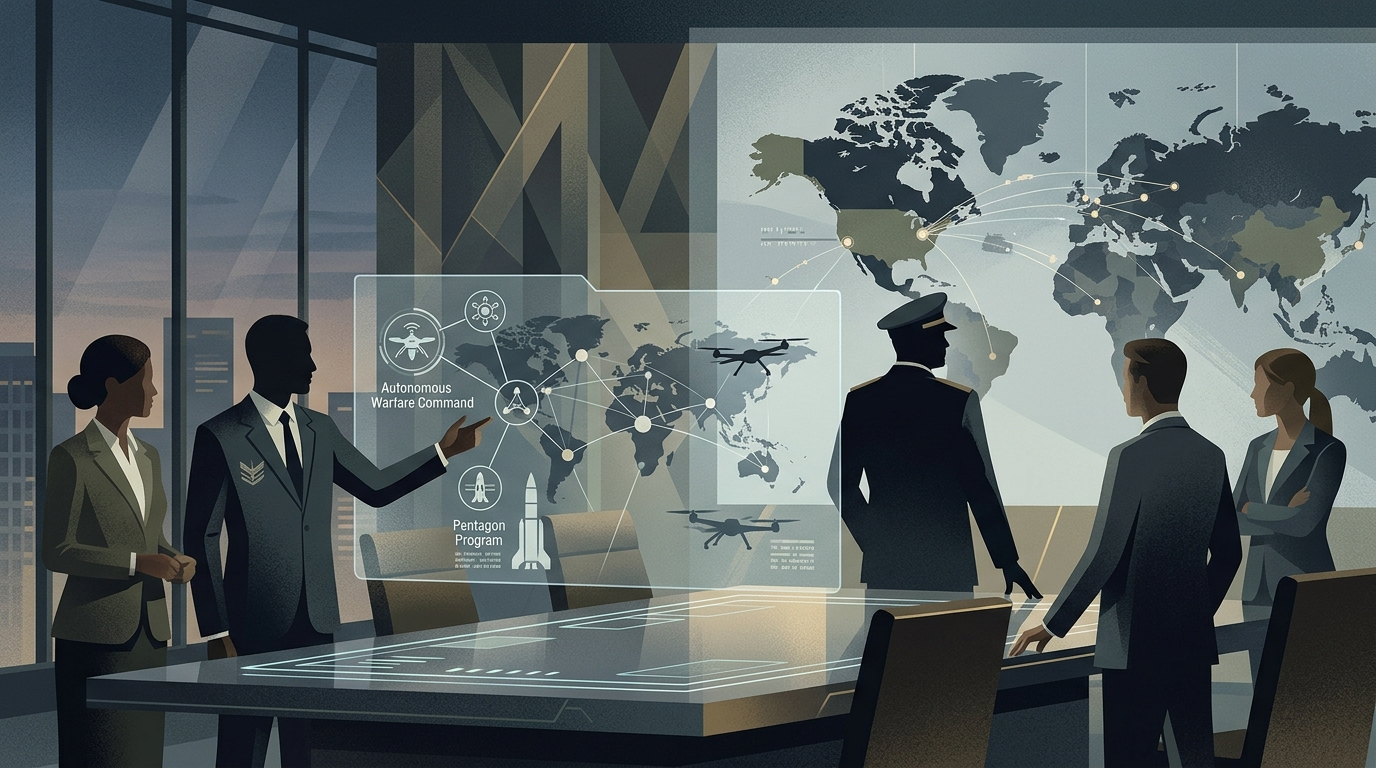
The tension over AI curbs is not just about technology; it is a geopolitical chess match. India is a crucial partner for the United States in the Indo-Pacific, particularly as a counterweight to China. However, in the digital realm, India is asserting its independence. The demand for more robust and localized safety measures is a signal that India expects to be treated as a peer, not just a consumer base.
If US firms like Anthropic do not accelerate their localization efforts, they risk losing ground to domestic competitors or even players from other regions who are more willing to adapt. The "too slow, way too small" critique is a warning shot: the window for Western AI dominance in India is closing as the country builds its own digital fortifications.
Conclusion: A New Paradigm for Global AI
The debate over Anthropic’s curbs in India serves as a microcosm for the global struggle over AI governance. It highlights the necessity for AI developers to move beyond a Western-centric worldview and engage deeply with the diverse cultures they serve. Safety cannot be an afterthought or a filtered layer added at the end; it must be baked into the data and the training process with a local lens.
"AI safety is not a universal constant; it is a cultural variable. Those who ignore this truth in India are destined to fail."
As we move further into 2026, the pressure on companies like Anthropic to deliver meaningful, localized, and rapid improvements will only intensify. India’s message is loud and clear: either evolve to meet our needs, or step aside as we build the future ourselves.