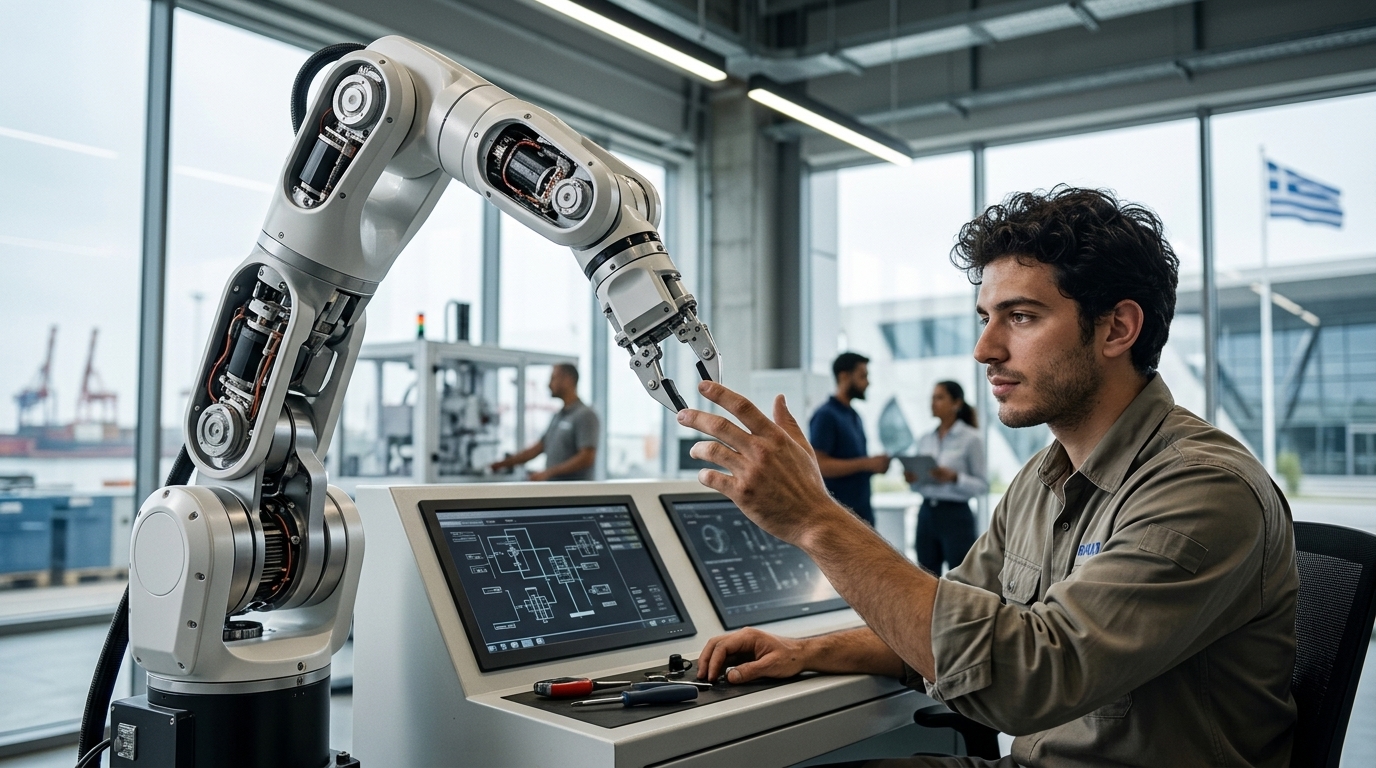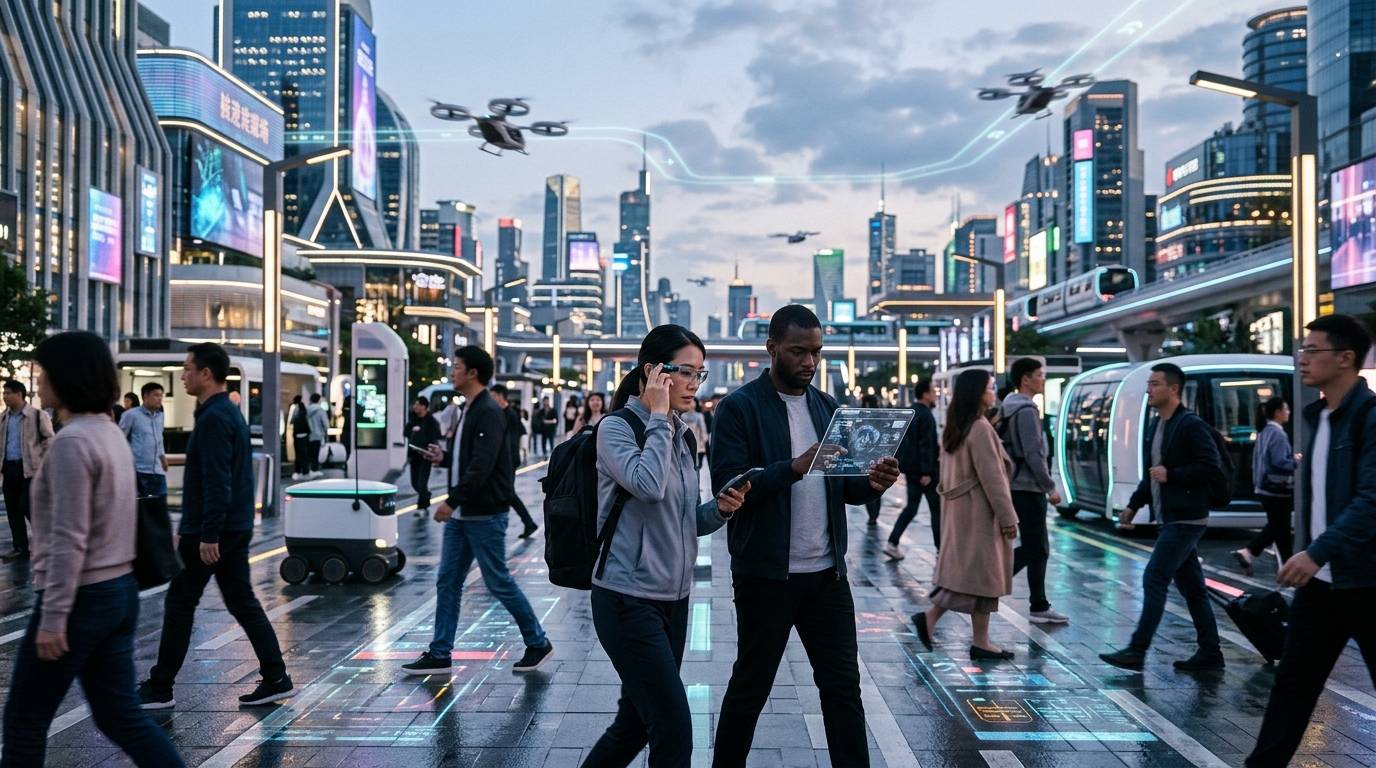
It is mid-2026, and the modern newsroom has undergone a radical transformation. Gone are the days when journalists spent hours transcribing interviews or translating foreign dispatches. Today, screens display real-time data streams analyzed by AI agents that suggest angles, verify sources, and generate initial drafts before a human editor even steps into the office. The recent focus on AI in media, highlighted by outlets like Vietnam.vn, underscores a global shift that is redefining how information is manufactured, distributed, and consumed.
The Automated Newsroom: Efficiency vs. Homogenization
The concept of 'breaking news' has been fundamentally altered. Using Large Language Models (LLMs) and advanced data analytics, news organizations can now process information at a scale and speed previously unimaginable. AI can monitor thousands of data points—from satellite imagery and financial tickers to social media sentiment—producing comprehensive reports in seconds. This automation has liberated journalists from the drudgery of routine reporting, allowing them to focus on high-impact investigative work.
However, this efficiency comes with a caveat. Critics warn of a 'homogenization' of news. When multiple outlets use the same underlying algorithms to summarize events, the unique voice and critical perspective of individual publications risk being lost. In emerging markets like Vietnam, AI is being leveraged to bridge the language gap and reach a global audience, but the challenge remains: can a machine truly grasp the cultural nuances and historical grievances that color regional politics?
The Deepfake Dilemma and the Verification War
In 2026, the primary threat to journalism is not the loss of jobs to robots, but the death of truth itself. Generative AI has made the creation of hyper-realistic deepfakes—audio, video, and text—so accessible that the public's ability to discern reality has been severely compromised. Newsrooms are increasingly functioning as 'truth laboratories,' deploying sophisticated AI tools to detect anomalies in digital assets.
- Implementation of C2PA standards for content provenance and authenticity.
- Blockchain-based verification systems to provide an immutable trail for original reporting.
- The rise of 'Verification Desks' as the most critical department in any media house.
Public trust is at an all-time low. In an era where 'seeing is no longer believing,' the brand of a news organization and the personal integrity of its journalists have become its most valuable assets. While AI can write a story, it cannot stand behind it. Moral and legal accountability remain exclusively human domains.
Hyper-Personalization and the Echo Chamber Effect
AI algorithms now curate news feeds with surgical precision, learning individual preferences to maximize engagement. While this provides a more relevant experience for the user, it exacerbates the 'echo chamber' effect. When readers are only exposed to information that reinforces their existing biases, the shared reality necessary for a functioning democracy begins to crumble.
"Journalism's role is not just to give people what they want, but to provide what they need to know to be informed citizens," media ethics experts argue.
The challenge for 21st-century media is to use AI to broaden horizons rather than narrow them. 'Smart' journalism must find ways to introduce serendipity and diverse viewpoints into personalized feeds, using technology to foster understanding rather than polarization.
The Journalist as the Architect of Meaning
In this automated landscape, the role of the journalist is shifting from a 'gatherer of facts' to an 'architect of meaning.' AI is unparalleled at answering 'what' and 'when,' but the human mind remains the master of 'why.' The ability to connect disparate events, challenge power structures with moral conviction, and tell stories that resonate with empathy is something machines cannot replicate.
As seen in the technological pivots of various national news agencies, embracing AI is a matter of survival. Yet, the ultimate success of these initiatives will not be measured by algorithmic efficiency, but by how well they uphold the fundamental tenets of journalism. The future of news is a 'centaur' model—the perfect synergy of machine intelligence and human wisdom.