The era of algorithmic immunity appears to be coming to an end. In a ruling expected to reshape the landscape of artificial intelligence in the workplace, a California federal court has ruled that Workday Inc., one of the world's largest human capital management software providers, must face a class-action lawsuit accusing it of facilitating discrimination through its AI-driven recruitment tools.
The Legal Shift: Vendor as 'Employer'
The core of Judge Rita Lin's decision lies in the interpretation of federal civil rights laws. Until now, technology companies like Workday argued they operate strictly as software-as-a-service (SaaS) providers, shifting full responsibility for hiring decisions to their clients—the companies using the software. However, Judge Lin rejected this argument, ruling that Workday could be considered an "indirect employer" or an "agent" of its clients.
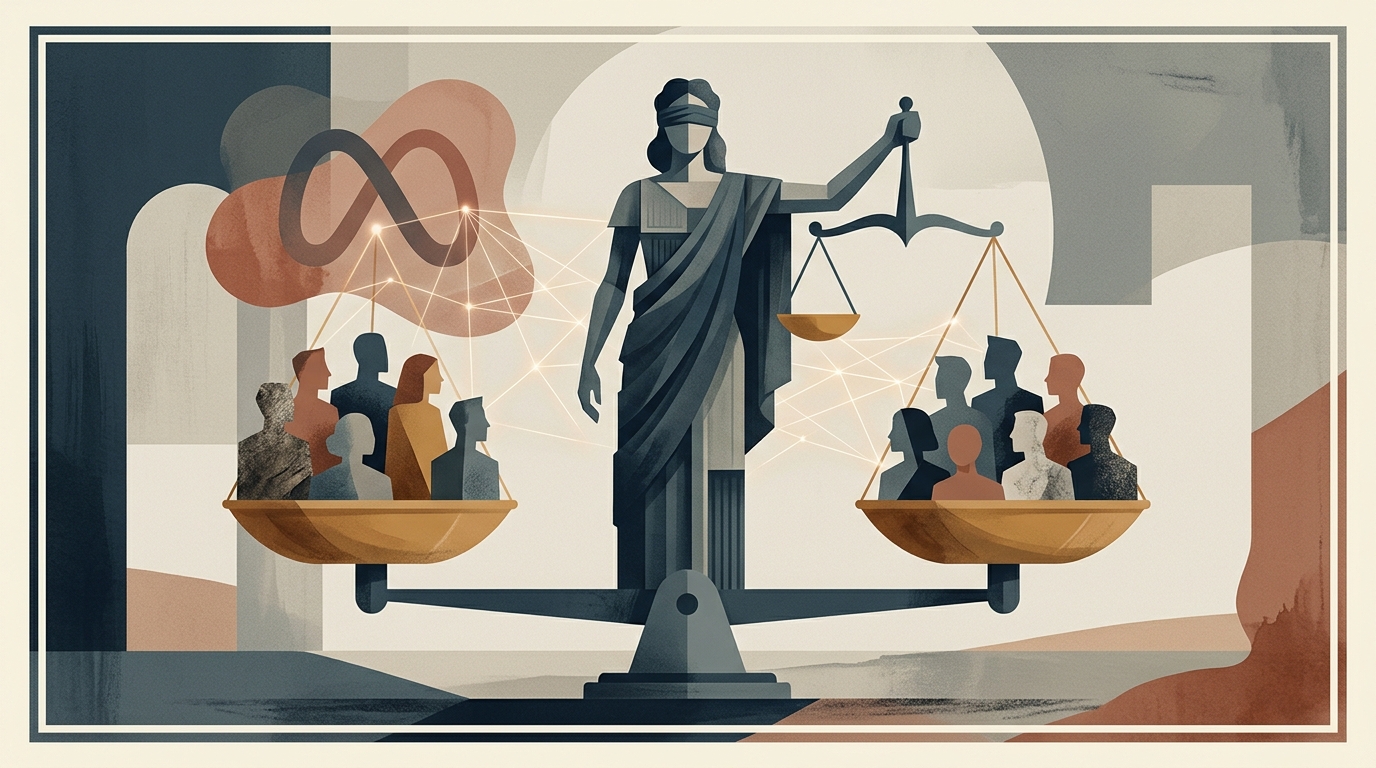
This distinction is of paramount importance. If a company's software de facto performs the function of screening candidates, then the company that created it bears responsibility for whether that screening violates anti-discrimination laws. This decision dismantles the "fortress" of technical neutrality and holds algorithm creators accountable for the outcomes of their systems.
The Mobley Case: A Human Face Behind the Data
The lawsuit was filed by Derek Mobley, an African American man over 40 who suffers from anxiety and depression. Mobley claims he was rejected from more than 100 job positions for which he was qualified, at companies that utilized Workday's tools. His complaint alleges that Workday's algorithms exhibit "systemic bias" against Black applicants, older individuals, and people with disabilities.
The problem, according to Mobley's legal representatives, is not just intent, but impact. "Data bias" occurs when machine learning models are trained on historical data that already contains human prejudices. If a company's historical hiring favored a specific demographic, the AI will "learn" that these characteristics are indicators of success, automatically excluding qualified candidates from minority groups.
The 'Black Box' of Recruitment and the Need for Transparency
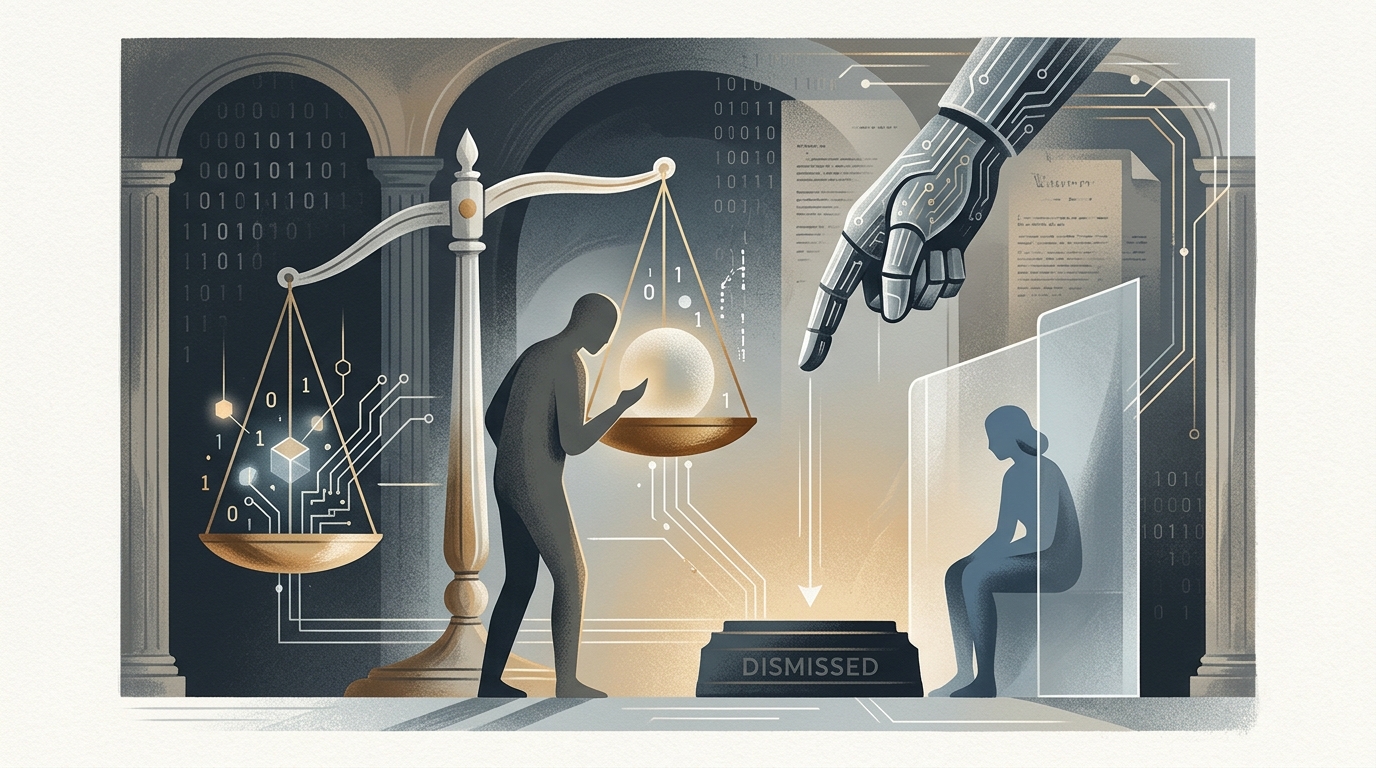
The use of AI in recruitment has created a "black box" for job seekers. Often, candidates are unaware they have been rejected by an algorithm, nor do they have the ability to challenge the decision. Workday, for its part, defends its tools, stating they are designed to help employers find the best candidates efficiently.
However, efficiency cannot come at the expense of equality. This case highlights the need for "algorithmic accountability." Already, the European Union's AI Act has classified AI systems used in employment as "high-risk," requiring strict audits and transparency. The California ruling suggests that the United States is also moving in this direction through judicial precedent.
Implications for Silicon Valley
The consequences of this trial will be immense. If Workday is ultimately found liable, the entire HR-Tech industry will be forced to overhaul its models. Companies will need to conduct regular bias audits and be able to explain their algorithms' decisions. Furthermore, insurance companies providing professional liability coverage will likely see premiums skyrocket as the risk of lawsuits for "algorithmic discrimination" becomes tangible.
In a world where technology permeates every aspect of our lives, the justice system is called upon to ensure that programming codes do not become the new walls of social exclusion. The Workday case is just the beginning of a long battle for digital human rights in the 21st century.