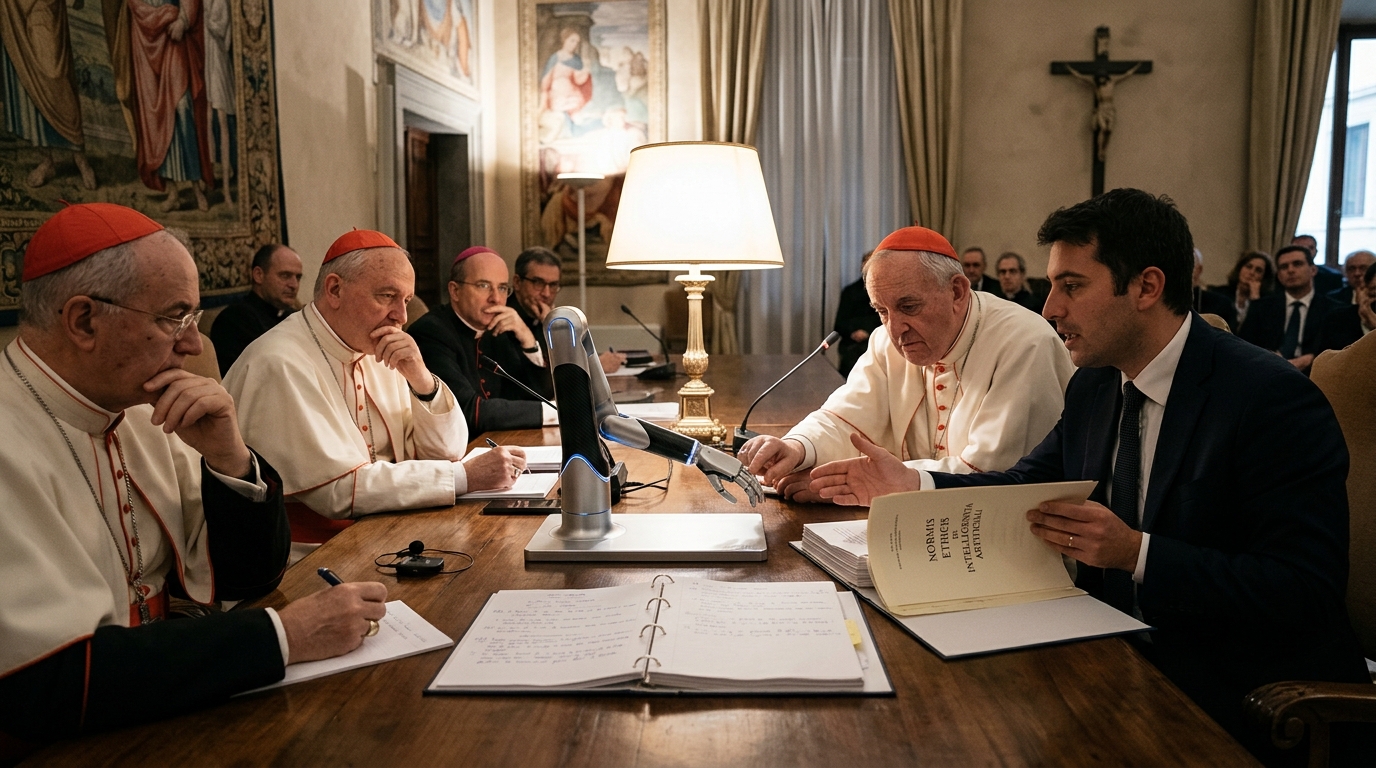
In an era where technological evolution often outpaces our ethical adaptation, the Vatican has decided to set its own boundaries. The announcement that the Holy See will issue official guidelines for the responsible use of Artificial Intelligence (AI) across all its offices and departments is not merely an administrative decision, but a profound political and theological intervention in the global dialogue about the future of humanity.
This move follows Pope Francis's long-standing engagement with technology, which he has described as a "gift from God," while simultaneously warning against the dangers of dehumanization. Through the Dicastery for Culture and Education, the Vatican aims to ensure that the use of algorithms within the Roman Curia's operations is governed by the principles of transparency, inclusion, and the protection of human dignity.
The Concept of "Algor-ethics"
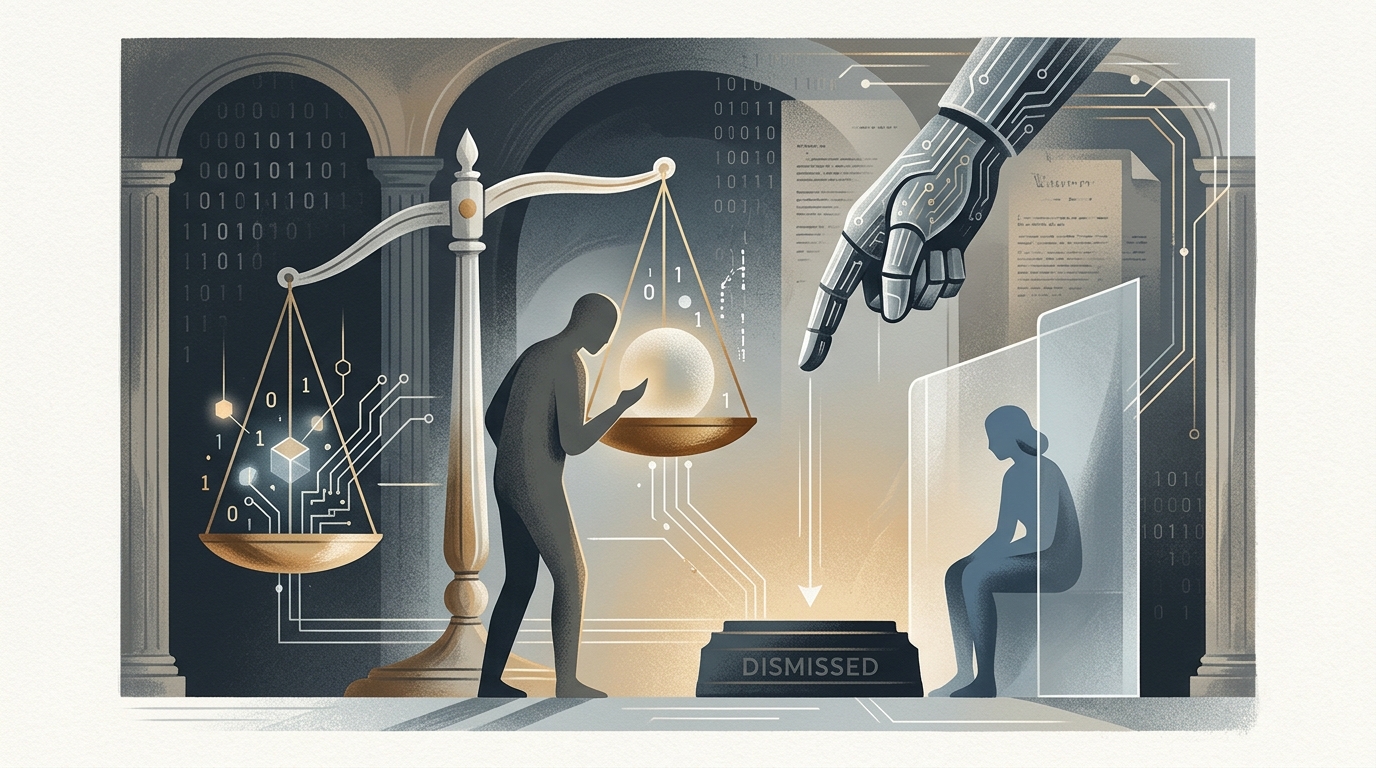
Central to the Vatican's new strategy is the term "algor-ethics," a concept vigorously promoted by the Pontifical Academy for Life. This is not just a neologism, but a framework requiring AI creators and users to embed ethical parameters into the very code of the programs. The Vatican argues that algorithms are not neutral; they carry the biases of their creators and, if left unchecked, can exacerbate social inequalities.
According to sources close to the Holy See, the new guidelines will focus on four pillars: accountability, impartiality, privacy, and reliability. For instance, in using AI to manage the Vatican's vast archives or its communication strategy, tools that could lead to misinformation or the manipulation of public opinion will be prohibited. The Church seeks to serve as an example of how a global organization can adopt innovation without sacrificing its moral foundations.
From the "Rome Call" to Practice
This initiative did not emerge in a vacuum. In 2020, the Vatican spearheaded the "Rome Call for AI Ethics," signed by giants like Microsoft and IBM. However, the current decision to apply these rules "within the walls" indicates a shift toward practical implementation. It is no longer enough to preach ethics to others; one must apply them to their own bureaucratic structures.
- Ensuring that AI does not replace human judgment in spiritual and administrative matters.
- Protecting the personal data of the faithful and employees from algorithmic exploitation.
- Developing internal oversight mechanisms to evaluate AI tools before their adoption.
The challenge is immense. The Vatican manages centuries of sensitive data, and its digitization through AI offers unique research opportunities but also significant security risks. The Holy See seems to realize that AI is a "double challenge": a technical challenge for efficiency and an existential challenge for its mission.
The Global Significance of the Initiative
Why do the rules of a tiny state matter to the rest of the world? The answer lies in the Catholic Church's moral influence over 1.3 billion believers and its diplomatic clout. When the Vatican sets rules, it compels other religious and political organizations to take a stand. At a time when the European Union and the US are attempting to legislate AI, the Pope's voice adds a dimension often missing from parliaments: the spiritual dimension.
Furthermore, this move sends a message to Silicon Valley tech companies. The message is that progress cannot be an end in itself. Technology must serve humanity, not the other way around. As the forthcoming document states, "intelligence may be artificial, but its consequences are entirely human." The Holy See calls for a global consensus where innovation goes hand in hand with social justice and peace.
Conclusion: A New Ethical Compass
As we approach the latter half of 2026, the Vatican's initiative will be closely watched by tech analysts and ethicists worldwide. Its success will be judged by whether these rules remain a "dead letter" or if they manage to influence how religious organizations—and beyond—interact with machines. What is certain is that the Vatican does not fear the future; it seeks to shape it with the tools of faith and reason, reminding us that at the heart of every algorithm, a human heart must beat.