The history of human labor is a continuous sequence of transformations, from the agricultural revolution to the industrial age and into the information era. However, what we are witnessing today with the advent of Generative AI and algorithmic management is not just another technological upgrade. It is the beginning of a "new condition" in labor that threatens to overturn the social contract painstakingly built during the 20th century.
The Invisible Leadership of Algorithmic Management
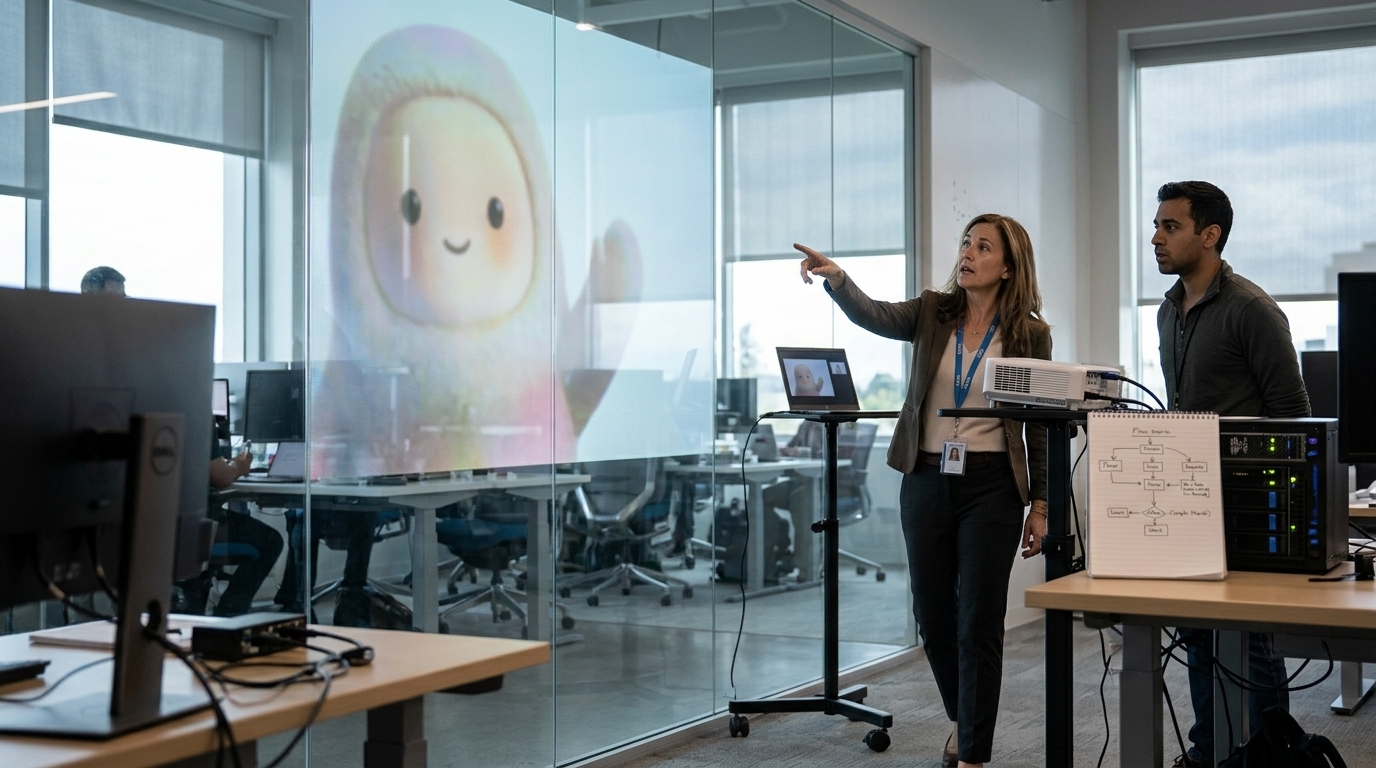
One of the primary risks highlighted by the analysis of "Oikonomikos Tachydromos" is the gradual replacement of human management by algorithms. Labor is no longer evaluated by a supervisor who understands context and human frailty, but by mathematical models aimed at absolute optimization. This "algorithmic management" creates an environment where workers feel constantly monitored and deprived of autonomy.
In the gig economy platforms, this is already a reality. However, the trend is now shifting to traditional enterprises. Using AI to monitor productivity in real-time—from mouse movement analysis to emotional analysis of emails—creates a new form of "digital panopticon." The danger here is the total dehumanization of the workplace, where humans are treated as mere variables in a profitability equation.
The Erosion of Professional Identity
For decades, one's profession was the core of their social identity. The emerging new condition tends to transform work from a "vocation" or "career" into a series of disconnected tasks. AI can perform segments of complex jobs, leading to the fragmentation of roles. An architect, a lawyer, or a journalist may find themselves performing only the "manual" tasks that AI cannot yet handle, losing oversight of the overall project.
- Loss of motivation due to a lack of creative fulfillment.
- Wage stagnation as "specialized knowledge" becomes a commodity through LLMs.
- Increased job insecurity as skills become obsolete at a rapid pace.
This evolution affects not only low-income earners but also the middle class, which has traditionally been the backbone of economic stability. The "new condition" implies work without bonds, without prospects for advancement, and without the protection of collective bargaining agreements.
The Ethical Dimension and the Need for Regulation
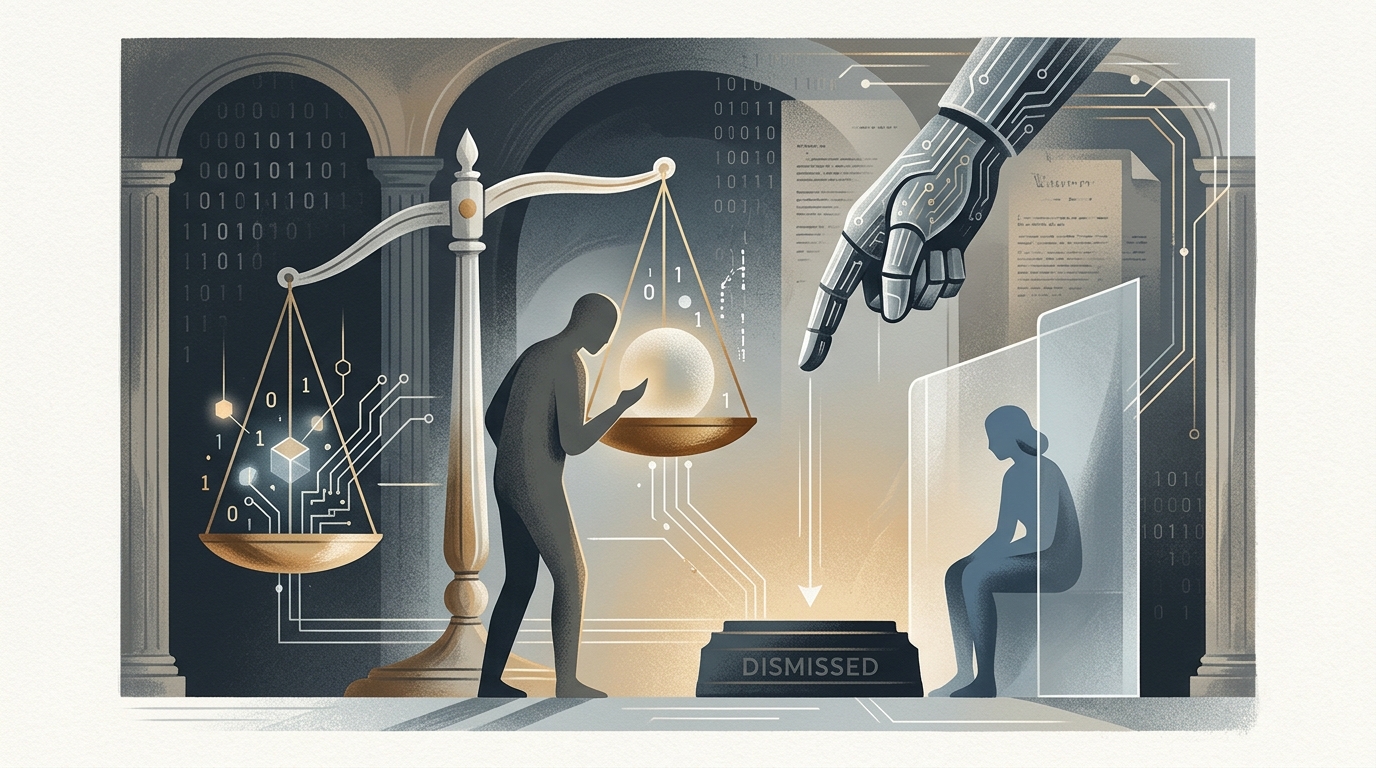
The question arises: is society ready to accept these terms? The ethical dimension of AI use in labor is not just about unemployment, but about justice. If an algorithm decides on a dismissal or a promotion, how can the worker defend themselves? The lack of transparency ("black box") in AI systems makes accountability impossible.
"Technology must serve humanity, not the other way around. If the new condition in labor means a return to 19th-century conditions with 21st-century tools, then we have failed as a civilization."
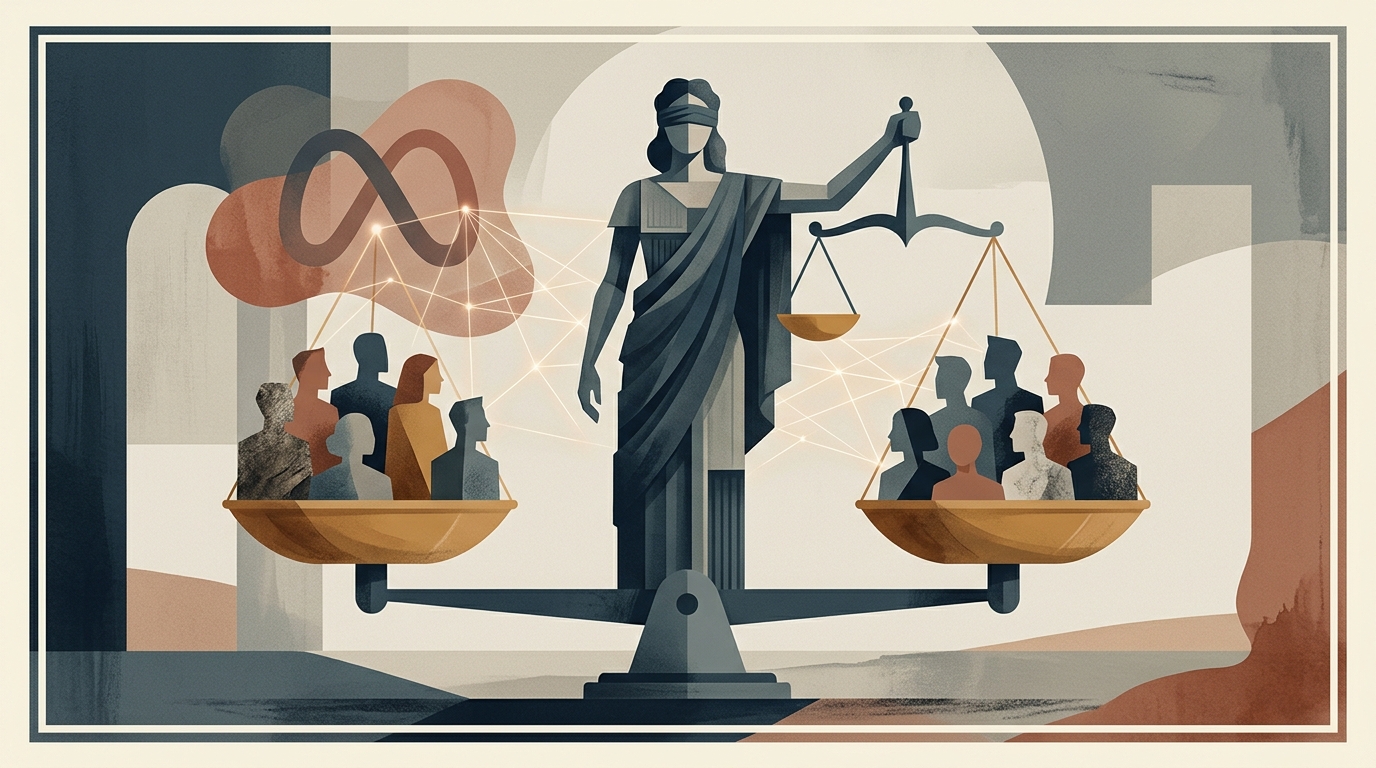
The European Union, through the AI Act, is attempting to set some boundaries by classifying AI systems used in labor as "high risk." However, legislation often lags behind technological reality. A new approach is required—one that strengthens collective bargaining and ensures that the benefits of productivity gains through AI are distributed fairly, rather than accumulating solely with technology owners.
Conclusion: Toward a New Social Contract
The risk of a new condition in labor is real, but not inevitable. Technology also offers the opportunity to rid ourselves of repetitive and arduous tasks. For this to happen, however, we must redefine the value of human contribution. Creativity, empathy, and critical thinking must become the new pillars of professional life. The transition requires political will, investment in reskilling, and, above all, the recognition that labor is more than just a cost on a corporate balance sheet; it is the vehicle for dignity and social integration.